
What teachers need to know about AI security
AI can pose risks - here are the key ones that teachers should understand in order to implement effective cybersecurity.

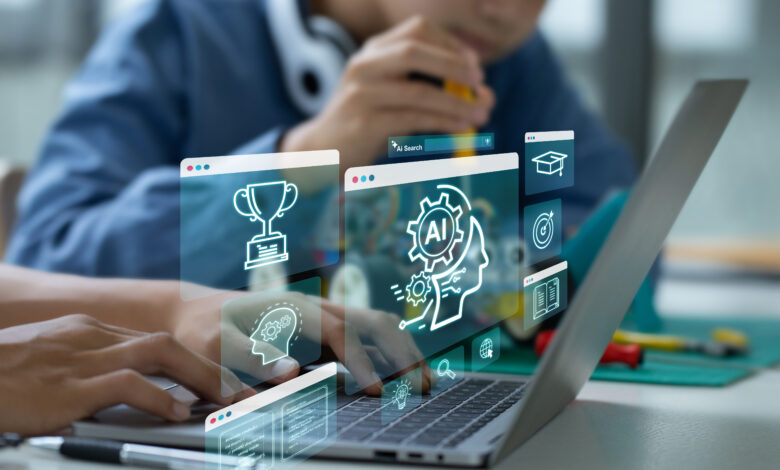
AI is here to stay. It can be daunting for teachers to navigate its secure use in the classroom.
However, protecting student information is crucial. Both students and teachers should be educated about AI security and follow actionable steps to implement this technology safely in the classroom. Below are some cybersecurity risks to be aware of and tips for safely using AI in educational settings.
Read the latest print edition of School News online HERE.
AI security risks teachers should know
AI can pose risks in the classroom. Here are the key risks that teachers should understand to effectively practice rigorous cybersecurity in the classroom.
Privacy
Privacy is a significant concern with AI in education because students’ personal information is highly valuable and sensitive. Traditional scammers utilise AI to extract information from people. In schools, AI can access their names, addresses and other confidential data if allowed to run rampant in the system.
Related School News article: Five considerations before implementing AI in the classroom
Misinformation
AI is prone to misinformation due to its inherent flaws and the difficulty in accurately representing its sources. Hackers can infiltrate AI training models and create prompts to skew information, forcing it to report inaccuracies. Students who rely on AI then think that misinformation is factual.
Reliance
People become overreliant on AI when they believe it can perform tasks accurately. When attackers enter systems and halt AI usage, students are left scrambling because they lack the skills to perform tasks without AI’s assistance. On average, cybercriminals spend 208 days in a network before they’re discovered, so even if everything appears to be secure, it’s essential to practice proactive cybersecurity. One way to do this is by avoiding overreliance on vulnerable systems.
Complexity
AI’s inability to grasp complex human thought is a significant security concern. While AI can mimic conversation, it lacks a genuine understanding of emotions, making it a target for manipulation. For instance, a student might seek emotional support from an AI chatbot. Hackers can compromise the system or manipulate its programming to deliver harmful advice or trick
students into revealing personal information. This turns a seemingly helpful tool into a potential vector for social engineering and data theft.
Tips for teachers to securely use AI
While the above risks of using AI in the classroom seem alarming, there are ways teachers can limit the negative impacts and positively utilise AI.
Avoid using sensitive information
Avoid using students’ real names when typing a prompt. Instead, say “Student 1” or “Student A.” Only include sensitive information when necessary — some AI applications allow the deletion of student records after use, so pick ones with this feature to keep data safe. Additionally, ensure the application complies with any existing guidelines on AI that the school has established.
Take training courses
If the school offers AI training courses, teachers should take them. If the district does not require training, look for it elsewhere. Remaining informed about AI helps teachers use it safely. Teachers can also advocate for AI training in their school if it is becoming a regular classroom tool.
Related School News article: Generative AI tools used frequently by interested primary teachers in NZ.
Communicate with staff, students and families
Talk to fellow educators about how they use AI in their classrooms. Send letters home so families know when their children use AI. Discuss with students when AI is permitted and when it is not. Consistent and clear communication helps everyone feel informed and empowered to use AI safely and effectively.
Test AI tools frequently
AI is not flawless, so it should be regularly tested, and all of the information it provides should be fact-checked. Teachers are still the experts, so they should monitor it with that mindset. Look for any noticeable biases or ethical issues in its responses, and use only AI applications that are specifically designed for school settings.
Create classroom AI policies when students use AI
Teachers should establish policies that provide a structure for its application. Only allow preapproved applications and models, as there are numerous AI tools available that are dangerous and unsuitable for schools.
Related School News article: New Zealand teachers use AI more than most OECD countries – SchoolNews – New Zealand
Using AI safely in the classroom
Since AI is becoming more prevalent in today’s world, learning about the cybersecurity risks and ways to combat them helps teachers utilise its benefits in the classroom while remaining vigilant. Teachers should protect student data and emotional well-being, especially when implementing AI tools in the classroom.
Article by Zachary Amos.