A natural opportunity: Cross-curricular links at zoos and wildlife parks
Zoos and wildlife parks hold so many opportunities across the curriculum and plenty of inspiration for further classroom learning

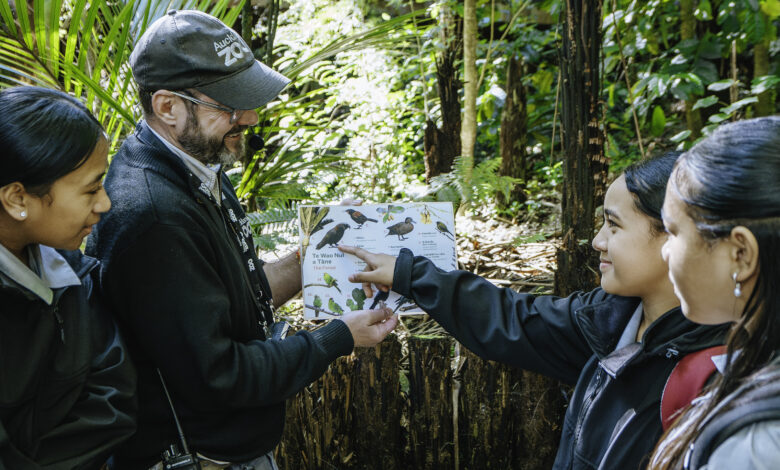
A school trip to the zoo or a wildlife park forms fond childhood memories for many. For some, it offers a first brush with our planet’s incredible biodiversity.
Beyond a fun day outside the classroom for ākonga, though, a thoughtfully planned trip to a zoo or wildlife parks offers a variety of ways to inspire and motivate students and teachers alike.
Read the latest print edition of School News online HERE
Choosing the right experience
Planning a meaningful excursion that will provide quality learning opportunities begins with choosing a quality experience.
It’s important to lead by example when encouraging the kaitiaki of the future, so ensure that any zoo or wildlife park you choose is ethical in its mission and contributes to conservation.
Some schools choose to visit zoos which are not-for-profit organisations, or ones that contribute to conservation programmes by working with national conservation organisations, which usually have strict vetting procedures.
Checking a wildlife park’s accreditations can be another way to ensure robust ethics; zoos that belong to regional or global zoo bodies must adhere to welfare standards.
Students can even be included in this process, helping them to understand the importance of conservation and mitigation of human impacts on ecosystems, and that zoos and wildlife parks provide much more than a place for humans to look at animals.
Once the zoo has been chosen, there are many ways to ensure learners get the most out of the experience.
A natural world of opportunity
When it comes to curriculum opportunities, it’s hard to ignore the natural real-world applications of science at a wildlife park or zoo. Whether students are watching animals feed, observing how they move or identifying their habitats, students can learn practical lessons about everything from requirements for life to inheritance of traits and evolution.
Less obvious but equally well-grounded opportunities include learning about material properties through observing how enclosures and elements are constructed, and even forces and motion—watching monkeys play or birds dropping seeds while feeding are great examples.
There is also a world of potential curriculum links beyond science. For practical maths learning, young students have opportunities to count and group animals, while older students can estimate areas of enclosures and suggest ways to collect data on animals.
Related School News story: The growing importance of museums for education
Literacy opportunities include encouraging young learners to form and ask questions to staff, and discuss non-fiction text on information boards in a practical setting. A zoo visit is a great descriptive writing opportunity for learners of all ages; students can be encouraged to develop a rich vocabulary to describe how animals look and move.
Health and physical education curricula can also connect to zoo and wildlife park visits. The gentle exercise that walking around these spaces offers can help remind students that movement doesn’t need to be strenuous to have health benefits.
Beyond the ordinary
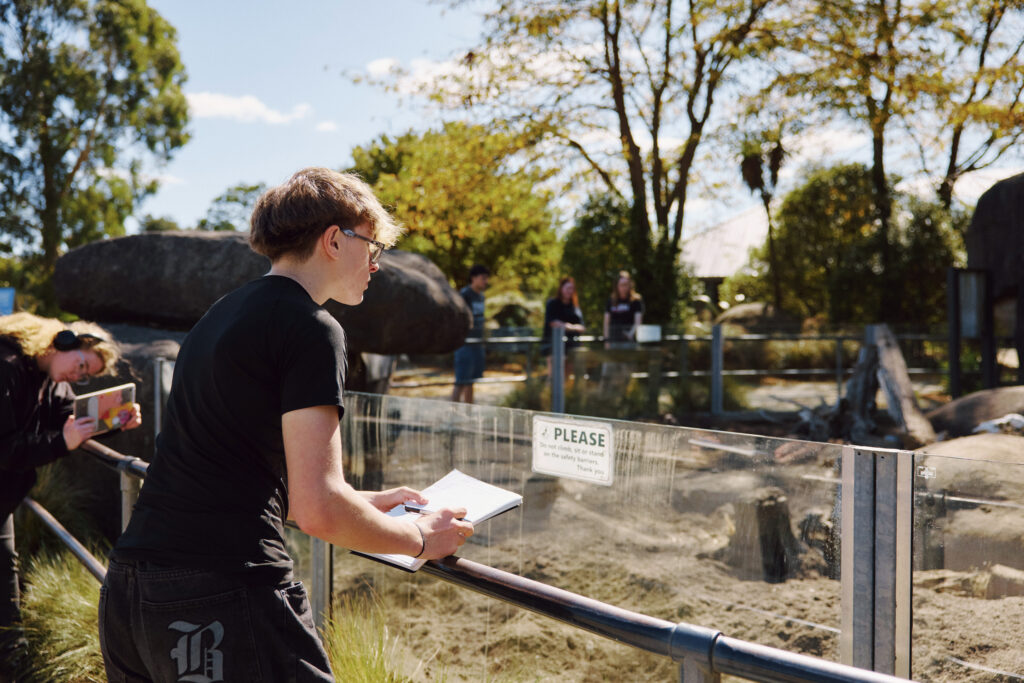
Before and after the trip, teachers can utilise a zoo or wildlife park visit as an anchor and scenario for a broad range of learning, from word problems in maths to art projects inspired by animals.
Whatever subjects a zoo or wildlife park trip might be covering, ensure time is left for student enquiry—ākonga of different ages are likely to engage with exhibits on different physical and conceptual levels, and often make observations that give staff and support adults pause for thought!
With so many opportunities across the curriculum and plenty of inspiration for further classroom learning, a trip to a zoo or wildlife park can easily become a highlight of the school year.
School News spoke to some zoos and wildlife parks to see what they can offer schools.
Orana Wildlife Park is New Zealand’s only open‑range zoo, offering schools a truly unique opportunity to take learning beyond the classroom. Set within a spacious, natural environment just outside Christchurch, Orana is more than a zoo—it’s an inspiring outdoor classroom where curiosity, connection, and conservation come together.
Orana’s formal education programmes are designed for Years 1 to 13 and are delivered by the experienced education team. Each session is thoughtfully mapped to the New Zealand Curriculum and can be tailored to complement your current classroom units. The Orana team work collaboratively with teachers to ensure your visit is meaningful, relevant, and supports learning outcomes.
At Orana, students engage in authentic, hands-on learning experiences that can’t be replicated indoors. From hand-feeding a giraffe to observing New Zealand’s only gorillas or discovering the playful intelligence of kea, encounters with wildlife create lasting memories and deepen understanding. Students are encouraged to observe, question, and reflect as they explore a wide range of species in open and diverse habitats.
A school visit to Orana Wildlife Park is more than a day out—it’s an opportunity to inspire confident, caring kaitiaki of the future. Book your Zoo School session today and turn curriculum learning into an unforgettable adventure.
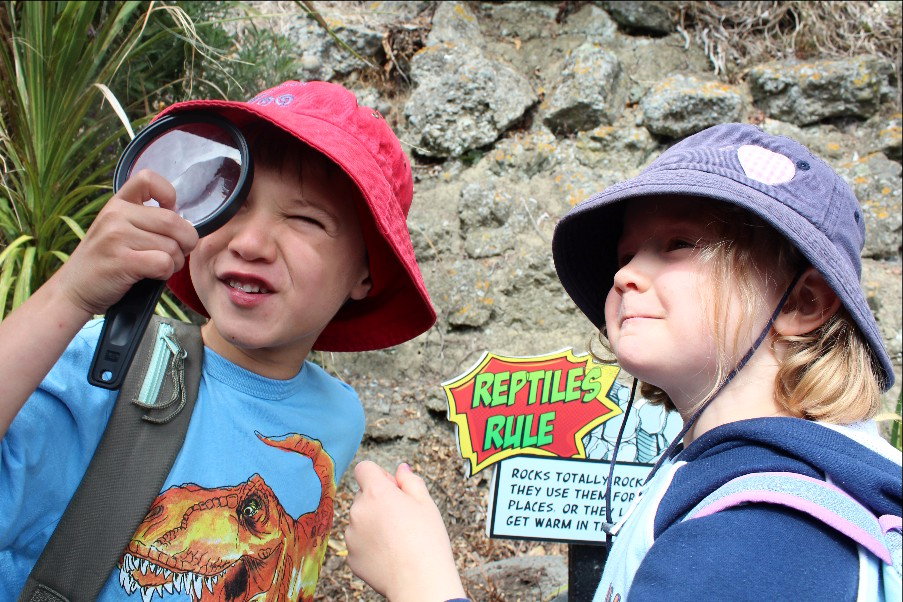
Te Nukuao Wellington Zoo takes learning out of the classroom and straight into the wonderful world of wildlife.
Learning Workshops at Te Nukuao Wellington Zoo let ākonga enjoy real-life learning by getting close to native taonga and animals from around the world.
Learning Workshops are run by expert Zoo Educators at every learning age and stage. Sessions revolve around the Zoo’s kaupapa—Me tiaki, kia ora! We must look after our environment, so all things will flourish—and create ‘ka rawe’ moments, literally bringing learning to life by experiencing wildlife up close.
Workshops are student-focused and hands-on, to connect learning to nature as te taiao is explored together. Students will connect with animals and deepen their understanding of their lives, what makes them special, and how they can help them.
During your visit, students will learn how Te Nukuao Wellington Zoo cares for animals large and small through the Five Domains of Animal Welfare, and why the Zoo is an essential conservation organisation. Ideas about science and mātauranga Māori through pūrākau will also be explored, and weaving together different ways of knowing and understanding te taiao. The whole Zoo is used as an authentic interactive learning space where ākonga can explore, be curious, and learn how their actions can help protect the environment.
Te Nukuao is a Ministry of Education-funded EOTC provider, which means they can offer learning products to schools at discounted rates. Workshops cover a range of topics, from Caring for Animals, Animal Adaptations, and Animals of Aotearoa, to specialised Year 13 Biology topics tailored to align with NCEA standards.
Zoo Educator-led learning workshops, online learning, and self-guided visits are available for ECE and Years 1 to 13.
The Conservation Learning Team at Auckland Zoo is committed to bringing classroom learning to life through meaningful, hands-on experiences that spark curiosity and deepen understanding.
Experiential learning is at the heart of its approach, creating opportunities for students to engage with concepts in a different way to what you could achieve in a classroom setting.
Whether it’s observing animal behaviour up close, exploring artefacts, creating enrichment items for animals, or learning directly from zoo experts, students connect theory to real-world application in a memorable and inspiring environment.
The Zoo team can tailor educational sessions to reflect classroom learning and offer experiences to provide authentic examples and practical insights that complement classroom topics.
Students are encouraged to think like conservationists, scientists, and animal care professionals, trying their hand at real-life skills used both at the Zoo and by the Zoo’s specialist staff in their conservation mahi throughout Aotearoa and beyond.
Beyond knowledge, it aims to foster a deeper connection to nature, by immersing students in the sights, sounds, and spaces of the Zoo, to build a sense of belonging and responsibility for te taiao/the natural world. Importantly, learning at the Zoo is all about enjoyment—creating positive, engaging experiences that ignite a lifelong interest in learning.
Looking ahead, Auckland Zoo is enhancing its education offering, with a greater emphasis on hands-on “learning by doing” opportunities from 2027 onwards.