Embedding wellbeing across the school community
Schools are supporting wellbeing with a range of approaches including digital programmes, mindfulness education, and classroom design

Supporting student wellbeing has become a central focus for schools across Aotearoa New Zealand as educators respond to the increasingly complex social, emotional and mental health needs of young people.
Schools are adopting a wide range of approaches, from digital wellbeing programmes and peer mediation initiatives to mindfulness education, digital tools, and classroom design. Together, these initiatives reflect a broader shift towards embedding wellbeing into everyday school life through prevention, connection and early intervention, rather than treating it as a nice-to-have extra.
Read the latest print edition of School News online HERE
Many schools are also embracing holistic models of wellbeing, including Te Whare Tapa Whā, which recognises hauora as encompassing physical, mental and emotional, spiritual and whānau wellbeing. These approaches acknowledge that a young person’s wellbeing is shaped not only by what happens in the classroom, but also by their relationships, identity, culture, and wider community.
While most children in Aotearoa New Zealand are doing well, there is growing recognition that many young people need additional support. Ministry of Health data shows around eight percent of children aged three to 14 experience significant social, emotional or behavioural difficulties, while the 2021/22 New Zealand Health Survey found that almost one in four people aged 15 to 24 reported high or very high levels of psychological distress.
Some groups continue to experience poorer wellbeing outcomes than others. Research has found declining emotional wellbeing among many rangatahi Māori, while LGBTQIA+ young people often experience higher levels of psychological distress.
Beyond supporting mental health, schools increasingly recognise that wellbeing underpins learning, attendance, and behaviour. Students who feel safe, connected and supported are more likely to engage in learning, participate in school life and reach their potential.
For many students, school is where changes in wellbeing are first noticed. Teachers, support staff and school leaders are often the first to recognise when a young person is struggling, making schools an important setting for both prevention and early intervention.
Attendance data reinforces this connection, with Ministry of Education research finding that students with poorer attendance are more likely to experience schoolwork-related anxiety, feel less connected to their school community and report higher rates of bullying.
Creating that sense of belonging remains one of the strongest protective factors for student wellbeing. New Zealand continues to record one of the highest rates of school bullying among OECD countries, yet research consistently shows that students who feel connected to their school, teachers and peers are more likely to attend regularly, engage in learning and experience positive wellbeing.
Schools where teachers actively promote wellbeing and foster positive relationships also tend to report stronger outcomes for students.
Supporting the whole school community
Supporting students also means supporting the people who work with them every day. As schools respond to increasing workloads, workforce pressures and growing student support needs, educator wellbeing has become an increasingly important part of the conversation.
While schools are investing in programmes to strengthen student resilience, many are also recognising the importance of supporting teachers with their own wellbeing resources, professional development and workplace initiatives that help reduce stress and prevent burnout.
Research consistently shows that when educators feel supported, students benefit through stronger relationships, more engaging classrooms and greater continuity of care.
Rather than relying on a single programme, many schools are embedding wellbeing into every aspect of school life. Student voice, partnerships with whānau, positive behaviour frameworks, restorative practices and wellbeing-informed leadership are becoming increasingly common as schools work to create environments where wellbeing is everyone’s responsibility, not just that of counsellors or pastoral care teams.
Digital tools are becoming a valuable addition to schools’ wellbeing toolkits. Interactive learning platforms, game-based programmes and online resources are helping students build emotional regulation, resilience, communication and problem-solving skills in engaging ways that complement classroom learning.
At the same time, schools recognise that technology is only one part of the picture. Face-to-face and hands-on programmes remain equally important, with mindfulness workshops and activities, outdoor learning and community-based support helping students build confidence, strengthen relationships and develop practical life skills.
Spaces that support wellbeing
Schools are also recognising the influence of the physical learning environment, with growing attention being given to classroom acoustics, thermal comfort and healthy indoor spaces that support concentration, whole-class participation and overall wellbeing.
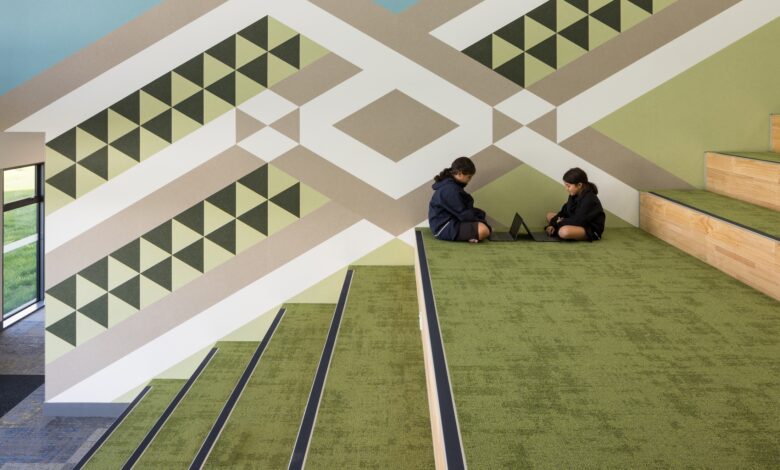
A well-insulated classroom enhances focus, comfort and air quality, creating an optimal learning environment. GreenStuf® sound insulation improves acoustic comfort, regulates temperature and supports sustainability—empowering students and teachers while reducing energy use and environmental impact.
Insulation has a direct correlation with the indoor air quality, thermal comfort and acoustics of spaces and Autex’s GreenStuf acoustic wall and ceiling range supports these minimum standards, or higher as required.
Studies show that poor acoustics can lead to a 20 percent drop in comprehension compared with a classroom with optimal acoustics. GreenStuf’s Sound Solution Classic® and Sound Solution® Plus, are designed to reduce airborne sound, impact noise, and noise transmission to make it easier for students to listen and comprehend—while children’s listening skills are developing, a quiet environment means they are less likely to miss words and sounds. Well insulated classrooms can help to keep all students engaged, and foster a space for positive wellbeing.
New Zealand experiences a wide range of weather conditions, and GreenStuf insulation is an excellent thermal performer, keeping spaces cooler in summer and reducing heat loss in winter to maintain comfortable temperatures year-round.
GreenStuf insulation also helps to control moisture levels, reducing dampness and mould to create healthier, cleaner air, minimising respiratory health risks for students and staff, and helping to minimise absences due to illness.
In keeping with New Zealand’s drive toward sustainability, GreenStuf’s entire polyester range is crafted from 100 percent polyester fibre sourced from PET plastic.
Related School News story: Arts, culture and recreation positive for rangatahi wellbeing
A classroom essential
Ultimately, wellbeing is no longer viewed as an optional extra. It has become a fundamental part of school life, influencing everything from teaching practice and leadership to classroom design.
While approaches may differ from one school to another, the goal is the same: creating places where every young person feels safe, supported and ready to learn.
A sample of wellbeing initiatives available to schools
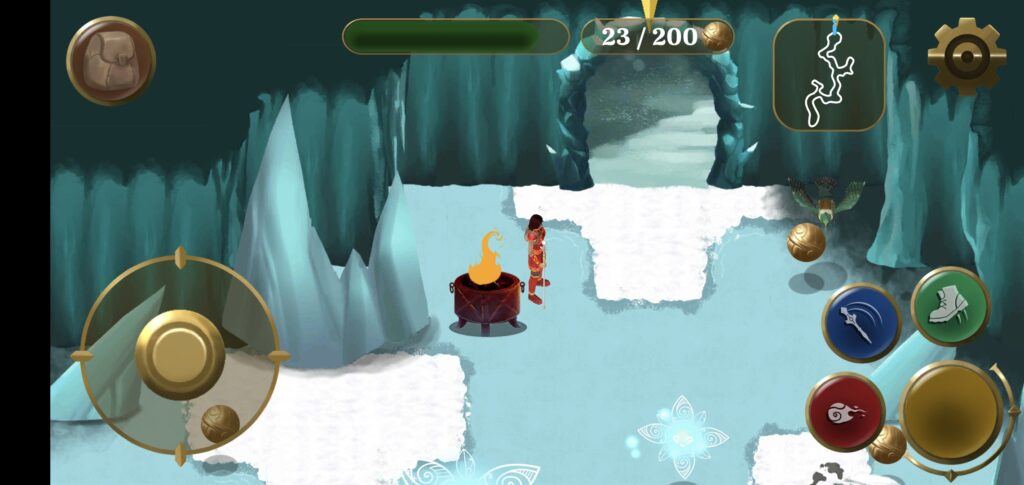
SPARX is a free, evidence-based online wellbeing programme developed in New Zealand by the University of Auckland, alongside young people to reflect their needs and experiences. Funded by Health NZ and backed by strong clinical research, SPARX has supported rangatahi across Aotearoa for over a decade.
Presented in an engaging, game-like format, SPARX helps young people build practical skills to manage stress, challenge unhelpful thinking, build confidence, communicate effectively, and solve problems. Across seven self-paced levels, students work through different areas including recognising emotions, managing strong feelings, problem-solving, communication, and developing healthy coping strategies they can apply at school, at home, and in everyday life.
SPARX can be accessed on mobile phones, tablets, and laptops or PCs, making it easy to use alongside school commitments. Teachers, counsellors, and wellbeing staff play an important role in introducing SPARX and helping normalise conversations around mental health and help-seeking.
The SPARX website also includes free resources for teachers and schools, including posters and wellbeing promotion materials. Schools can request free promotional items such as posters, wristbands, and pens to help raise awareness and encourage students to access support when they need it.
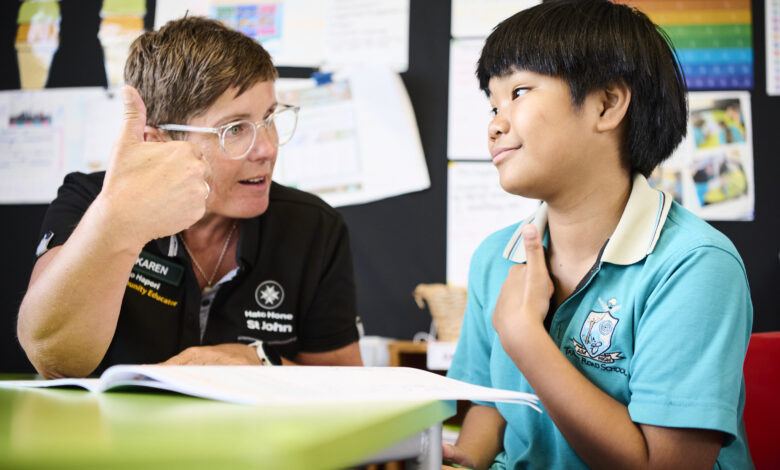
Weaving Wellbeing, delivered by Hato Hone St John, is an engaging, school-based mental health programme designed for Year 5 to 8 students.
Developed in partnership with Tātai Aho Rau Core Education, this curriculum-aligned programme brings practical wellbeing learning straight into your classroom. Delivered by experienced Hato Hone St John Community Educators, the programme runs over six 60-minute sessions across six weeks, fitting seamlessly within the school term and allowing time to build meaningful connections with students
Throughout the programme, tamariki are supported to better understand themselves by identifying their individual strengths and learning how to draw on these when facing challenges. Students build self-esteem, confidence, and resilience, while gaining practical skills they can use every day.
Simple breathing and mindfulness techniques are introduced to help students find calm, manage emotions and improve focus in the classroom and beyond.
Weaving Wellbeing also highlights the importance of community and encourages students to recognise the positive role they play in supporting one another. The result is not only stronger individual wellbeing, but a more connected and supportive classroom environment.
For more than 140 years, Hato Hone St John has been trusted by communities across Aotearoa New Zealand. Hato Hone St John teaches life-changing skills, making this programme the right choice for supporting tamariki.
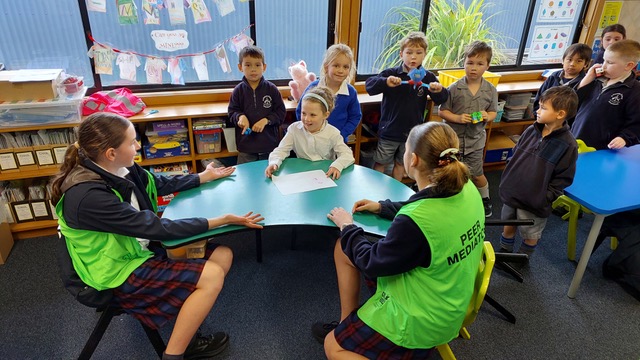
The Peace Foundation has been delivering innovative training in peer mediation and positive communication skills to kura throughout Aotearoa for 36 years. A registered charity, the Peace Foundation is the only national organisation which offers peer mediation programmes for primary, intermediate and secondary kura which are relevant and culturally responsive.
Effective implementation of the Peace Foundation’s programmes has a positive impact on the wellbeing of both ākonga and kaiako. Through either a one-on-one kōrero process or working with the support of peer mediators, young people are supported to resolve their minor conflicts. Both the one-on-one process and the mediation process are safe and empowering for the disputants, who often reach a solution that accommodates their needs.
Kaiako benefit when well trained, confident mediators are on duty.
If the primary (Cool Schools) and secondary (Leadership through Peer Mediation or Communication Skills for Leadership) programmes are embraced using a school-wide approach, then ‘minor’ conflicts are dealt with, preventing them from escalating into ‘major’ conflicts. This results in kaiako having less conflict situations to support. Long-term programme implementation can result in a more peaceful, safe, respectful school environment that the ākonga have been a part of creating. Everyone is empowered through the learning of conflict management skills that will serve them well throughout their lifetime.
Barnardos Aotearoa collaborates with schools to support the wellbeing of rangatahi, staff, and the wider school community in various ways. Barnardos’ What’s Up helpline plays a key role in providing tamariki and rangatahi with confidential, accessible support, allowing them to reach out for counselling support when they are facing challenges.
Barnardos works closely with schools to ensure that students are aware of this service and feel encouraged to use it.
Barnardos also collaborates with the Life Education Trust’s programme and OfficeMax to raise awareness of What’s Up within the school community. These partnerships help spread the message to students and staff, and wider whānau, ensuring that they have the information they need to access support when they need it.
By embedding these services and resources within schools, Barnardos aims to create a supportive, open environment where students feel safe seeking help. Schools can also refer students to Barnardos’ community and social services, providing full wraparound support that addresses mental health, wellbeing, and the wider challenges young people may face.

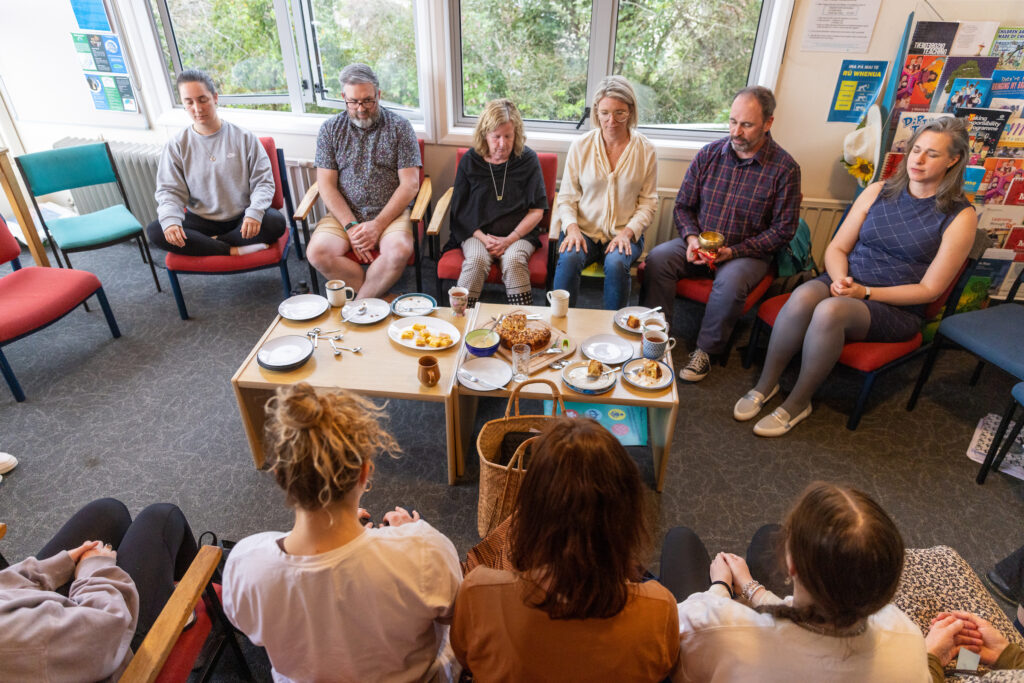
Pause Breathe Smile is a mindfulness-based wellbeing programme designed for New Zealand classrooms, giving tamariki aged five to 12 practical tools for managing emotions, building focus, and navigating everyday ups and downs. Drawing on mindfulness research and curriculum-aligned content, it has now trained over 10,000 kaiako and reaches 200,000 tamariki.
But Pause Breathe Smile’s focus isn’t only on students. Teaching has always asked a lot of the people who do it, and the toll is showing: a 2025 Australian study tracking teacher mental health from 2005 to 2022 found wellbeing held steady until 2011, then declined sharply, well before COVID-19 even arrived. While Pause Breathe Smile can’t fix workloads, it can offer something practical: support designed specifically for the people holding classrooms together.
The programme’s Personal Wellbeing section gives trained educators free access to short, research-backed videos on mindfulness and mental health, covering everything from self-compassion to managing distraction to using the breath to settle the nervous system. Guided by the programme’s founder, Grant Rix, it’s not a course or another task on the to-do list— it’s there when needed, on the educator’s own time, from a phone or laptop, included at no extra cost as part of Pause Breathe Smile training.