The growing importance of museums for education
Museums are more relevant than ever, providing context for today's society and historic human achievements

It might seem that museums are merely storerooms for forgotten objects enjoying their final years before they are packed up for good or disposed of.
Modern whare taonga or museums, though, are rich centres for learning and exploring, and are perhaps more relevant than ever for our young people.
Read the latest print edition of School News online HERE.
Museums remind us of achievements we have made, and how far people have come, not just in terms of development, but also in terms of social norms, cultural understanding, and the way we live.
Research indicates that visits to the museum are enhanced when there is a clear and relevant purpose, when students are taken to appropriate parts of the museum or exhibits relevant to the purpose of the visit, and when students are given some agency over their learning agenda.
Related School News article: Confidence, curiosity and connection: School camps and excursions
Schools, then, play an important role in helping ākonga make the most of a museum trip.
Beyond a deep dive of a classroom topic, museum visits offer many benefits for tamariki of all ages.
Helping students understand
In today’s unstable environment, some corners of the world are becoming more polarised. Race, class, environmentalism and gender are all hot button issues and can cause tension and debate.
However, whare taonga can provide perspective. Students can examine mistakes of the past to build a better future; they can see the results of past errors, and develop an understanding of how not to repeat these.
Museums can also help people rediscover forgotten or secret histories, which in turn can help young people feel validated in their own choices.
Related School News article: Fostering wellbeing: Practical strategies for supporting students and staff
The Queering Spires exhibition in Museum of Oxford exemplifies this. The exhibit brought Oxford’s LGBTQIA+ history out of the shadows, celebrating Oxford’s queer history as something to be proud of. The exhibition came at a time when an increase in hate crimes throughout England and Wales was being reported.
Through exhibitions like this, museums can help people and groups celebrate what makes them unique, and at the same time help rangatahi to feel like they belong to something bigger.
Bringing communities together
Not every museum visit needs to be to a big, city-centre location. Local museums can provide a sense of community and place, allowing students to learn about local history and people.
Local museums might include historic homes or heritage centres, where students can learn about what life was like for people, including children, from the area.
In turn, this can help them develop an appreciation for how life has changed, and the fortunate position we enjoy thanks to technological advancements and changing social norms.
Visiting a local museum can prove particularly useful for schools teaching te reo Māori me ōna tikanga, and can help ensure te tiriti remains integral to the NZ curriculum.
A site of protest
It might seem unlikely, but museums can act as a site of protest, standing firm in the face of adversity. The Ladies Lounge at Tasmania’s Museum of Old and New Art (MONA) in Australia provides an example.
Created by Kirsha Kaechele, the women only space at the gallery was designed as an oasis for women and women artists among the male-centric art and architecture of the museum. However, the space sparked a major legal battle over gender exclusion.
A male visitor’s complaint about sexual discrimination led to a tribunal ruling that the space was illegal. This, however was overturned by the Supreme Court of Tasmania. The Court said the exhibition was permitted to remain women-only to highlight historical inequality.
The incident provides a powerful example to young people of the importance of standing up for yourself, and working to fight injustice and inequality. It also demonstrates the power of museums as centres of strength and power, with the ability to challenge the status quo through art, artefacts and an understanding of history.
Contextualised learning and critical thinking
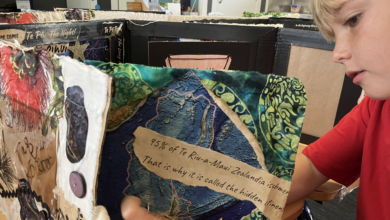
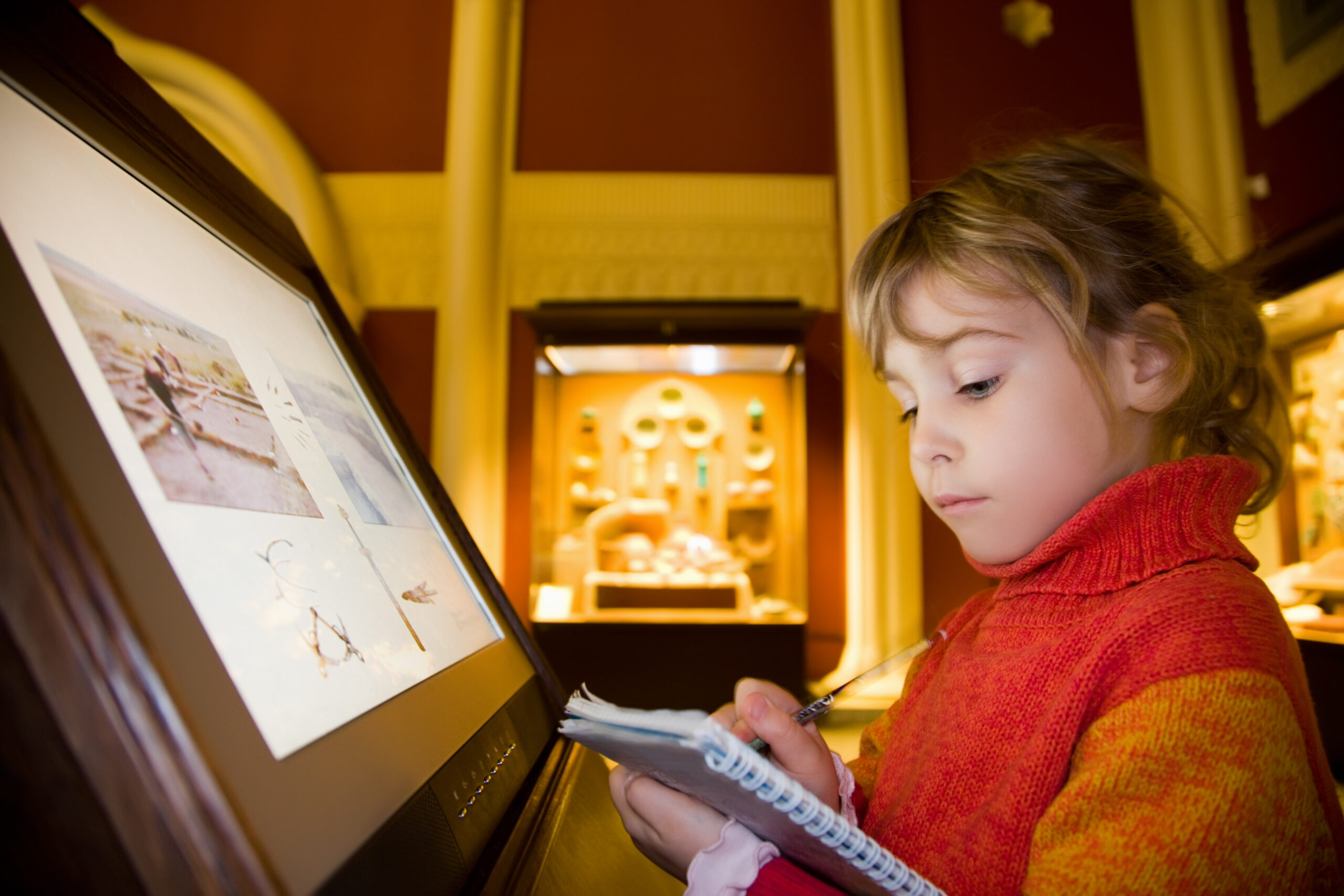
At a museum, students can see an object or work in its real-life context, or presented in a situation that mimics its authentic context, which provides deeper meaning.
For example, a lesson on hunting objects used by Indigenous people becomes more relevant when items are presented beside each other, rather than in isolation. Learning can be further enhanced with photographs and illustrations depicting the broader context of the hunters’ lives
Additionally, museums challenge students to ask questions and be curious. This can help them make connections between different objects or works in the museum, or deepen their understanding of concepts taught in the classroom.
This makes museums places for active learning; students need to observe and interpret, skills which can benefit them across the curriculum.
Visiting the museum also encourages students to learn collaboratively, asking questions of each other, debating each other’s views, and sharing their ideas.
This helps students develop their communication and argumentation skills. Collaboration can also push students outside their comfort zone and help them to interact with students outside of their usual peer group.
Hubs for exploring innovation, digitalisation and interaction
The rise in technology in the past two decades has challenged what it means to be a museum. More than rooms of artefacts and artworks where students might be left to passively observe, modern tech is transforming museums into spaces for engagement, interaction, and participation.
The Cleveland Museum of Art in America, for example, contains a variety of screen-based activities that rely on physical movement and interaction from the viewer to operate.
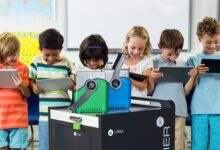
Using portable devices, guests can enjoy virtual collaging and painting, learning about various artists and mediums.
Digitisation has also made museums more accessible than ever. Students who might struggle to visit a museum in person can enjoy the growing collections museums and galleries have made available online.
Apps, virtual reality experiences, digital guides, videos and podcasts, and downloadable resources can all provide an enriching experience for students to enjoy at school.
The online world also provides greater opportunities for students to talk about their museum visit with other people, and continue their learning conversation.
Blogs and wikis provide spaces for sharing, and can connect students with students from other schools, or museum experts.
Ideas for your school’s next museum visit
Discover the rich learning opportunities at Kahukura Hawke’s Bay Museum, where history, art, science and storytelling come alive.
The curriculum-aligned programmes support EOTC learning across ECE, primary, intermediate and secondary levels, using the museum’s unique collections, exhibitions and local stories to deepen student engagement.
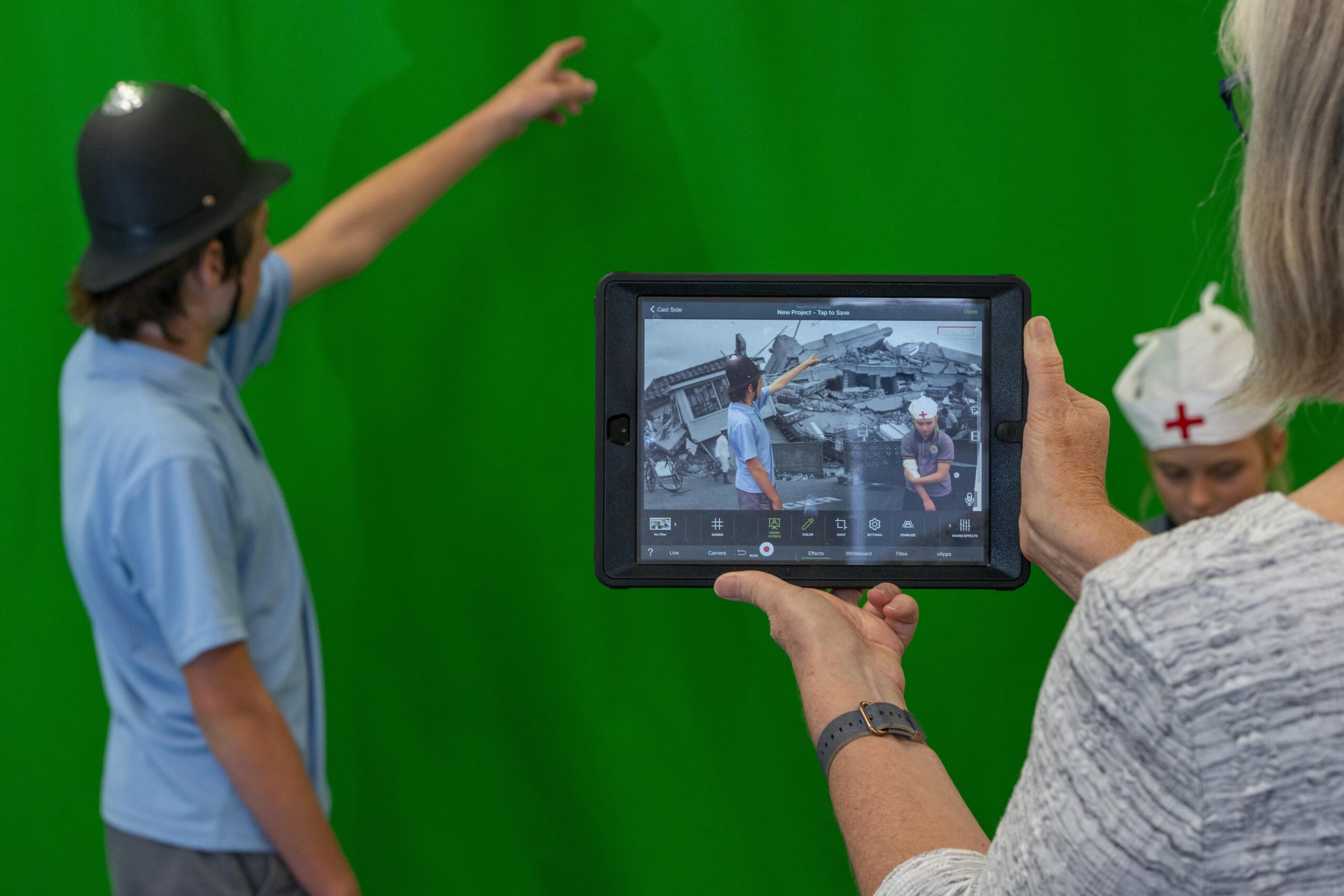
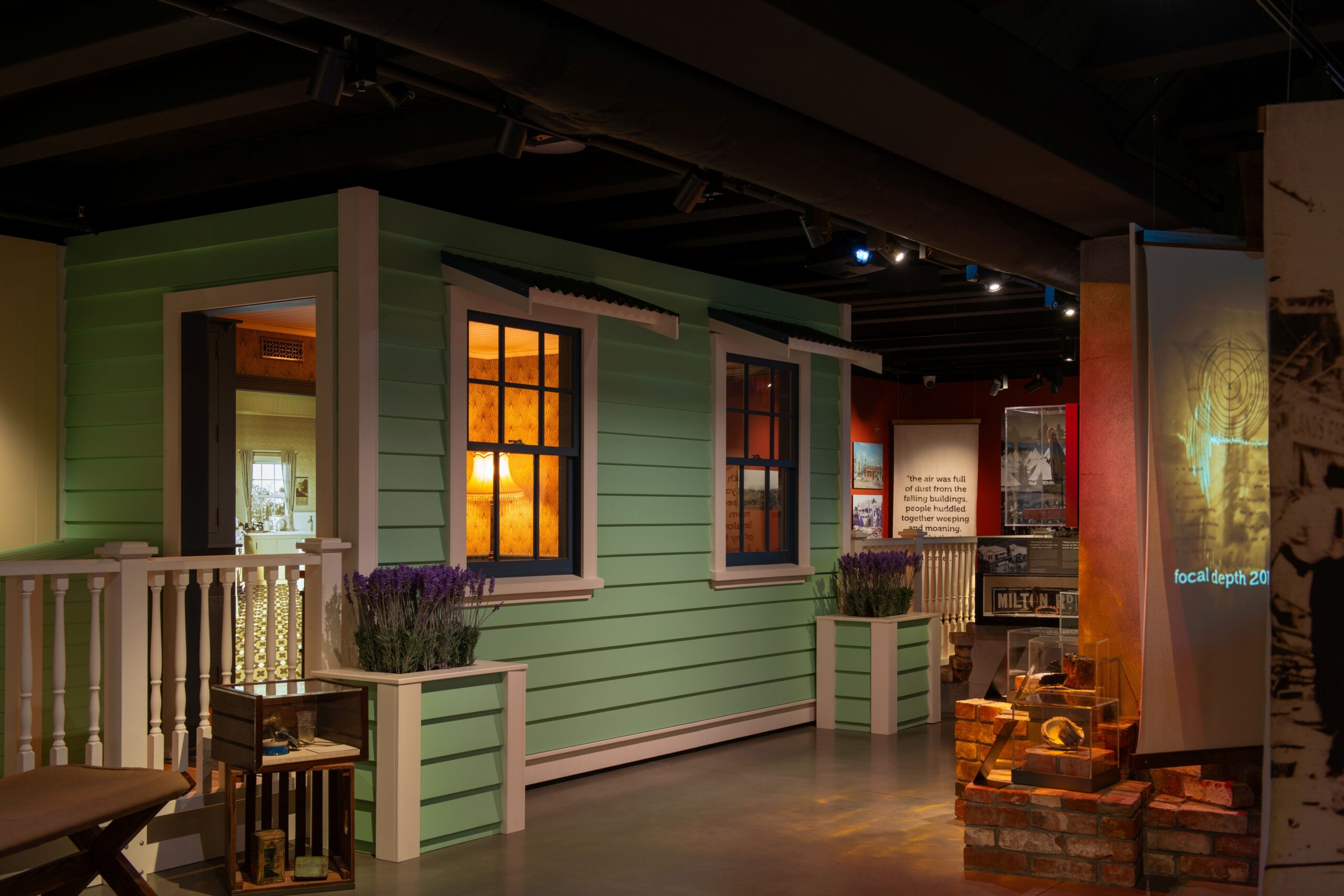
Students can explore Aotearoa New Zealand histories through immersive experiences such as Battles in the Bay, Pūrākau o te Whenua, and hands-on Māori technology workshops, or step into the past to plan for the future with the popular earthquake programmes.
The newly refreshed earthquake learning experiences across all ages – Moremore: Kaitiaki o Te Whanganui a Orotū, Rūaumoko Rumbles and Tīhei Rūaumoko, bring powerful local narratives and science together in dynamic, interactive ways with the shake house and shake tables.
Kahukura Hawke’s Bay also offers the opportunity to engage in The Return of Heretaunga III, an ongoing programme developed in collaboration with local iwi.
Ākonga can explore the story of Rangatira Karaitiana Takamoana’s poupou, now held in museums around the world, and take part in their journey of repatriation, connecting deeply with living history.
Creative learners can engage with Toi programmes, from visual arts analysis to making their own artworks, while outdoor hikoi and self-guided experiences offer flexible, free options for schools to explore Napier’s history, culture and environment at their own pace.
With free self-guided visits, affordable educator-led sessions, and customised programmes available, Kahukura Hawke’s Bay Museum is your school’s partner in delivering memorable, place-based learning.
Museums have long been places of curiosity—where students encounter new ideas, objects, and ways of thinking. Increasingly, they are also becoming spaces where learning is active, practical, and deeply connected to real-world skills.
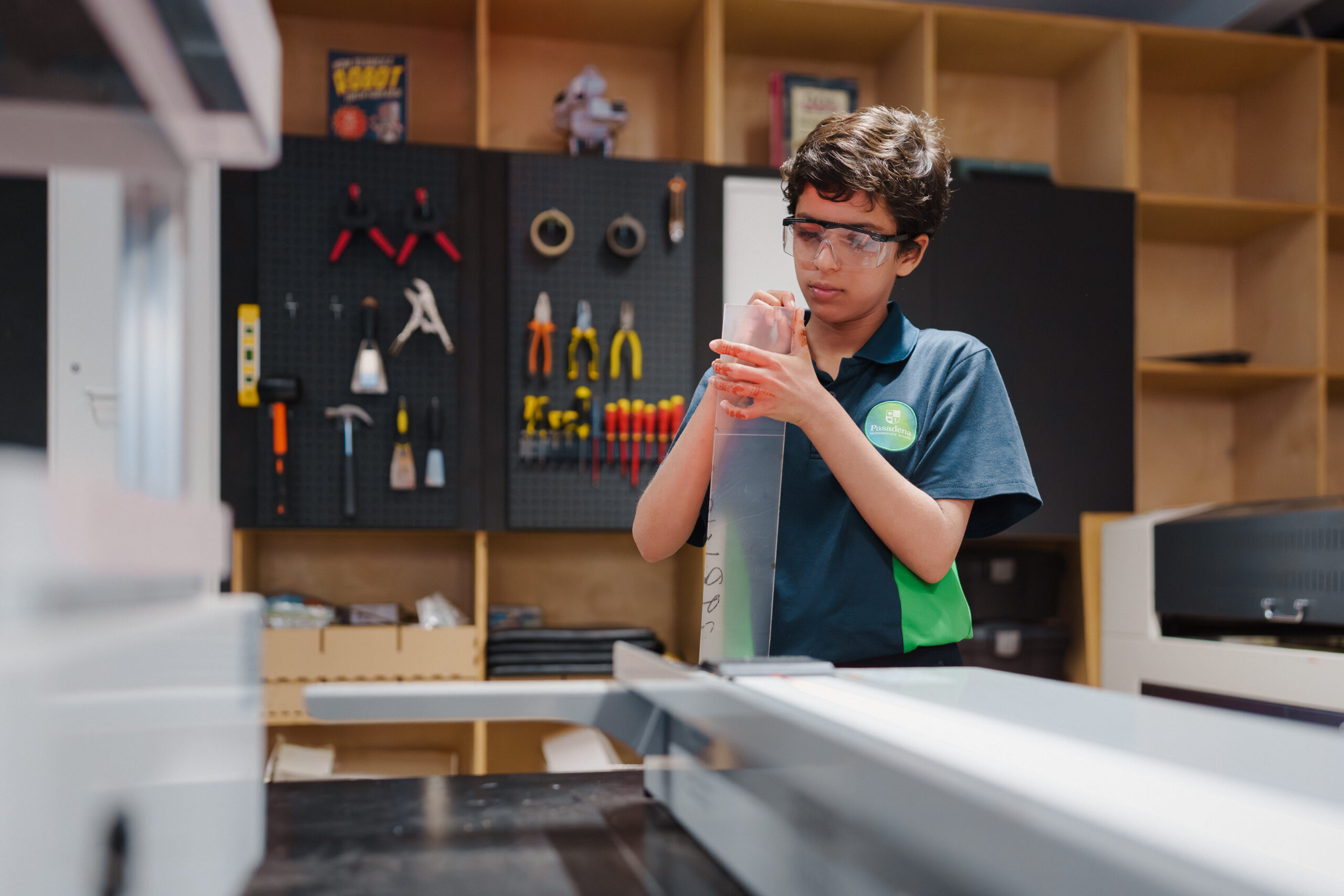
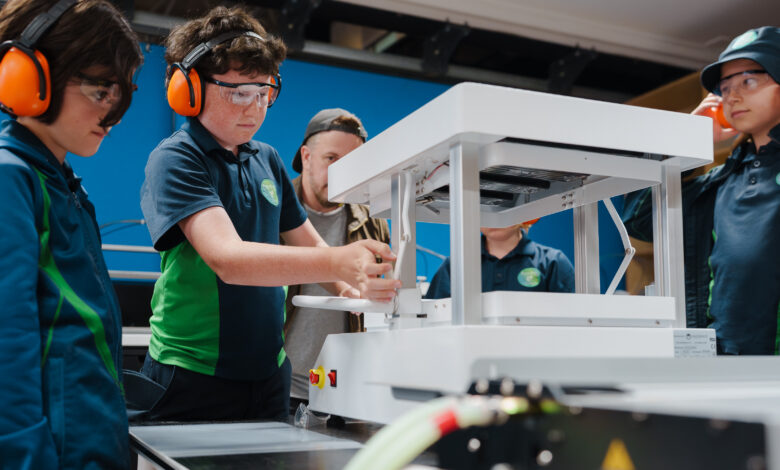
New to the MOTAT suite of education programmes, Innovation Forge goes even further and is designed to support schools in delivering meaningful technology learning. It complements classroom teaching, offering a practical extension that builds confidence, creativity, and problem-solving capability.
Innovation Forge provides students with access to a dedicated workshop environment, where they can engage directly with tools, materials, and processes that may not be available in school settings.
Developed in collaboration with participating schools, the programme can be tailored to respond to common challenges each school faces, such as limited access to facilities, safety requirements, and time constraints.
Students progress through a structured learning journey—beginning with safe tool use, moving into design thinking and prototyping, and culminating in the development of ideas that respond to real-world problems. Throughout the programme, they are supported by experienced educators and industry mentors.
What sets museum-based programmes apart is the context they provide. At MOTAT, students are surrounded by stories of innovation, engineering, and ingenuity—reinforcing the relevance of what they are learning and helping to spark new ideas.
In an evolving education landscape, partnerships between schools and institutions like MOTAT play an important role—ensuring students continue to access rich and varied learning experiences that inspire curiosity and support future pathways.