Confidence, curiosity and connection: School camps and excursions
External learning activities help bring learning to life, making abstract concepts real, and cementing classroom learning

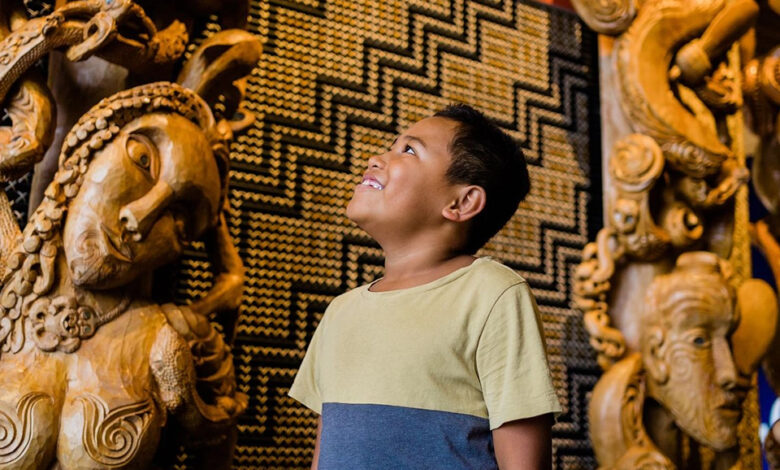
School camps and excursions offer dynamic learning experiences.
Bringing concepts to life in ways that classroom activities can’t, camps and excursions help to cement and enrich learning. Offsite activities can help to develop students’ practical skills, encourage teamwork and exploration, and make abstract concepts real. Plus, camps and excursions are fun, which makes the learning even more memorable!
Read the latest print edition of School News online HERE.
Hands-on, brains on
Camps and excursions expose students to an exciting range of activities, inviting them to be active participants in their learning, rather than passive observers. Hands-on learning has been shown to correlate in strong knowledge retention—up to 75 percent. In contrast, some learners retain only five percent of material presented through a lecture, and thirty percent when material is taught by demonstration.
Engaging multiple senses at once, hands-on learning caters to different learning styles, including auditory, visual and kinaesthetic leaners. When we connect our senses—smell, sight, taste, touch, sound—in learning experiences, we make sensory memories, and form stronger neural connections to the subject.
Engagement too is boosted through hands-on activities. We know that tamariki can tune out when being talked at in the classroom, but hands on activities offered at camps and excursions keep them engaged.
The specific types of hands-on activities common on school camps and excursions offer extra benefits. Safe risk taking, like rock climbing or navigating a high ropes course, can help students push their limits and build self-confidence and self-esteem.
While on a camp or excursion, students might be faced with obstacles or challenges they could encounter in the real world. Here, they will have the space to work through these difficulties in a safe environment, developing their problem-solving skills. This will leave students better equipped to handle future problems both in the classroom and in their daily life.
Read more EOTC stories on School News HERE
Ask the experts
Teachers are very clever, but they might not always be the experts. Guiding students to canoe across a lake, demonstrating the wingspan of an Albatross, or explaining the intricacies of historical artefacts might be better left to someone with specialised knowledge.
Camps and excursions will often have staff who are experts in their fields, with more extensive knowledge on a subject area than classroom teachers might have. This gives students the opportunity to ask questions and deepen their understanding on topics.
Particularly for senior students, seeing professionals work in unexpected fields—for example leading adventure activities at a school camp, conducting an orchestra, curating an art collection at a gallery, or caring for wildlife at a zoo—can help tamariki imagine their own careers. With school providing limited exposure to the breadth of career paths students might take, witnessing these professions first-hand can help students expand their own goals and ambitions.
Some inspiration for your next school excursion
Whether it’s a trip to the museum or gallery, a visit to a wildlife park, or an excursion to see an historical site, student learning can be enhanced by EOTC.
Many students will be excited to leave the school grounds, and an excursion will give them the opportunity to practise listening to and following instructions, presenting themselves properly as representatives of their school. Learning to navigate public transport can also be an unintended benefit of an excursion.
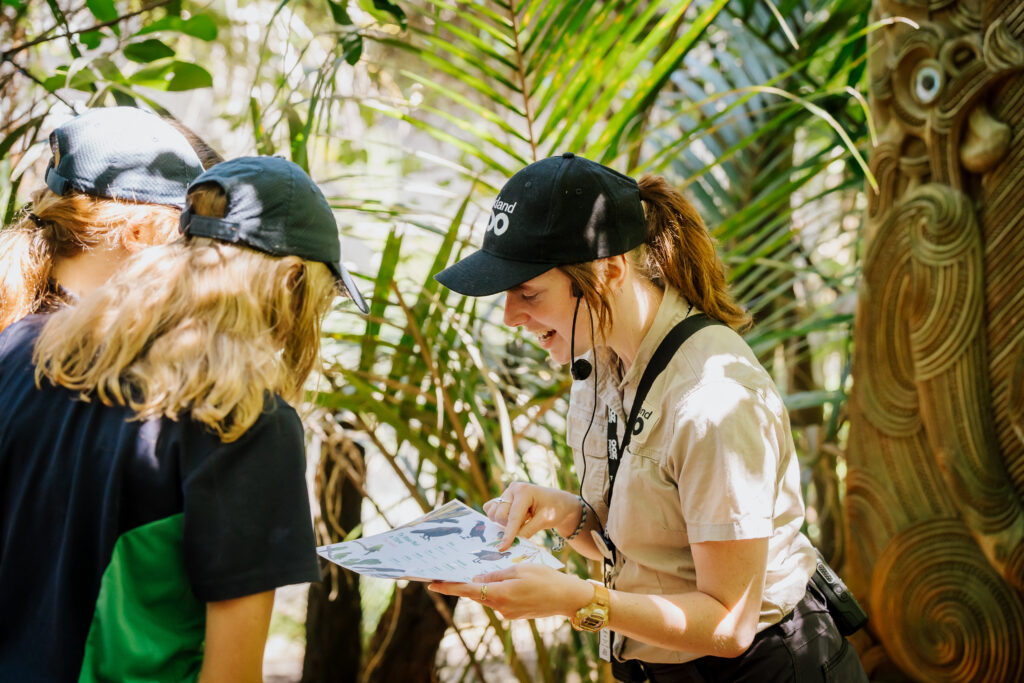
Experiential learning is at the heart of Auckland Zoo’s conservation learning ethos.
As a world-renowned education provider for ākonga of all ages, its team of expert facilitators are passionate about sharing their experience and knowledge and inspiring Aotearoa New Zealand’s future conservation scientists.
Interactive sessions are supported by pre and post visit learning resources and complement the New Zealand Curriculum, Te Marautanga o Aotearoa, and Te Whāriki. Learning outcomes are tailored to suit Years 0 to 13 curriculum requirements and sessions cover a wide range of topics— from sustainability, classification, and adaptations to Te Ao Māori themes of whakapapa and Matariki.
As Te Pā Hono – a place of connection, Auckland Zoo is deeply committed to wildlife conservation and inspiring tamariki on the role we all play as kaitiakitanga and as part of te taiao (our natural world). By connecting today’s tamariki with te taiao, an Auckland Zoo visit can foster passion and empathy for wildlife and wild places.
Term 1 (typically a quieter time for group bookings) is a great time for school groups to visit and enjoy an immersive experience and engage deeply with the Zoo’s facilitators. Conservation Learning visits are also available online with virtual sessions, and are a fantastic way to bring Auckland Zoo to you.
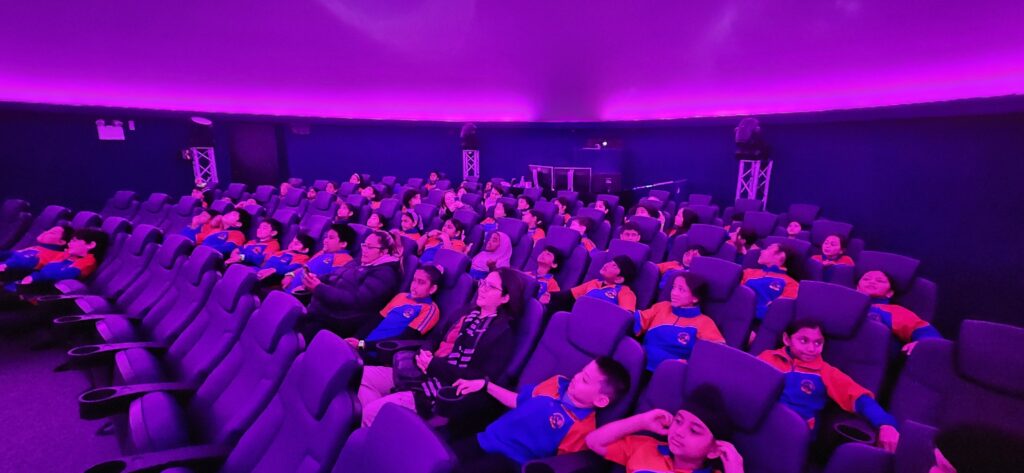
Te Whatu Stardome Observatory and Planetarium, based in Tāmaki Makaurau Auckland, is committed to ensuring that astronomy, mātauranga Māori and cosmological science are shared with integrity and honour. The team aim to inspire curiosity and inquiry in the minds of rangatahi and allow them to explore the interconnections between people, Earth, and the cosmos.
From 2025, Stardome welcomed school groups to the brand new, future focussed, tech forward learning space, designed for accessibility and inclusivity.
The new kōkōrangi Māori programming became available in Term 1, 2025 with three session focuses: Te Wā – timekeeping in te ao Māori; Whakapapa – our links to the stars; and Pacific navigation
A new session focus for the Matariki program will tie-in to local histories and landmarks, with a focus on conservation.
Stardome brings pūrākau to life, helping students to explore the connections between science and the stories of our lands. A trip to Stardome supports your class plan by showing ākonga the fundamental principles of astronomy, how amazing space is, and how precious our Earth is.
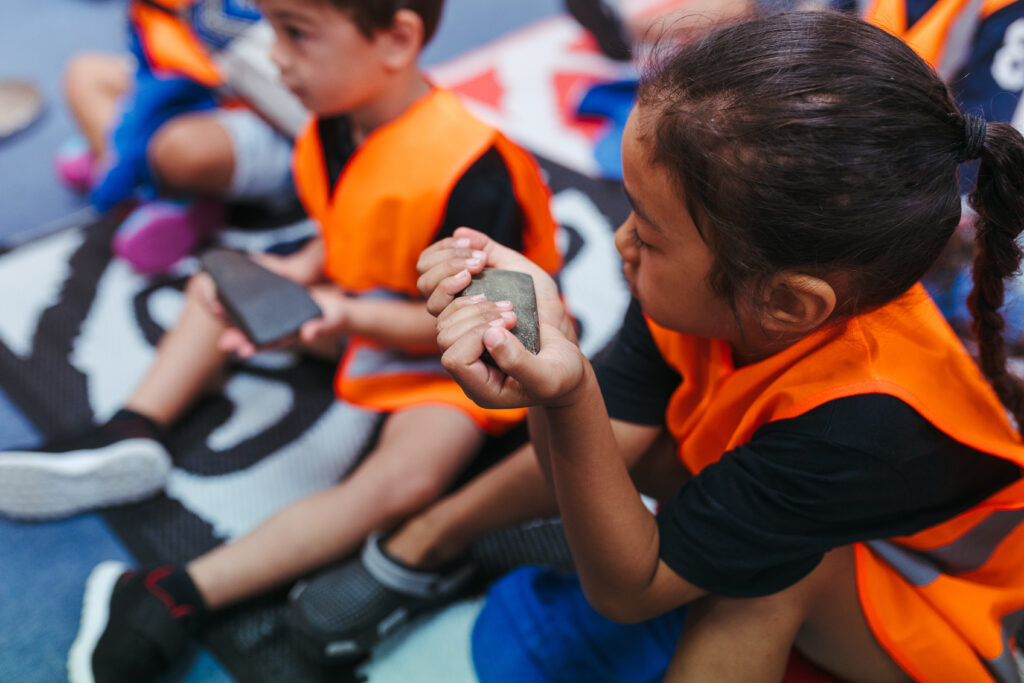
Te Awamutu Museum Education offers a wide range of EOTC experiences that connect to, enrich and strengthen work in the classroom.
Coming back home to Te Whare Taonga O Te Awamutu Museum Roche Street building after three years in a temporary pop-up museum space, these hands-on sessions are held in updated multiuse exhibition gallery and education spaces to give ākonga a unique, genuine experience.
Designed for early childhood through to Year 13 and weaving multiple curriculum threads, utilising exhibitions and taonga, the education handling collection and hands-on activities, Te Awamutu Museum Education Programmes create engaging, meaningful experiences that make a real difference to learning outcomes.
Sessions can be held at significant sites and natural areas in Waipā, as standing in the footsteps of those gone before us helps to make concepts come to life.
Time and travel can be at a premium for excursions or camps, so for Te Awamutu Museum Education, flexibility is key; the team offer a wide range of delivery options, including coming to your Waikato based camp or school for a special hands-on history camp rotation (dependant on travel time).
While small in size, Te Whare Taonga O’ Te Awamutu Museum is significant in experience and offerings.
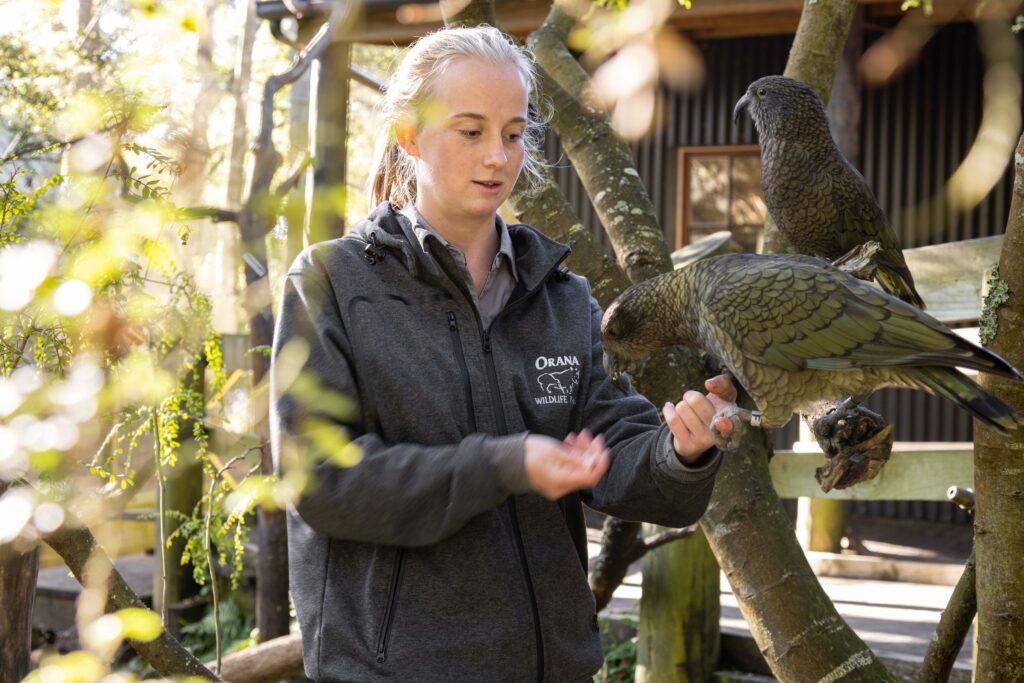
Orana Wildlife Park is NZ’s only open range zoo making it the ultimate destination for unforgettable learning beyond the classroom.
Orana specialises in creating memorable learning adventures that build connection with nature in unique biodiverse settings, inspiring visitors to care about the environment and conservation issues. A school visit to Orana provides an authentic, inclusive and enriching learning experience where students can observe and learn about a wide range of species.
Designed for Years 1 to 13, the experienced team tailor curriculum-linked sessions that create exceptional student experiences which cannot be replicated inside a classroom. Imagine your students’ hand-feeding a majestic giraffe, coming face-to-face with NZ’s only gorillas, or laughing at the antics of cheeky kea.
Orana’s programmes support a diverse range of curriculum areas and key take-home conservation messages are incorporated to support learning and encourage discussion.
Book a Zoo School session at Orana Wildlife Park today and empower your students to become confident, caring kaitiaki of the future.
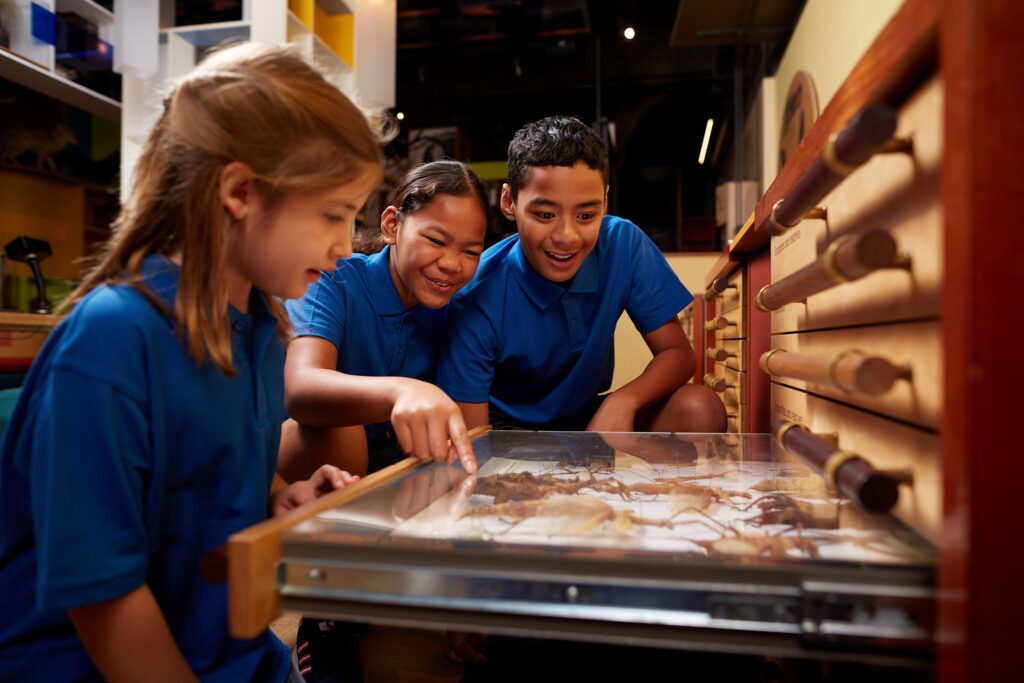
AM Learn is Auckland Museum’s education offering, creating enriching, curriculum-linked learning experiences for school learners of all ages through flexible and adaptable programmes. With more than 20 programmes available, there are options to suit every age and stage of learning.
From exploring volcanoes and the natural world to engaging with Māori and Pacific histories, AM Learn makes learning active, hands-on and relevant. For schools and kura seeking a more personalised approach, AM Learn works closely with educators to design tailor-made sessions aligned to specific learning objectives.
Auckland Museum is home to one of the largest Māori and Pacific collections. While galleries are being revitalised, educators continue to share Māori and Pacific stories through programmes delivered at the Museum or onsite at schools. Ākonga can engage with a diverse handling collection, making meaningful connections between past and present.
Professional development for teachers is a cornerstone of the Museum’s educational offering, supporting intergenerational learning by providing tools, resources and inspiration to enhance teaching practice.
Whether a scheduled visit, a customised programme or a professional development workshop, Auckland Museum is a place where learning transcends the classroom.
Te Whare Taonga o Waikato Museum & Gallery offers engaging, curriculum-linked programmes designed to inspire tamariki and rangatahi. The education team delivers interactive sessions that connect students with Waikato’s rich history, te ao Maaori, science, and the arts.
In collaboration with Pouaarahi, the team offer programmes that embed tikanga and te reo Maaori, drawing on the Museum taonga to deepen understanding of Waikato iwi narratives and traditions. Sessions can be tailored to support kaupapa such as Matariki or local heritage studies.
Students can also explore STEM learning at Exscite, the interactive science exhibition, or discover the science of air through experimental play at Air Playground (on until April).
For older students, the museum has a range of contemporary offerings, from toi Maaori gallery tours to creative workshops making zines, collage, poetry and more.
The team work closely with teachers to tailor visits that meet learning goals and enrich classroom teaching to ensure every group gets the most out of their visit. Whether it’s a focus on tikanga and te reo Maaori, local heritage, or creative expression, the educators create meaningful experiences that connect past and present.
A visit to Te Whare Taonga o Waikato Museum & Gallery is more than a field trip—it’s an opportunity for learners to see themselves in the stories of this place and discover new ways of thinking about the world.
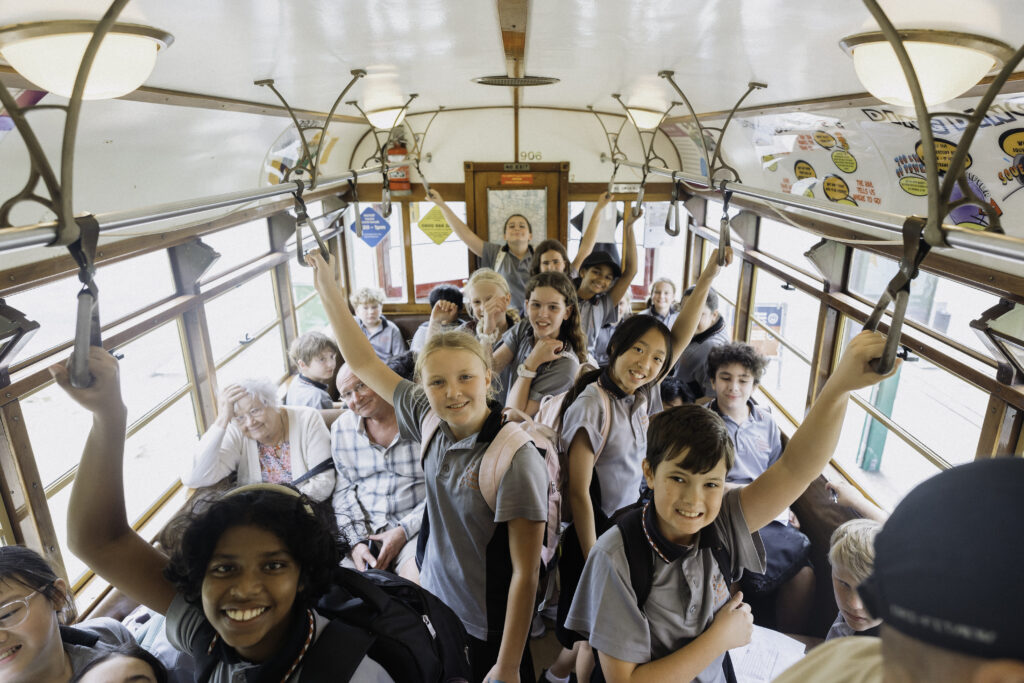
The beginning of the year is an important time for class team building and MOTAT’s team of qualified educators can provide your students with engaging hands-on, minds-on EOTC STEAM experiences at their museum, and their STEAM Cell resource trailers provide exciting in-class experiences.
Whether you are looking for an out-of-school visit including rich experiences and inspirational activities or an education program delivered at your school, MOTAT can provide customised learning opportunities for you and your students.
Start Term 1 with teamwork and collaboration for your class with the new programme, MOTAT Mysteries—a forensics-based programme that provides opportunities for tamariki to develop leadership skills and core competencies while they’re solving a mysterious MOTAT-themed machine malfunction.
With a range of programs covering topics from Design Thinking and Digital Technologies to the Science of Sound and Electricity, MOTAT has something to suit all learning objectives.
Related School News story: What transferable life skills should we be teaching?
School camps and adventure activities to challenge your tamariki
For many students, a school camp will be there first time away from home. School camps can help students build independence, and try new things outside of their comfort zone.
Adventure activities are an excellent way to encourage your students to be active, which will have a range of physical health and mental wellbeing benefits.
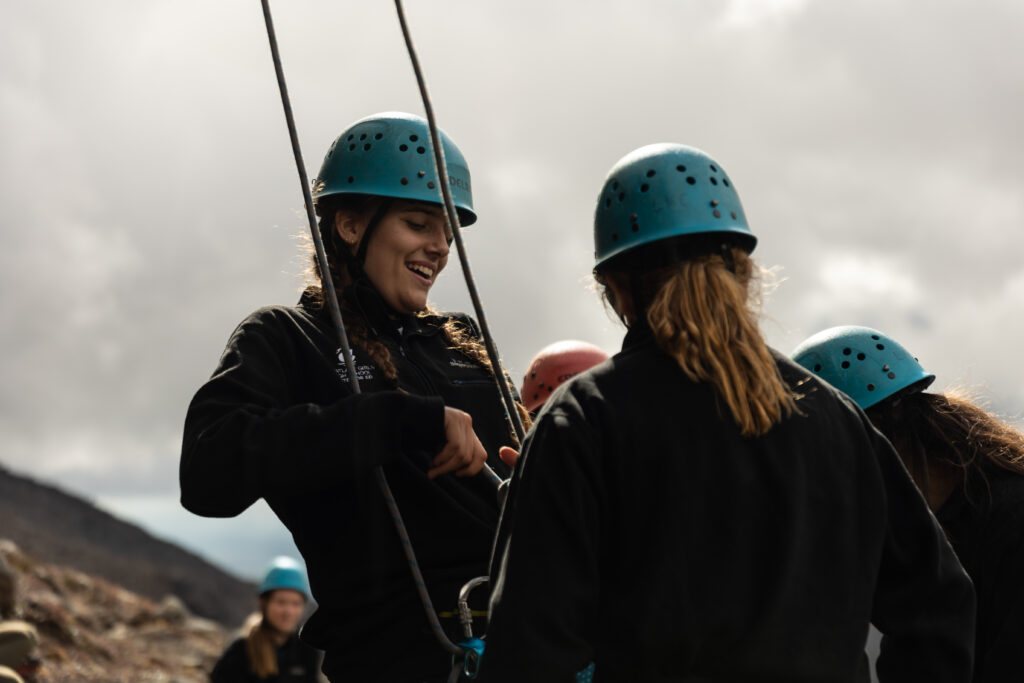
Hillary Outdoors provides transformative experiences that immerse students in the outdoors. Students are placed in real-world situations that encourage problem-solving, resilience and a genuine sense of capability.
From their Tongariro and Coromandel Centres, Hillary Outdoors delivers residential programmes that run from several days to several weeks. Each programme is developed in collaboration with schools to reinforce specific goals. Whether your focus is on building student relationships, growing leadership, or fostering personal development, Hillary Outdoors work with you to create meaningful experiences that last beyond the trip itself.
Groups of 10 students, accompanied by a teacher or school adult, are guided by skilled, experienced instructors carrying qualifications for outdoor pursuits and facilitation. This small-group setting encourages meaningful engagement with peers and adults, enhancing social and emotional learning.
Many programmes offer opportunities for students to earn NCEA unit and achievement standards. This gives learners a sense of purpose and achievement as they take on new challenges.
When students return from Hillary Outdoors, teachers often notice a lift in enthusiasm, self-belief and readiness to engage in school life. The benefits to wellbeing are significant, helping young people feel more grounded, motivated and connected.
Hillary Outdoors creates experiences that reveal strengths students often didn’t know they had and help them discover what they are truly capable of.
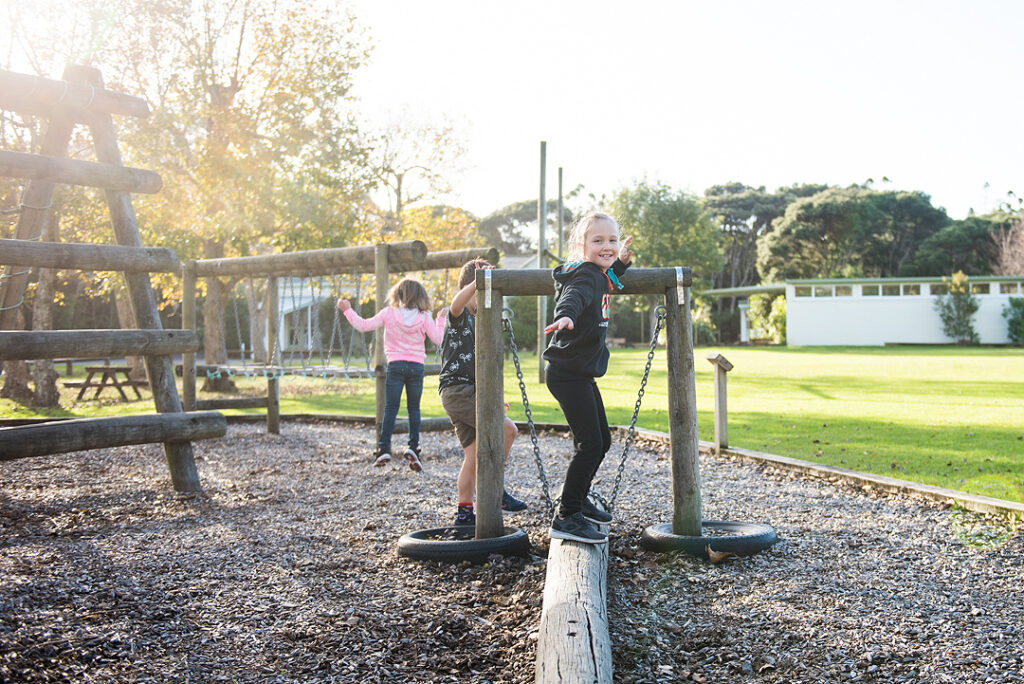
Enjoy the ultimate school camp experience at Hunua Falls Camp. Located just 50 minutes from Auckland city, the camp provides affordable, exclusive use of the entire site, which can accommodate up to 118 people. The camp’s facilities include comfortable heated bunkrooms sleeping four, six or eight, separate shower/toilet blocks, a large hall and dining area, a chapel, and flexible meeting spaces for indoor programmes. Schools can self-cater using the commercial kitchen or hire caterers.
Onsite and nearby activities support physical, social, and environmental learning goals aligned with the New Zealand curriculum. These include a confidence course, problem-solving challenges, orienteering, a nighttime Burma trail, open fields for team sports, playgrounds, and scenic bush walks in the adjacent Hunua Ranges Regional Park.
Experience nature and adventure at Houghton’s Bush Camp in Muriwai, the ideal retreat for school groups. Set in a stunning bush landscape with numerous hiking trails, the camp sleeps up to 85 guests in heated bunkrooms. Your school can enjoy exclusive venue hire at affordable rates, perfect for educational and recreational activities and only 50 minutes from Auckland city. The camp features a fully-equipped commercial kitchen, a spacious hall/dining room, sports fields, and playgrounds to ensure a fun and engaging stay.
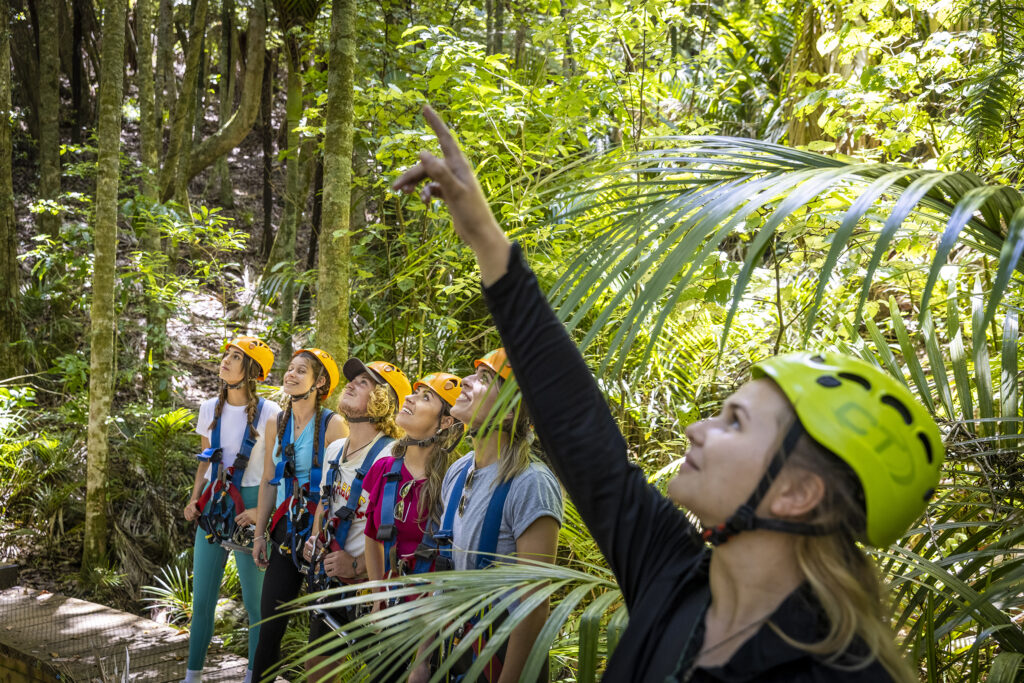
EcoZip Adventures delivers curriculum-based outdoor learning on Waiheke Island and in Kaikōura, with programmes designed for intermediate and secondary schools, and international student groups. Each visit combines the excitement of ziplining with a guided exploration of native forest, giving students the chance to apply classroom learning to real-world contexts across science, ecology, geography, tourism, business studies, physical education and cultural studies.
Both locations cater for a wide range of group sizes, with discounted education rates and flexible scheduling to fit around timetables or broader itineraries. Programmes can be tailored to support specific learning outcomes, and EcoZip staff work with teachers to co-design content that complements desired learning outcomes or objectives.
On Waiheke, schools can select set packages or build bespoke programmes that may include native tree planting. In Kaikōura, programmes can also highlight coastal ecology and marine conservation.
Experienced guides provide interpretation throughout both the adventure and forest-based elements, linking the physical experience with educational themes. All activities meet New Zealand safety standards, allowing staff and students to focus on learning outcomes.
EcoZip offers a practical balance of outdoor activity, environmental education and cultural context, with a hands-on way for students to learn, reflect and connect with the world beyond the classroom.