
Electronic access systems for safety, security, and convenience
Modern access control systems are helping schools take control of safety, and eliminate cumbersome bundles of jangly keys.

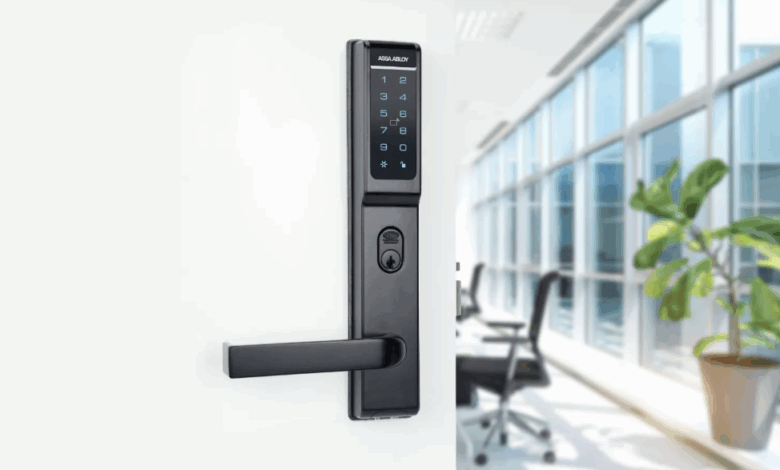
Schools need to protect their infrastructure and property from theft and vandalism while ensuring reasonable access for staff, relief teachers, contractors, cleaners and maintenance personnel.
In the past, this meant having countless traditional keys, which meant coordinating copies, replacing locks and complicated access management involving manually logged records. Traditional keys are also costly and time-consuming to replace, and any issues trigger an administrative wave that takes time away from the other complex factors that come with running a school. Fortunately, with new technologies come new ways to manage access and security. Many schools are embracing electronic access control systems, which streamline access management while improving security and convenience.
Read the latest print edition of School News online HERE.
There are many different electronic access systems. What suits a school or organisation will depend on its needs, including size, existing infrastructure, budget and security levels. For instance, older schools with aging infrastructure should consider whether new electronic access systems can be retrofit onto existing doors.
Most electronic access systems share several key features, like centralised control software. This has the benefit of providing administrators with real time data on who has accessed which parts of campus, an invaluable feature in emergency situations.
If access cards or electronic keys are lost, the centralised system means components can be reprogrammed immediately, eliminating security issues.
Related School News article: Smart key upgrade gives South Otago High full control in a day
What’s more, electronic access systems enable full customisation. For instance, contractors or external providers can be given access to specific areas, on specific days, and at specific times.
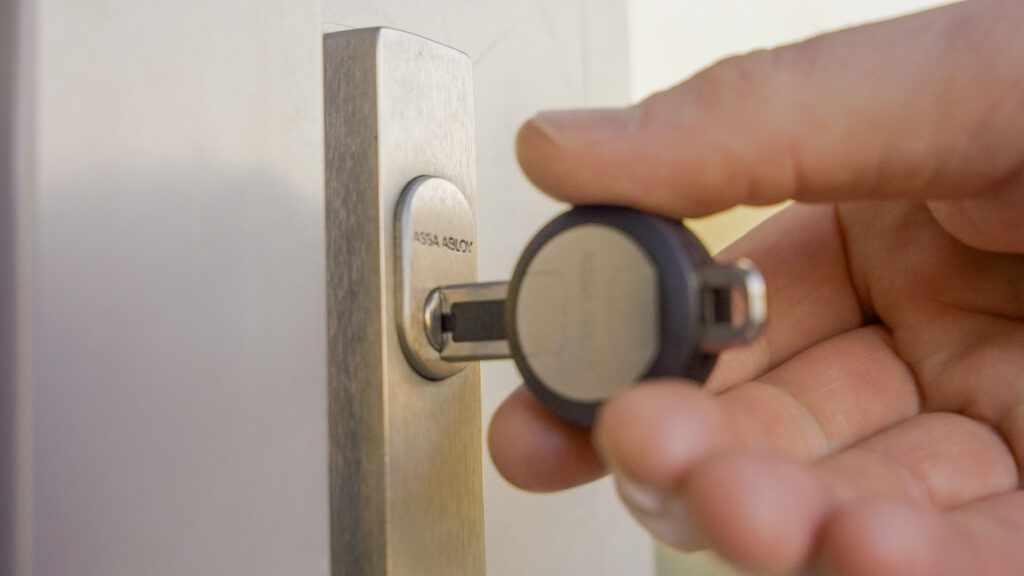
Besides the access keys and cards themselves, the doors and locks can be programmed. This means that classrooms and other parts of the school can be made secure during weekends, after hours and during school holidays if needed.
Centralising access control is not only more secure, it is more convenient for users, as they only need to carry a single card or electronic key. Some systems, like electronic key options, require keys to be reset or reactivated, adding an extra layer of security and monitoring.
Electronic access systems can also support schools’ broader security plans. The convenience of centralised, online management systems means that access can be controlled remotely. The software can be used alongside video surveillance systems and other security measures like security patrols to help deter theft and vandalism. These measures can help schools to protect their valuable resources while delivering convenient and flexible access to relevant personnel.
Ronnie Pocock from ASSA ABLOY said modern access control is helping schools take charge of safety—with more precision and less effort.
“By moving from traditional master keys to programmable electronic ones, schools are gaining flexibility and control. Staff access can be tailored to roles, and lost keys are no longer a risk—they’re simply disabled.
Related School News article: How can a school management system make your life easier?
“Wireless systems are also making a difference. At one Auckland school, a wireless solution now manages access across teaching, admin, and residential buildings. Staff use proximity cards with personalised access rights. The system supports zone-specific control, real-time monitoring, and full lockdown when needed—helping schools stay ready for anything.
“Wireless locks are proving just as valuable—especially when integrated into wider access control platforms. In school environments, these locks can connect with panel-based systems that coordinate access with other security elements like cameras and alarms. This enables real-time management of access rights, audit trails for door events, and zone-specific control across diverse building types. The system also supports lockdown procedures and can be retrofitted to existing hardware, making it a smart, scalable solution for evolving school needs.
“These technologies help schools decide who gets in, when, and where—creating safer spaces and smoother operations.”