Hope for the best, plan for the worst: Essential first aid
Beyond meeting mandatory first aid requirements, first aid training could prove invaluable to staff and students in an emergency situation.


Schools are subject to minimum workplace first aid standards, as set by WorkSafe.
School boards must ensure there are first aid kits available, and staff are trained in first aid provision. This is part of meeting the health and safety requirements and fulfilling a duty of care to the whole school community. Specific first aid requirements generally vary by school roll, and activities. In this article, School News outlines first aid requirements for schools, the materials needed in a first aid kit, and available training options for staff and students.
Read the latest print edition of School News online HERE.
WorkSafe sets out guidelines that school boards can use when reviewing or updating health and safety policies and ensuring compliance.
Questions for boards to consider include whether there are enough first aid kits and facilities – has the school roll grown or shrunk in size? Have upgrades or expansions to school property changed the distribution of students and staff across the grounds? What about construction or damaged areas that create choke points or restrict movement around the property?
Such considerations mean the location and number of first aid kits may occasionally change to ensure timely access in case of emergency.
First aid equipment should be easily accessible, with the goal of access within minutes of an emergency. This means there should be a dedicated first aid kit in places where high risk activities are happening, such as a science lab or food tech room.
Changes to school roll size will also impact the number of staff required to be trained in first aid. Some schools choose to train all or most of their staff in basic courses to ensure a first aid worker will also be rostered on. If someone requires first aid at school, or during a school-related activity, boards are also required to record the incident and keep a register.
Related School News article: How to save a life: AEDs in schools
Schools must also ensure a first aider and kit are available on EOTC activities. School boards are legally obligated to ensure mobile first aid kits are taken for every excursion, and that an appropriately trained person is assigned responsibility of the supplies. A full list of EOTC health and safety requirements can be found on the Tāhūrangi – New Zealand Curriculum website.
Boards are also responsible for ensuring first aid supplies are kept clean, tidy and accessible for use. Generally, materials should be kept in a waterproof and dustproof bag which is clearly identified as a first aid kit.
Basic supplies to include in a school first aid kit include, but are not limited to:
- Disposable gloves.
- Sterile saline solution, or other suitable wound washing agent.
- Safety pins, bandage clips, tape, or other means of securing wound dressings.
- Sterile wound dressings, including plasters.
- Rolls of stretchable bandage.
- Triangular bandage or other means of immobilising an injured upper limb.
- Scissors
- Tweezers
- Cold pack
- First aid manual
- Contact details for the National Poisons Centre (0800 POISON or 0800 764 766), and for Healthline (0800 611 116).
- Non-prescription, topical medicines like antiseptics and insect bite spray for minor wounds.
First aid kits should be routinely monitored to ensure items have not expired, sterile items are still sealed, and there is an adequate supply.
Mobile first aid kits which are taken to sports tournaments or EOTC activities may need additional items like splints, inhalers, or anaphylaxis kits. Items should be replaced as soon as possible if used, and it is good practice to have a current inventory list which is signed and dated after each check.
Brad Smith, quality training manager at LifeCare said schools should also consider a CPR resuscitation mask on school grounds. When travelling, schools should have multiples of all the essential items in a kit, as well as “wound dressings of various sizes, fabric plasters including large, fingertip and knuckle, gauze swabs, non-adherent dressings, eye pads, splinter probes and a sealable bag to put bio-waste in.”
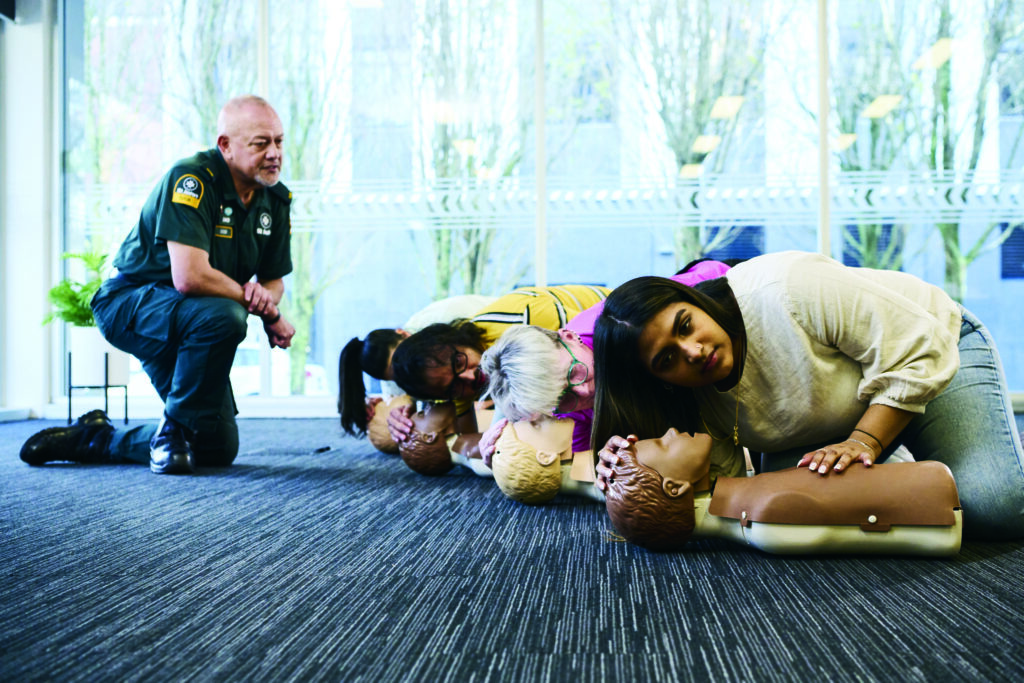
There are several first aid training options available, tailored to varying skill and responsibility levels. Most providers offer an NZQA accredited foundational course, which is a full-day program designed to ensure compliance with minimum health and safety standards.
Courses should include basic life-saving skills like CPR, using an AED, managing bleeding, recovery positions and managing illness. Some providers offer hybrid courses, where some components are completed online. This may be appealing to teachers who are juggling busy workloads.
These foundational courses will usually come with a certificate to show the participant has gained essential first aid skills and training. To keep this qualification valid, refresher training must be completed every two years. Most providers can arrange on-site trainings, especially for larger groups. Most also have regular public courses available, where schools with smaller rolls and fewer staff can also access first aid training.
Chris Shimmin from New Zealand Red Cross said schools should look for courses that are NZQA-recognised when selecting first aid training for staff.
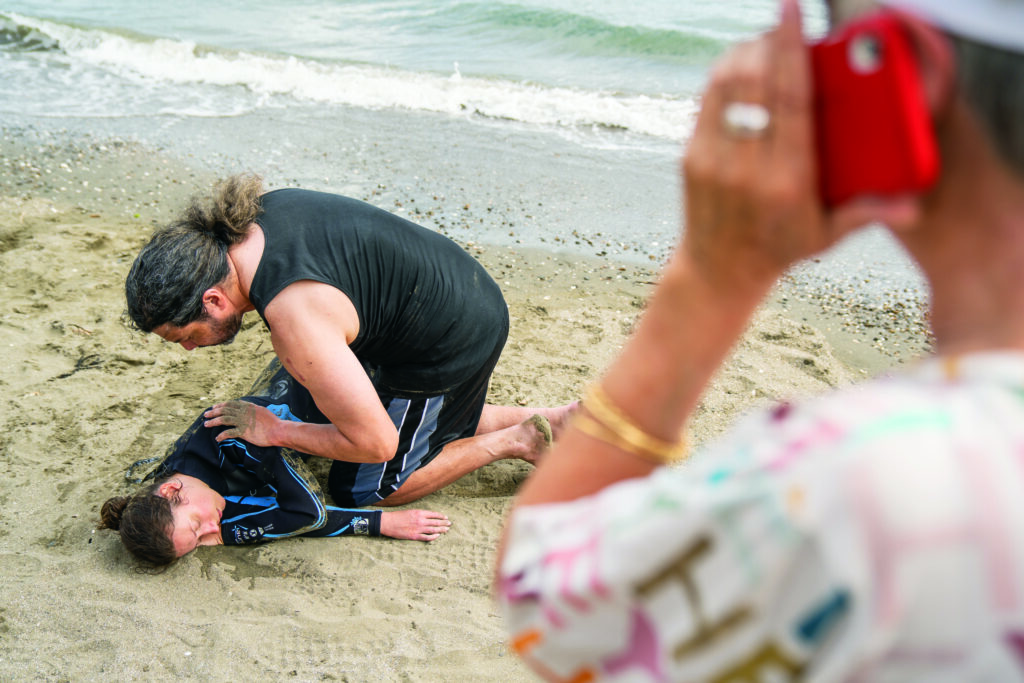
“This provides assurance that the provider meets quality standards, the training is based on the latest first aid guidelines, and that instructors are appropriately qualified. NZQA-accredited courses are also based on three unit standards that build progressively. A comprehensive training experience would include all three, since no one can predict the type of first aid situation they might face.”
Mr Smith agreed that an NZQA-accredited course was important, as it “prepares teachers and support staff to respond to playground injuries, classroom incidents, or field trips. Staff supervising sports, camps, or off-site activities may need more advanced training, and options range from half-day revalidation to full-day courses, so they can be balanced against teaching schedules.”
Beyond simple compliance requirements, schools may choose to offer first aid courses to students.
Mr Shimmin said: “An NZQA accredited first aid course could count toward an NCEA qualification, and/or improve a young person’s chances of employment with a first aid certificate.
“First aid is important for students because it equips them with essential skills that, while hopefully rarely needed, can make a critical difference in an emergency. Younger students benefit most from simple, confidence-building activities that help them recognise emergencies and seek help. Older students may engage with structured NZQA-based training, which provides life skills, formal recognition, and a practical addition to a CV.”
Read more Health and Safety stories on School News HERE
Mr Smith added: “High schools and teenagers are often exposed to greater risk as they are risk takers themselves. With risk often comes injury and first aid situations, so it’s important to learn the fundamentals of foundation first aid.
“The comprehensive course may also suit student needs. Covering topics like head and spinal injuries, and hyper- or hypothermia could be useful for outdoor students.”
Beyond foundational and comprehensive options, there are a variety of first aid courses which address specific scenarios that teachers and schools may find useful. For schools with a vocational branch, there are first-aid courses geared toward trades safety. Other providers have specialised courses for mental health first aid. These courses may include useful skills like recognising when someone is in distress, how to engage in conversations, understanding legal obligations, conscious and unconscious bias and knowing when to refer, and available referral options.
Mr Shimmin said psychological first aid is becoming more widely recognised as a valuable course to build emotional resilience.
“First aid is not only about physical care. Psychological first aid—emotional and practical support to reduce distress and foster the ability to adapt, cope, and recover—helps staff and students support one another in times of crisis. Teaching these skills from a young age builds resilience and normalises seeking help for mental wellbeing.”
Schools offering extensive EOTC programs or supervising outdoor extracurriculars may want to consider training staff in outdoor first aid. This is especially important for schools who offer multi-day excursions; outdoor first aid trains people to care for others when help is not available for long periods.
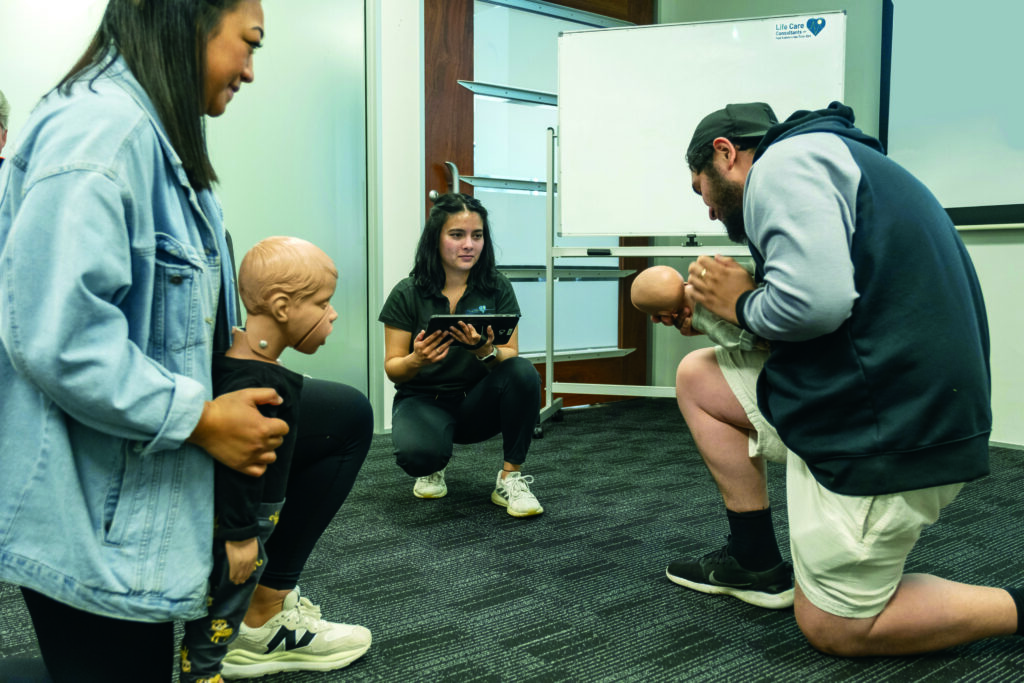
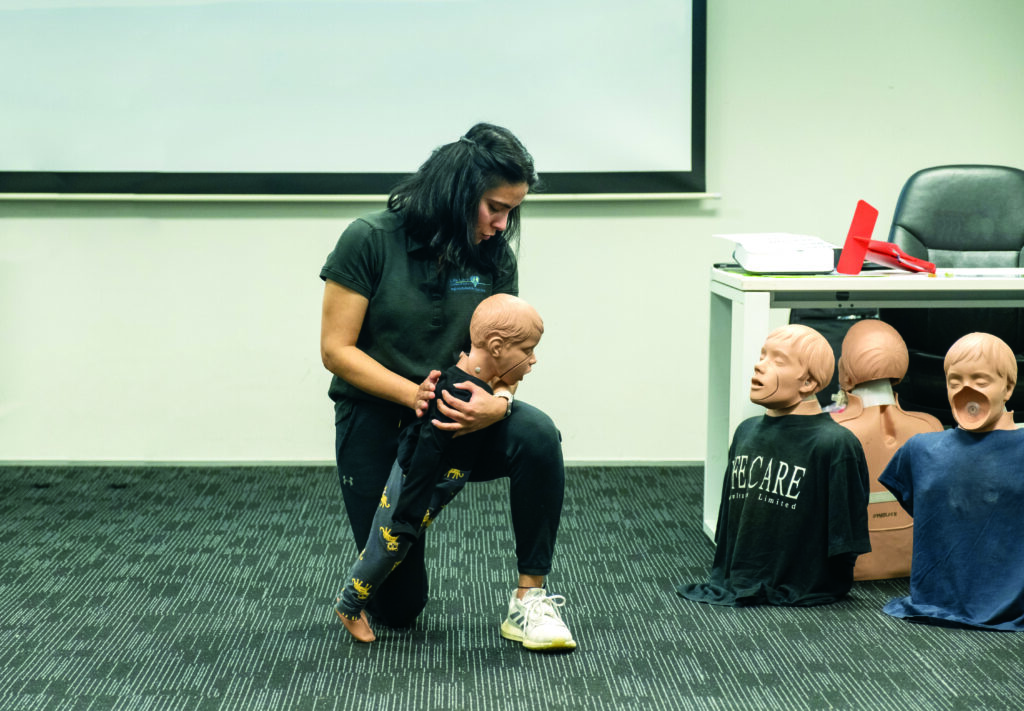
Finally, schools serving younger students should investigate training their staff in special child first aid courses.
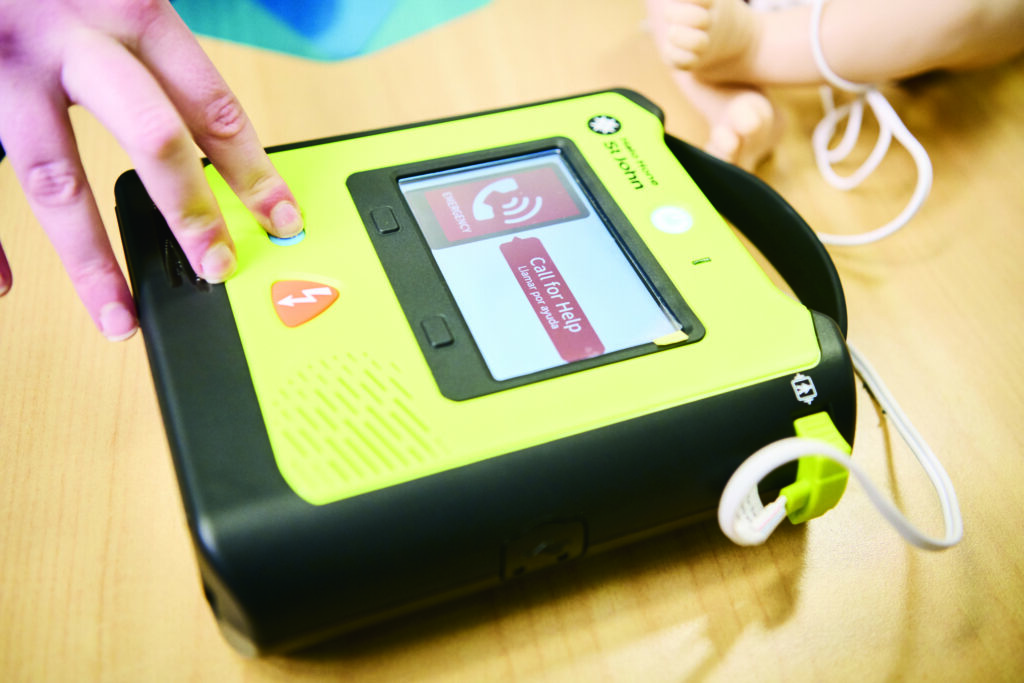
Simon Barnett, Head of Public Training and Medical Products at Hato Hone St John noted that “children are not just small adults. They are physically, emotionally and developmentally different, which means that their first aid needs are different too.
“A fit-for-purpose child first aid course, designed for professionals who work with children every day, means staff have training that is directly relevant to the people they look after. These courses offer practical, hands-on learning and realistic workplace scenarios that meet workplace requirements. Group sessions enable whole teams to upskill together.”