
“Growing up with many of our nannies and our papas and aunties, uncles on the coast, we’ve pretty much been raised in the village of storytellers… that’s what inspired me right from a young age to follow in those footsteps.”
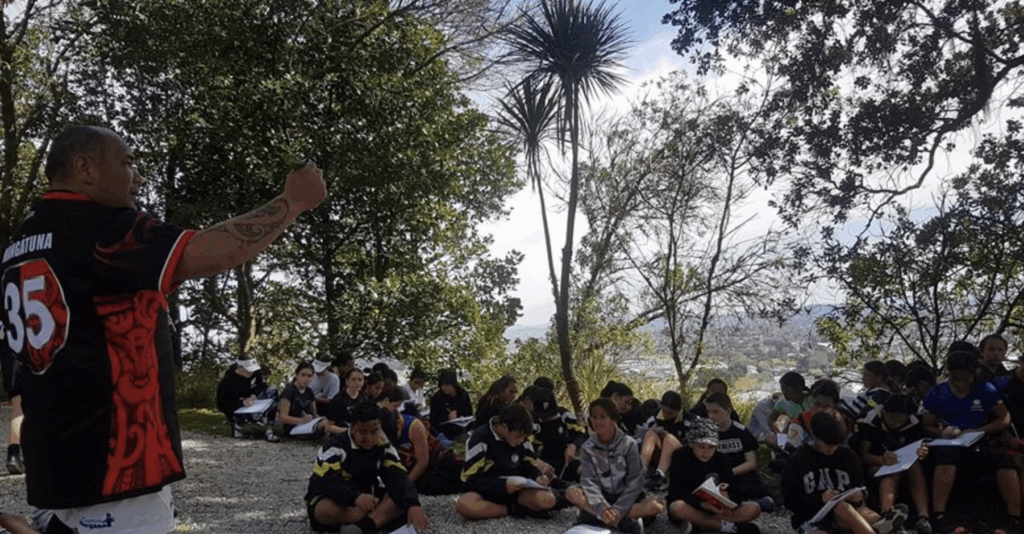
Puri Hauiti (Ngāti Porou, Te Whanau a Apanui, Te Aitanga a Hauiti) has been teaching for over 13 years at Gisborne Intermediate. Hauiti is a husband, father, and author. He’s also the founder of Ngā Ahikāpuni, a pūrākau Māori program at Gisborne Intermediate. During sessions, children learn storytelling techniques and pūrākau about their local rohe. Some of these budding storytellers then go on to lead their own pūrākau sessions at the local primary schools.
Read the latest print edition of School News online HERE.
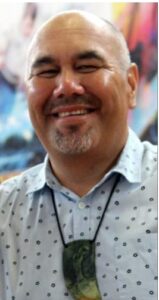
Hauiti describes pūrākau Māori as one of his biggest passions, which led him to design and implement Ngā Ahikāpuni. Although the program has only been running since the beginning of 2025, Hauiti says it has already made an incredible difference for the tamariki involved, connecting them to their local environment, their communities, and improving their confidence.
The context at Gisborne Intermediate
Gisborne Intermediate was established in 1940 to serve the town and surrounding rural population. Today, it has a roll of 533 students. Principal Andy Hayward describes the school as “the heart of our city… Our students are awesome and our staff are hardworking and committed to providing quality learning opportunities.”
The school’s roll largely reflects Gisborne’s wider demographic, with 60 percent of its students identifying as Māori, others as Pākehā and a “small group” of other ethnicities, mainly from Asia and the Pacific Islands.
Currently, the school’s strategic priorities include:
- Improving student learning by raising achievement in literacy and mathematics;
- Building powerful partnerships by increasing collaborations with parents, iwi, other schools and community organisations;
- Health and wellbeing monitoring and support;
- Creating contributing citizens through embedding school values (respect, integrity, self-management and excellence) and providing opportunities for students to be community conscious.
Ahikā: Reigniting the flames
Ngā Ahikāpuni addresses each of the above strategic priorities for Gisborne Intermediate. But the program is so much more than just meeting targets for Hauiti, the students, and the wider school community.
Hauiti describes the program as an initiative that works to “preserve and revitalise Māori storytelling traditions,” and it is underpinned by the principles of Te Tiriti o Waitangi. Hauiti is also the great great grandson of Treaty Signatory Tama i wakanehu i te rangi.
The name reflects the program’s kaupapa. The term ‘ahikā’ is usually defined as “burning fires of occupation,” and describes a concept in te ao Māori of iwi land rights earned through tino rangatiratanga, occupation of an area. Hauiti explains that whānau “keep the home fires burning with kōrero, stories, genealogy, whakapapa, history so those important things will never be lost within our world.”
Read more profile stories on School News HERE
Teaching tamariki these local pūrākau is a way of maintaining ahikā, then, as Hauiti is preserving the legacy of his ancestors, and ensuring their narratives continue through the generations. With Ngā Ahikāpuni, Hauiti wants to ignite the flame within tamariki, creating future custodians of local stories. As Hauiti puts it: “the ancient fires of our tūpuna—our ahikā—still burn today through the power of storytelling.
“I work on these stories to be able to share what we’ve learnt growing up and to be able to give those to our young people. Reconnecting a lot of our kids here on the East Coast back to who they are, what they are, but more importantly why they are.”
Through pūrākau, the program aims to foster connections to te ao Māori and empower tamariki to embrace their cultural heritage.
Hauiti says he sees a strong need for reconnection not just for the Māori children in Te Tairāwhiti, but right around the country.
“You ask a lot of our tamariki where they’re from and they just say, I don’t know, I’m from 22 Gladstone Rd… But what is your tribe? What is your iwi, what is your hapū, what is your maunga? Many of our kids, we just assume they know but they don’t have any understanding of these things.”
Empowering a cultural reconnection is important to Hauiti, and he says its rewarding to tell the children about their ancestors.
“The kids know all about The Avengers, Superman, Spiderman, all those guys, and I tell them about the true ancestors they come from… then they know they really come from a superhero.
“We descend from greatness, and one day greatness will descend from us.”
More than storytelling, pūrākau are identity-building, says Hauiti. This is true not just for the Māori students, but for the non-Māori ākonga too. The program creates an appreciation for indigenous cultures, says Hauiti, and students of other ethnicities are inspired to research their own ancestry and cultural stories.
The program
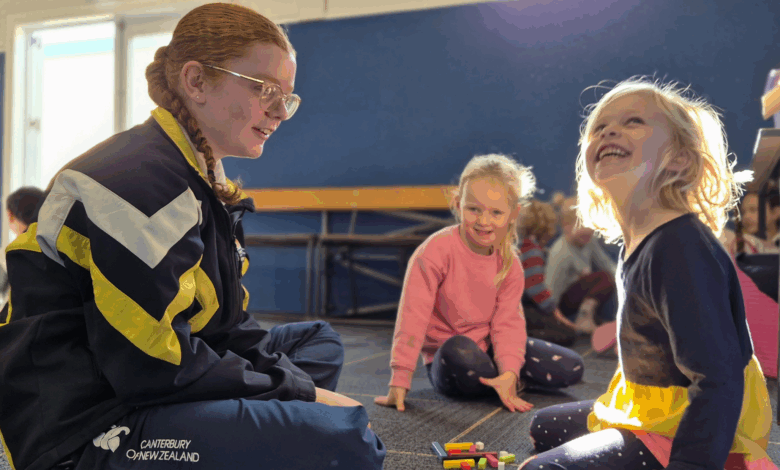
Hauiti works with classrooms at Gisborne Intermediate and Gisborne Central Schools. He visits the classroom to take a lesson, which usually involves teaching and mentoring each child in storytelling techniques such as posture, delivery, tone, voice modulation, and even a positive mindset.
Lessons involve Hauiti teaching the children a certain pūrākau, which they then work on until they are able to recite it and tell it themselves. The program also includes teaching ākonga how to respond if things don’t go according to plan, building resilience and teaching coping strategies.
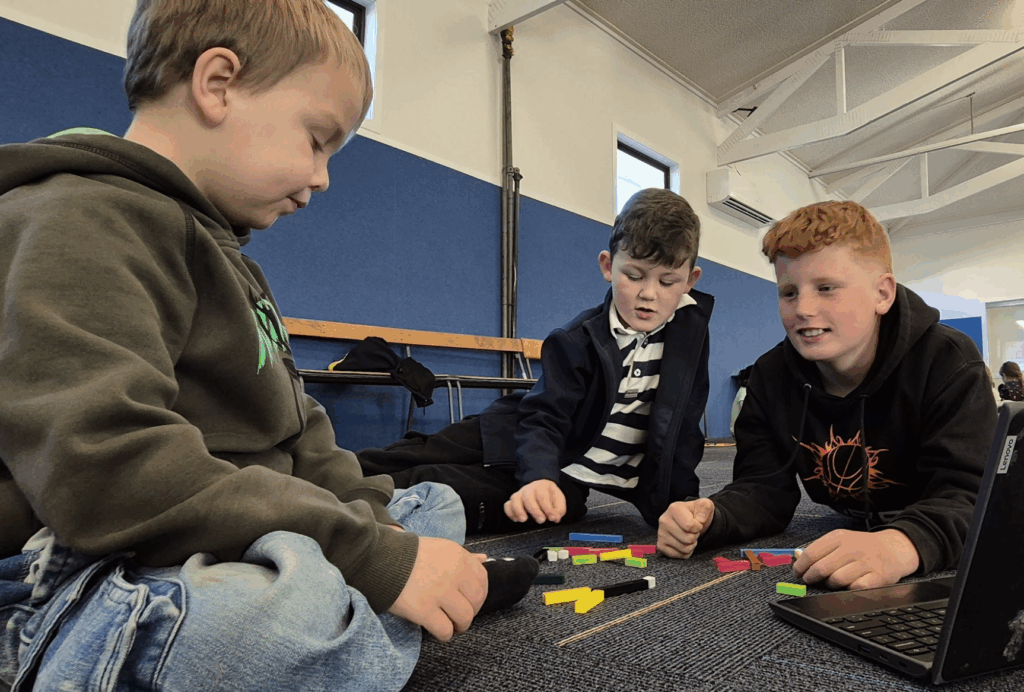
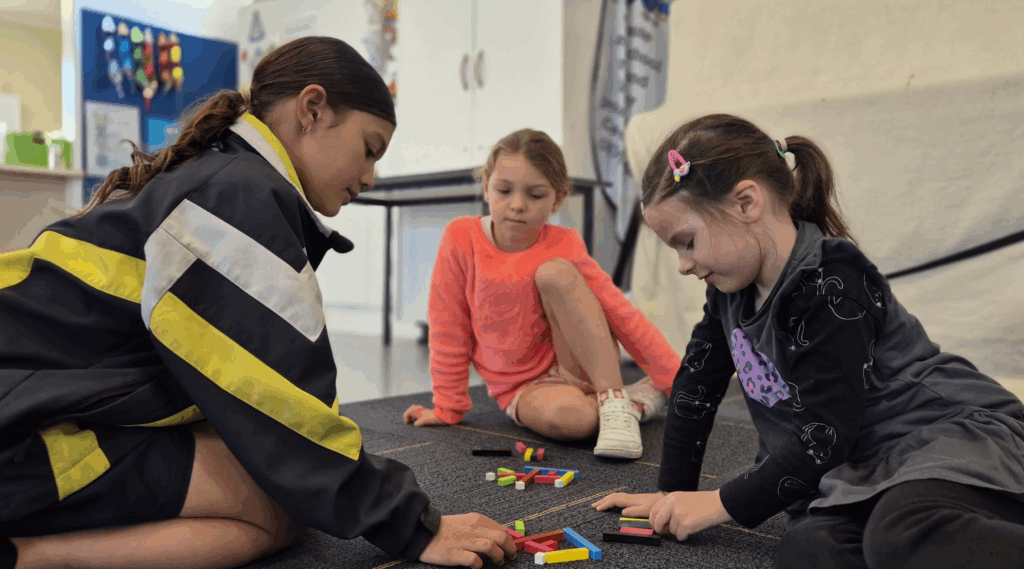
Ngā Ahikāpuni has its own assessment model, which begins as a spark, then progresses into warmer, hotter and bigger flames until the student meets the Ngā Ahikāpuni graduate profile. Ākonga are continually encouraged to reflect on their progress according to the rubric. There is collaborative and shared learning too—students are paired with one another to help develop their storytelling skills.
Additionally, Ngā Ahikāpuni has a professional development benefit for classroom teachers, who sit in on the session. They also learn how to deliver pūrākau Māori, and fulfil some classroom release time.
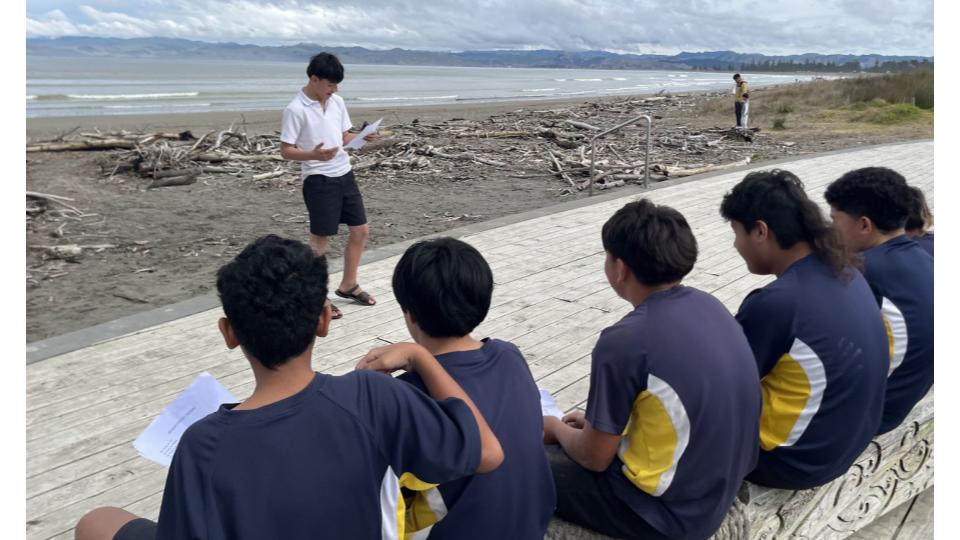
Hauiti says when students feel confident, a group then leads and deliver pūrākau at local primary schools. Besides developing leadership skills and confidence for the intermediate ākonga, the initiative also builds stronger relationships between Gisborne Intermediate and other kura.
The tuakana-teina model also helps to nurture younger students as they move through the education system. Hauiti says these relationships are especially important for ākonga about to transition from primary to intermediate.
“Students feel a lot happier and at ease because they have made some connections and relationships [at Gisborne Intermediate].”
Gisborne Intermediate Principal Andy Hayward says “The Tuakana-Teina model is critical to the success of the program… you really can’t beat the connection you see when students are working together.
“The student leaders gain a far deeper understanding of the nuance and power of storytelling, and it is wonderful to see their confidence grow throughout the program. Being a skilled orator is not just about telling the story, it is about how you hold the audience which compliments the way the learning is shared.
“Our student leaders working regularly in our contributing schools is a huge positive. It has helped foster positive relationships with those schools and given the students in those kura a positive first experience with Gisborne Intermediate students.”
Revisit School News‘ profile on Pakuranga Intermediate HERE
The spark that lights a flame
Hauiti says one of the biggest impacts of Ngā Ahikāpuni has been empowering learners.
“For me personally, it’s about giving the kids a voice. Sometimes we don’t hear our kids. We think because we’re adults, we’ve got all the answers. So the opportunity to actually speak their mind, to tell a story and to be the story has been huge in terms of confidence building.
“You can pull out the learning intentions, the morals or values or that stuff, but the biggest thing is how it makes them feel. Every week, the kids want to go back.”
One of the main schools Gisborne Intermediate is collaborating with through Ngā Ahikāpuni is Gisborne Central School. Deputy Principal Dylan Babbington says the program has brought huge value to their community, helping their students become leaders and fostering strong bonds between the two schools.
“It has been inspiring to see students from all ethnic backgrounds embrace this journey, with many stepping into leadership roles within the group. A key element of the program, championed by lead teacher Puri (Hauiti), is the emphasis on hono and whakawhanaungatanga whereby students are encouraged to form connections before sharing the pūrākau.”
Babbington describes the program as “mana-enhancing”, saying their students’ confidence has grown immensely, with pūrākau being shared between classes throughout the days and even school-wide at assemblies.
Stu Barclay, Principal at Gisborne Central School adds that the program has “done a great job of rekindling a love of storytelling, strengthening identity, and deepening connections to place.
“This kaupapa is also growing leadership and enhancing mana, giving our tamariki authentic ways to see themselves in stories.
“Our kura has grown immensely from being part of this program. The impact has been powerful—building greater connection, fostering wellbeing, belonging, and cultural pride through the art of storytelling.”
The power of pūrākau to connect students to te ao Māori and their rohe has rippled out through the wider community too, says Hauiti.
“What’s been cool is that those kids have been going home and telling their parents… and parents have been messaging me saying ‘man, we’ve walked up that hill for generations and we didn’t know that story.’”
Despite being in its infancy, Ngā Ahikāpuni has already garnered some interest from other principals around the country.
On a recent visit to Gisborne Intermediate, principals from Taranaki were regaled with a pūrākau, told by some of Hauiti’s students. Impressed by the students, some expressed interest in implementing the program for their own kids.
Now, Hauiti is looking at how Ngā Ahikāpuni can be developed into a professional development package, so the power of pūrākau can be shared with students across the country.
“I believe this could be really powerful across the motu to be honest with you,” says Hauiti, who cites the positive impacts of the program not only for Māori students, but for fostering hono (connection) across Aotearoa. He says some of their most receptive students have been non Māori, who say they have developed new understanding and appreciation for te ao Māori.
“I can see how beneficial it can be not just for the future of Māori but for the future of everyone. You can see what’s happening around the country at this moment, clashes around Te Tiriti o Waitangi among them. My great-great grandfather signed the Treaty in good faith and its important I follow suit. I believe the biggest issue is understanding. Many non-Māori don’t know our why. In order for them to understand, we need to educate them.
“We’re proud people, we’re the people of this land, and we can only foster understanding of that through teaching and learning.”
Want to share your school’s story with School News readers? Get in touch with our editorial team today!