
Fresh air, fresh thinking: Outdoor learning experiences for student wellbeing
External learning opportunties can help students reset and destress, improve academic performance and foster positive wellbeing

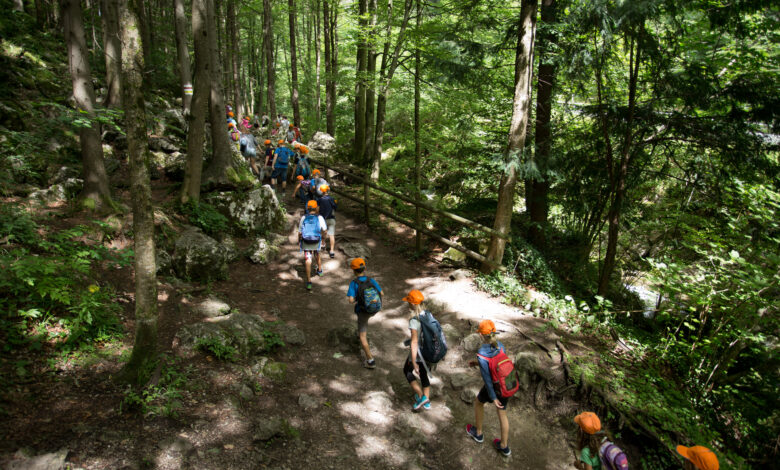
It’s a familiar scene in many schools: students sitting indoors for hours at a time, moving through tightly scheduled lessons.
Yet just beyond the classroom walls lies an often underused resource for learning and wellbeing: the great outdoors.
Read the latest print edition of School News online HERE
As schools continue to respond to growing concerns around student wellbeing, outdoor and experiential learning is gaining renewed attention. More than a break from routine, it offers a way of learning that naturally brings together movement, mental reset, and emotional development.
Outdoor environments invite movement without forcing it. When students are given space to explore and engage more freely, physical activity becomes part of the experience rather than something separate or structured. This can be particularly important for tamariki who feel disengaged from traditional sport, offering more accessible ways to stay active through activities such as bushwalking, outdoor games, or simply exploring natural environments.
Related School News story: The growing importance of museums for education
That physical shift often leads to a mental one. With so much of the school day spent indoors and on screens, even a short time outside can help reset attention and ease cognitive pressure. Research into time spent in green spaces has linked it to reduced stress, improved mood, and better focus, allowing students to return to their learning with greater clarity.
This growing disconnect from nature has been described as “nature deficit disorder”, highlighting how increasingly indoor lifestyles can impact attention, stress levels, and overall wellbeing. Stepping outside offers a simple way to counter this, creating space for students to slow down and reconnect with their surroundings.
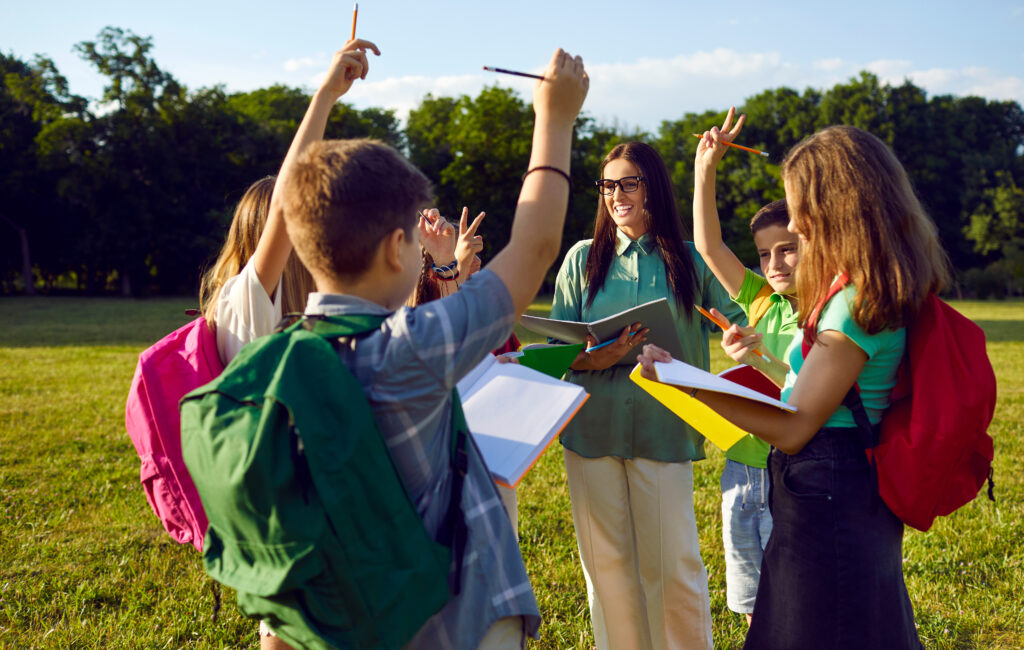
In outdoor environments, learning also begins to feel different. Moments of challenge, whether physical or practical, are often part of the experience. Working through these challenges can build confidence and a sense of achievement, helping students develop resilience over time. These benefits do not sit separately from learning, but actively support it.
There is strong evidence that this shift in environment can also improve how students engage with their academic work. Studies have found that outdoor learning is linked to improved attention and concentration, as well as stronger retention of information. A four-year study in the UK found that 94 percent of teachers reported improved student understanding, while 92 percent of students said they enjoyed lessons more when they were outdoors.
Related School News story: Confidence, curiosity and connection: School camps and excursions
At the same time, outdoor settings tend to open up more natural opportunities for connection. Without the usual classroom structure, students often collaborate more freely, building communication skills and a stronger sense of belonging.
Incorporating outdoor learning does not need to be complex. It can begin with small, intentional shifts that allow students to step beyond the classroom and engage more directly with their surroundings. Even brief time outdoors built into lesson plans can sharpen focus, with students often returning to class more attentive than before they stepped outside.
As schools look for ways to better support student wellbeing, outdoor learning offers a simple but powerful reminder. When students are given the space to move, think, and connect, they are often better equipped to learn as well.