Stemming the tide: The school’s role in combatting misinformation
From cute videos to playground rumours to AI deepfakes, misinformation is omnipresent and hard to pin down - so how can schools help?

Scrolling through Facebook’s Reels feature, it’s hard not to stop on a clip when it catches the eye.
This one is just 18 seconds long, and adorable. It looks like it has been recorded in a garden, probably somewhere in Europe, and shows a fox and a white duck joyously bouncing on a trampoline together; animals that should be predator and prey, enjoying a moment of pure fun.
Read the latest print edition of School News online HERE.
It’s cute, it’s extremely realistic, and it’s entirely AI generated. It has half a million views and hundreds of comments, from “They must both be well fed pets!” to “Aww, too funny” to “AI but really amusing”.
The clip’s title, ‘Fox and Duck Jumping on Trampoline’, does not disclose that it is AI, like many of the unlabelled videos from the same account which has 4.5 million followers.
There is nothing sinister about the video itself, but the number of commenters seemingly unaware that it is misinformation points to a deeper problem.
With many adults often unable to discern genuine content from misinformation, it’s no surprise that young people believe much of what they see, too.
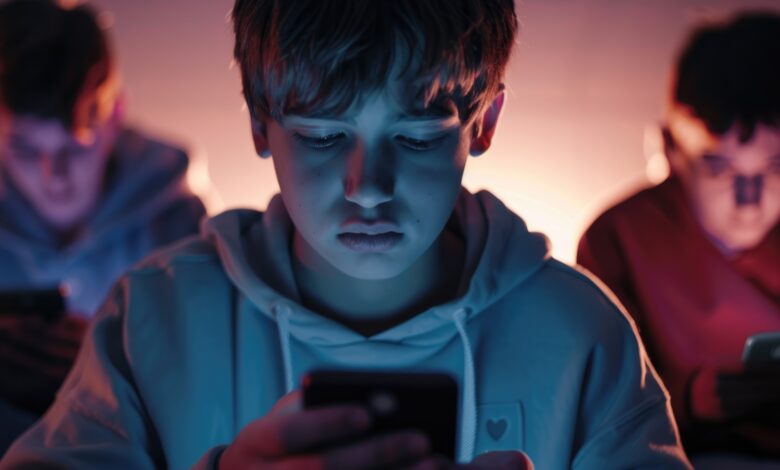
The tidal wave of misinformation in posts, images and videos shared on social media has flooded young people’s accounts, and educators are increasingly concerned about how to ensure their students aren’t falling for it.
What is misinformation?
One of the biggest complexities of so-called “fake news” is the huge variety of forms it can take. From cute videos to playground rumours to AI deepfakes, it is omnipresent and hard to pin down.
Generally, it is split into three distinct categories; misinformation, disinformation, and malinformation. Throughout this Special Report, the umbrella term ‘misinformation’ is used for conciseness to refer to any of this content.
The key differences are focused on the intent behind them, rather than the forms they take.
Misinformation, according to the New Zealand Government’s Keep It Real Online campaign, is information that is false but not intended to cause harm; that is, it is shared by someone who believes it to be true with no ill intent.
Disinformation, however, is deliberately false information created to harm.
Malinformation is sensitive or private data shared with altered context, such as data leaks.
Adding another layer is the varying types of content. According to American nonprofit First Draft, misinformation can have many structures, including images and captions or headlines not matching, impersonation of genuine sources, and content that was once accurate, but has been altered or manipulated.
Where is misinformation coming from?
Misinformation comes from a huge variety of sources. The original sources of misinformation can be anything from a Facebook post that presents the writer’s ideas as a fact, to well-intentioned Instagram videos conflating two non-related issues, to senior politicians posting misleading statistics on X.
From its source, it can spread unchecked by anyone who believes or is sympathetic to its message, or even those sharing it to question its accuracy.
Disinformation, in particular, is deliberately designed to be engaging. Messages are often short and simple, accompanied by exaggerated and attention-grabbing visuals.
Like much of the internet’s content, it is designed to make users stop scrolling to watch or read, regardless of their reaction to it.
In fact, as Australia’s eSafety Commissioner has advised parents of teens, negative reactions add more fuel to the algorithm’s fire than positive ones; ‘rage bait’ content is more likely to be engaged with than balanced, purely factual or even positive content.
Related School News article: New cyberbullying prevention toolkit launches for New Zealand students
Governments, international agencies and charities argue that the social media platforms themselves are responsible for the spread of misinformation within users’ feeds, but the incentive for the companies that own them to act is low.
Their success and profits are driven by time spent on, and engagement with, their sites, and misinformation is a substantial contributor.
For educators concerned about their students, though, the root cause is arguably less important than the impact it can have.
What’s the harm?
Some forms of misinformation do not appear to be harmful at first. The fox and duck video, for example, is not necessarily problematic in itself.
However, every false, misleading and inaccurate piece of content is potentially quietly eroding the sense of reality for young people, making critical thinking and reasoning more difficult at a time when their brains are just becoming fully grown and crucial pathways are being laid down.
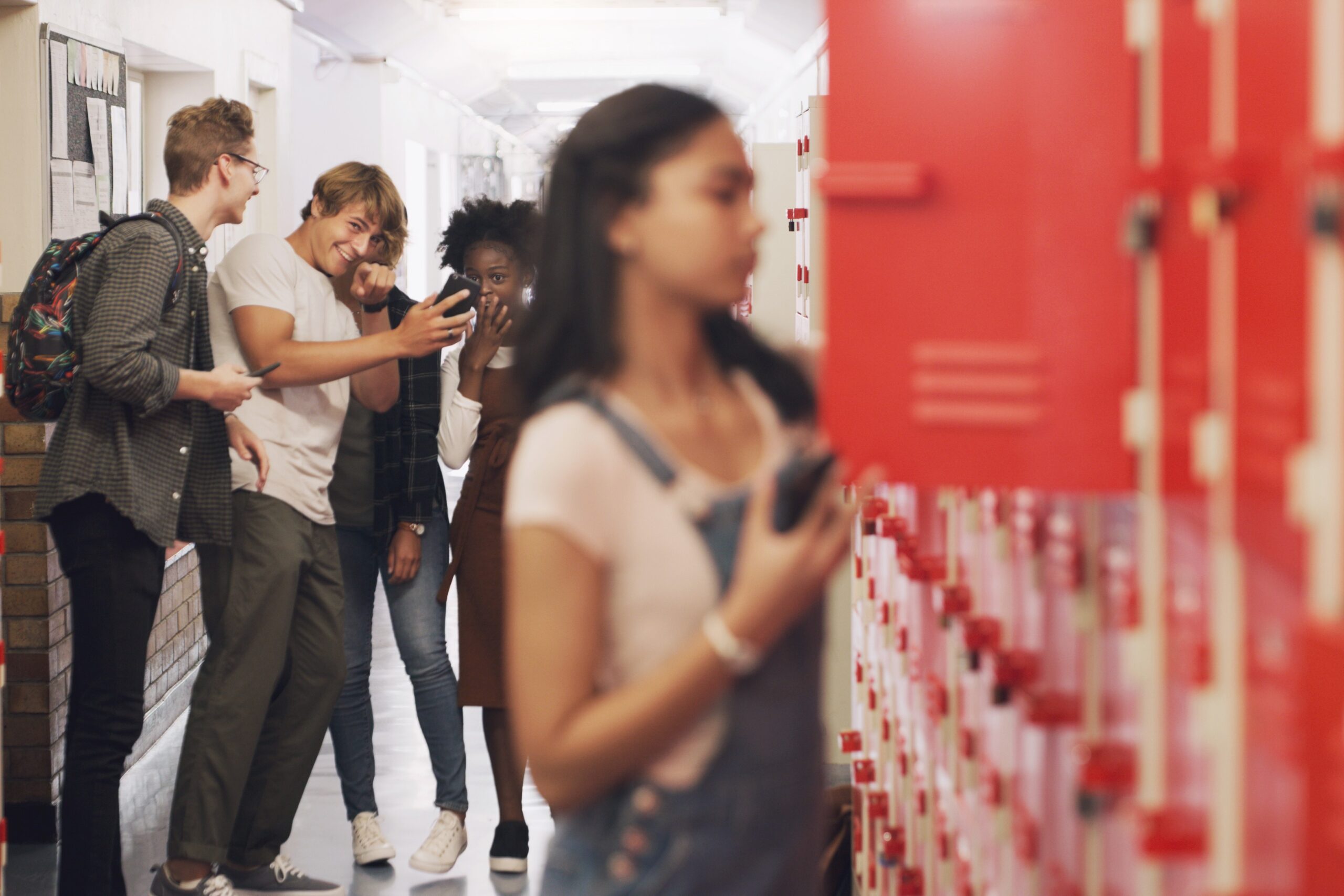
In the shorter term, teachers may be rightly concerned about misinformation being used in bullying, with the ease of spreading false information and the empowering anonymity of sharing information online. Then, there’s the potential for issues around body image and self-perception from digitally manipulated influencers.
Related School News article: SPARX: Supporting youth wellbeing
Misinformation can also be used to perpetuate negative stereotypes that fuel racism, homophobia, misogyny and other forms of bigotry. It can even accelerate extremism and radicalisation.
There’s also the potential for physical danger through the sharing of viral ‘trends’, promoting everything from pranks to making ‘skincare’ from unsafe products.
In the longer term, false health advice could lead to serious problems. Self-styled wellness influencers peddle advice that could deter young people from seeking help from a qualified healthcare provider, and can even sow mistrust of medical professionals and other authorities.
All of these things have the potential to spill into the classroom, but also to make life difficult for teachers, who may have to spend their time re-explaining basic scientific concepts about, for example, human nutrition or climate change, to students who have been told something different on social media.
What’s being done?
Young people are taking notice of the issue. A BBC survey found 66 percent of the 2000 young people surveyed were concerned about the spread of fake news and misinformation online.
However, the UK’s communications regulator, Ofcom, found that while 74 percent of children aged 12 to 17 said they felt confident in identifying misinformation, only 11 percent were actually able to do so when tested.
International efforts are being made to tackle the tide of misinformation; as well as Australia’s social media ban for young people, it also intends to interweave media literacy with its civics education.
The European Commission has a recently updated Digital Education Action Plan with practical guidelines for teachers, and in March, the UK government released its Media Literacy Action Plan.
In New Zealand, Netsafe has a range of teaching tools targeting digital literacy, including discerning real images from AI and deepfakes, spotting fake news and the ethical use of generative AI.

What can teachers do?
Studies give varying accounts of how long the average young person spends on their devices each day, but most agree on several hours per day.
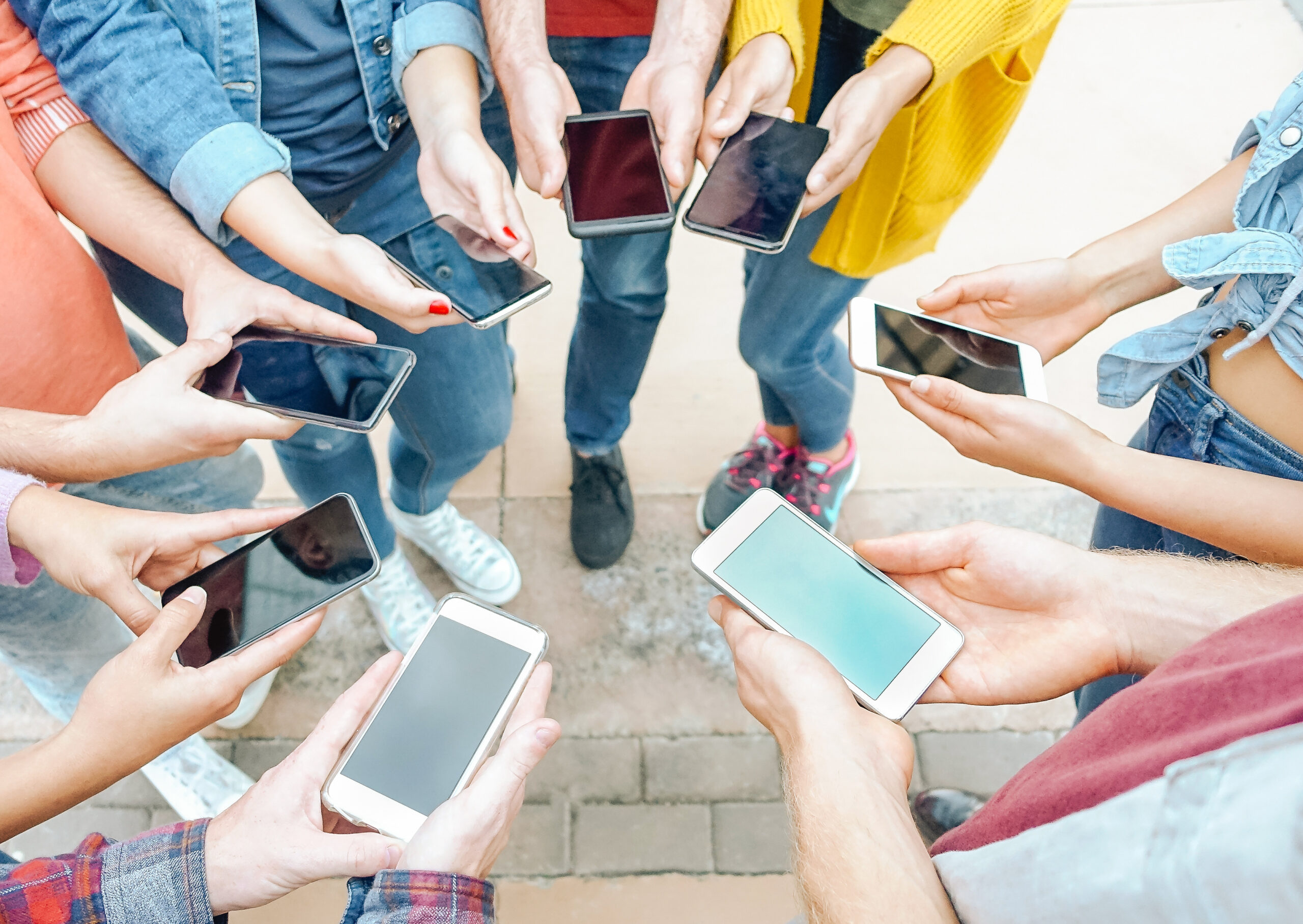
The American Psychological Association says US teens average 4.8 hours a day on social media alone and a survey for the Public Health Communication Centre Aotearoa put that time at 2.5 hours a day for New Zealand teens, but noted that around one third said they spent more than five hours a day on these platforms.
In the face of how much time ākonga spend on devices outside of school, it’s easy to feel that in-school interventions may not be enough to stem the tide of potentially harmful content and misinformation they are exposed to every day.
However, a recent research article, Tackling misinformation: where do educationalists need to target their efforts?, suggests that schools can, and should, play a critical role in helping students spot and process misinformation.
The article argues that there are three mindsets or skills that can be developed to positively impact how young people engage with the online world.
The first of these is termed ‘pragmatic prospection’; this is an open-minded ability to think about the future in order to make and work towards goals.
Encouraging students to think about their future can be expanded to include the kind of person they want to be, and the communities they want to build and be part of.
Then, there is the broadening of social networks, both on- and offline. Broadening the number and types of people that students are exposed to can help them engage with new ideas and widen their perspectives.
Finally, the report highlights the importance of developing critical thinking skills. These are a wide range of skills, including problem solving, information literacy, probability balancing and contextualisation.
The University of Auckland lists critical thinking as one of its key study skills, but it can be developed much earlier; Steve Pearlman, founder of The Critical Thinking Institute, argues that these skills can be developed from the very beginning of schooling.
The University suggests areas of focus, including being inquisitive and asking questions, being open minded and able to consider alternative options, recognising your own biases, being objective in evaluating information, and trusting your own sense over believing everything you read.
At least initially, these skills need to be discretely taught, but over time, students will grow to embed them in their thinking processes.
Is there any good news?
All of these useful steps— encouraging students to think about the future, broaden their social networks and think critically—are ones that educators are already taking across Aotearoa.
With a renewed focus and prioritising the context of misinformation, though, educators have huge potential to change students’ perspectives and help them to not fall foul of misinformation; a skill which they can carry through the rest of their lives.