


With anywhere between three and 20 percent of the population thought to have dyslexia, most classrooms in New Zealand are highly likely to have at least one student who requires additional support with reading and writing across the curriculum.
As understanding of dyslexia develops, an increasing suite of strategies are available to ensure barriers to learning are minimised. As well as teaching and assessment tools for day-to-day learning, there are opportunities for integrated learning practices and professional development courses to create a positive and inclusive classroom environment.
Read the latest print edition of School News online HERE.
Tomas Roberts from DTSL Assistive Technology said that approaches to supporting dyslexic students are improving.
“Supporting dyslexic learners has evolved over the past two decades, with schools now better equipped to recognise and respond to neurodiverse learners.
“Rather than viewing dyslexia as a barrier, many classrooms are shifting toward inclusive practices that allow all students to access learning in ways that work for them.”
Empowering learners through Structured Literacy
With Structured Literacy (SL) becoming a mandatory teaching approach, many kaiako will be considering how to support dyslexic students in literacy and across the curriculum.
Helpfully, the model works well for students with differing needs. The International Dyslexia Association recommends Structured Literacy as the most effective, evidence-based approach for teaching all students, including those with dyslexia, to read and write.
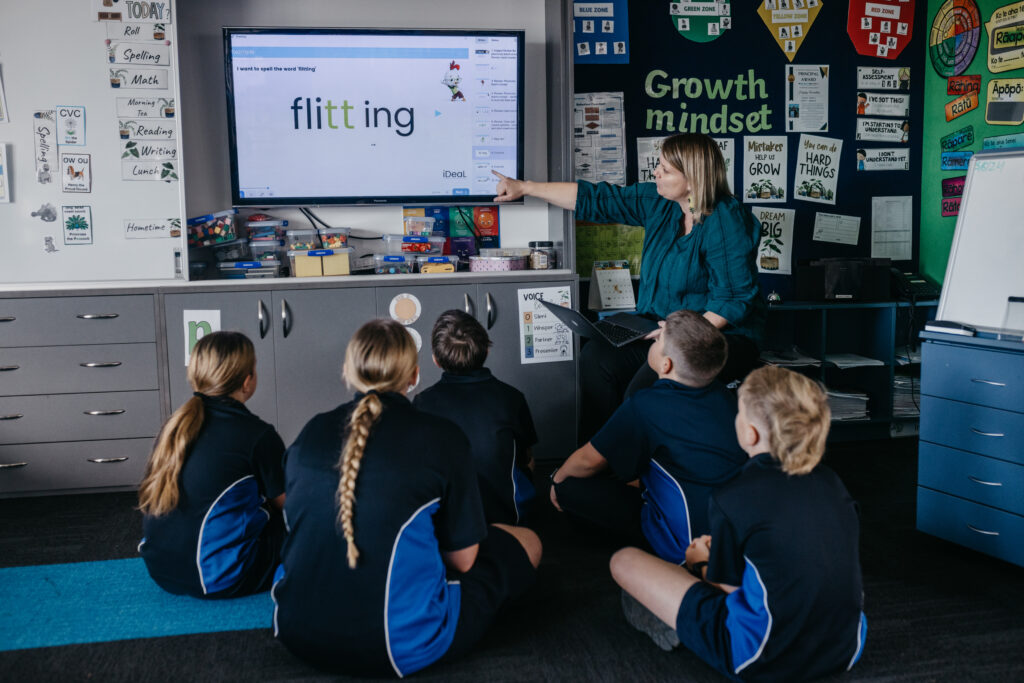
Carla McNeil, General Manager and Founder of Learning MATTERS said that SL is a proven approach for dyslexic students. “Structured Literacy aligns with what we know about how students with dyslexia learn. It is explicit, systematic, cumulative, and diagnostic, directly addressing the phonological and orthographic processing difficulties at the core of dyslexia.
“Skills are taught step by step, with sufficient practise and feedback, reducing cognitive load and supporting automaticity. This approach removes ambiguity and makes the structure of written language accessible.”
Ros Lugg, Founder of StepsWeb, agreed that SL works well for dyslexic learners. “Dyslexic students often face challenges with literacy, and this is largely due to difficulties with phonemic awareness, which is the ability to identify and manipulate individual sounds in words. This skill is critical for spelling unfamiliar words, which is why today’s emphasis on Structured Literacy is so valuable.
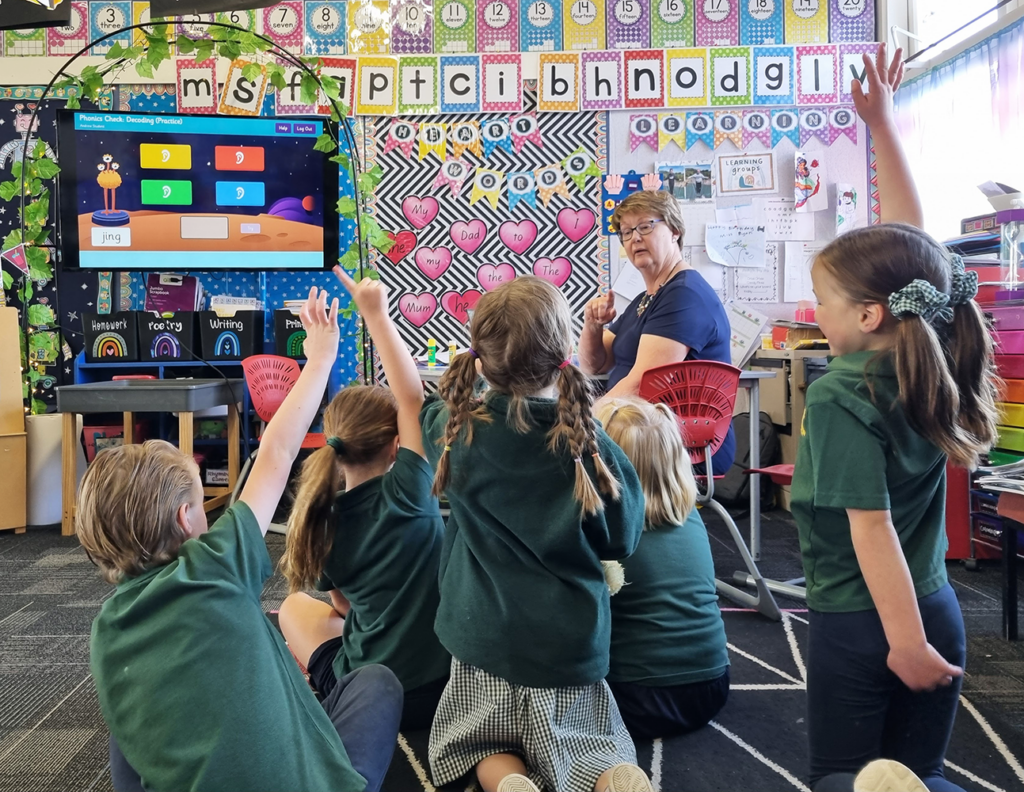
“By explicitly teaching encoding and decoding alongside developing phonemic awareness, teachers can give struggling learners the foundational tools they need. But decoding isn’t the whole story. Research shows that many dyslexic readers don’t automatically activate the brain’s Visual Word Form Area (VWFA). This area is the region responsible for instantly recognising words. Without using the VWFA, reading remains slow and effortful, with students reliant on conscious decoding,” Ms Lugg said.
Therefore, it is important that school staff understand the nature of dyslexia and the potential challenges that come with it. Professor John Everatt, advisor to the Better Start Literacy Approach, said the key feature of dyslexia is that word reading and spelling are acquired with difficulty. “There are additional features or consequences, but recognising foundational reading and spelling difficulties can lead to appropriate support. Teachers focusing on assessment and monitoring of reading and spelling should identify those who are struggling, leading to support that reduces challenges.
“Educators should look for Structured Literacy programmes specifically designed for our cultural context in New Zealand,” Professor Everatt said. “This is really important when we consider other contributing factors to students’ literacy success such as students’ motivation and interest in literacy learning. Strength-based approaches to Structured Literacy teaching that are culturally relevant for learners are vital.”

Supplementing the Structured Literacy approach
However, the whole-class SL approach may need supplementing with additional tools and programmes to support individual learners. Ms Lugg said that these tools are increasingly available.
“Luckily, technology is changing the game. Innovative tools can now detect whether a learner is engaging the VWFA and provide targeted activities to stimulate it.
“Even more importantly, these tools offer individualised reinforcement—and this is essential for dyslexic learners. Research shows that non-dyslexic learners only need to see a word one to four times before it’s stored in the VWFA. But dyslexic learners may need hundreds of exposures to the same word. In a busy classroom, that level of repetition is nearly impossible for teachers to deliver alone.
“The Structured Literacy approach is certainly the right foundation. Technology reinforces this and helps to create genuine fluency. Together, they offer dyslexic learners the best chance to thrive,” Ms Lugg said.
Deb Grover from The IT Education Company New Zealand (ITECNZ) said that which types of support are chosen should be informed by individual students’ needs.
“Targeted support based on valid and reliable identified needs and evidence-proven approaches and resources, can lead to significant progress for dyslexic learners.
“If one approach hasn’t worked, then schools must explore approaches and resources that have a strong foundation in evidence of efficacy rather than just relying on resources based on research.”
Creating a dyslexia-inclusive classroom
As technology advances, there are more options than ever to provide assistance to dyslexic students in and away from the classroom.
Mr Roberts said that implementing technology in the classroom doesn’t have to be complicated. “Some of the most effective supports are also the simplest. Tools such as text-to-speech, speech-to-text, word prediction, word banks and phonics-based supports reduce the effort required to decode and write text, allowing students to focus on ideas and understanding.
“Reading pens and OCR technology are practical options to enable students to scan printed text, hear it read aloud, check definitions, and record spoken notes. These tools are becoming more commonly found in schools, helping dyslexic students work more independently and confidently.”
Related School News story: How to support students to love reading
Choosing a combination of high-tech and traditional solutions could help achieve the best outcomes for tamariki, Mr Roberts said.
“The rapid growth of artificial intelligence is also changing how we all read, write and process information. Schools will increasingly need to adapt to a world where AI can draft, summarise and interpret text in seconds.
“For students with dyslexia, this offers powerful new ways to access content and express ideas. However, there will always be an important place for simple, reliable supports that strengthen core reading and writing skills, ensuring learners remain confident, capable and independent.”
The best tools for the job will depend on specific contexts, ages and learning levels in a classroom. Some simple strategies such as careful choice of fonts used on resources can benefit dyslexic and non-dyslexic learners alike by improving readability; research has found that Arial and Helvetica, standard fonts across many products, are potentially more readable for dyslexic students even than specialty ones.
Ms Grover said that integrating dyslexia-friendly practices into the classroom was as important as one-to-one learning opportunities.
“Research has shown that dyslexic students need teaching strategies and accommodations in the classroom as well as 1:1 remediation. All dyslexic learners can learn to read and write as long as evidence-proven explicit, systematic, and direct instruction methods are used and delivered at least three times a week.
“Software programmes that are adaptive, systematic and follow a Structured Literacy protocol, with a strong background of independently peer-reviewed research and efficacy, can supplement explicit instruction at school,” Ms Grover said.
“They also provide an excellent option for parents to collaborate with schools and to support their child at home. Appropriate software that places students at their appropriate level provide individualised supplementary instruction, especially when the teacher engages with the reporting aspects the software provides.”

Ms McNeil said digital tools are a great asset in the classroom. “Digital tools can support Structured Literacy by enhancing explicit teaching, guided practise, and feedback when they are aligned to a clear scope and sequence.
“Tools can be used to model skills, provide additional opportunities for practise and retrieval, and support progress monitoring. Importantly, some digital tools are designed to support explicit instruction itself, such as supporting teachers to explicitly teach word recognition and language comprehension in structured, responsive ways.
“Used intentionally, digital tools can strengthen instruction without replacing the role of the teacher.”
Getting support right for every student
There are many reasons other than dyslexia that a student may have difficulties with reading and writing, so screening and diagnosis of students is a key part of the puzzle to ensure that they get appropriate, targeted support.
Dyslexia can present in many ways, but the Yale Centre for Dyslexia and Creativity suggests some common signs.
Very young students may have trouble with recognising rhyming words, be unable to sound out CVC words, and show a reluctance to read. Older students may progress in reading more slowly than their peers, guess unknown words when reading and struggle to find appropriate words when speaking.
Some students may not display obvious signs, or only show strengths associated with dyslexia, including resiliency, creativity and a high capacity to learn. Universal screening can be used to identify students who may have dyslexia and need additional support, and carefully chosen assessment and screening tools can significantly streamline this process.
Ms Grover said that schools should be encouraged to use the Response to Intervention framework in selecting evidence-proven assessment tools to identify teaching and learning needs. This uses three tiers to target support: Tier 1 – Universal Screening, Tier 2 – Targeted Assessment, and Tier 3 – Individualised Assessment.
“Assessments that are delivered online and have standardised automated reporting, save significant time, and the knowledge required to appropriately identify learning difficulties, improving effective assessment practice,” Ms Grover said.
Ms McNeil said Tier 1 learning is an important foundation for dyslexic students. “Tier 1 Structured Literacy ensures that dyslexic students are taught in ways that align with the science of how the brain learns to read. It provides the most effective and efficient foundation for literacy because it explicitly teaches the word recognition and language comprehension skills required for reading and writing.
“While some students with dyslexia will need additional and more intensive support, high-quality Tier 1 instruction gives them the strongest possible starting point.
“When implemented well, it ensures students are explicitly taught how to get words onto and off the page, while also developing vocabulary, background knowledge, inferencing, and verbal reasoning needed for comprehension across the curriculum.”
Giving teachers the tools for success
School staff must be well equipped to implement the Structured Literacy approach, as well as any specific interventions for dyslexic students, Professor Everatt said.

“Students with dyslexia typically benefit from explicit and structured teaching of phonics/decoding skills and the linking of these skills to word meaning/reading practice. Professional development (PLD) that supports teachers in understanding how to teach these core skills to all students is vital.
“Identifying those with specific difficulties is easier when we know that all have been taught these foundational skills at Tier 1. Assessment tools linked to these core literacy skills should then identify those with difficulties. This can be used to provide group support (Tier 2) or individualised intervention (Tier 3). Good PLD will help teachers understand what to do at each stage, and how the stages are interlinked.
“I would advise teachers to look for PLD that has proven effective in enhancing teachers’ knowledge and in accelerating students’ literacy learning within Aotearoa New Zealand.”
With the right combination of staff training, tools and classroom practices, schools can offer tamariki with dyslexia the chance to not only learn alongside their peers, but to thrive. Whilst there is no ‘one size fits all’ approach, taking the time to help students with their needs and assist them with their strengths can yield huge rewards for everyone.