Education outside the classroom opportunities for 2026
Whether it's school camps & adventure activities, visiting museums & galleries, or an incursion, some great memories are formed during EOTC.

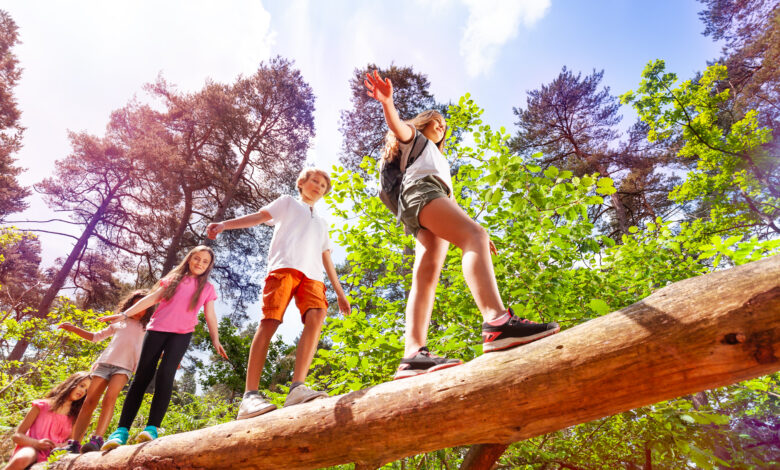
Students form some of their best school memories through education outside the classroom.
Whether it’s a trip to your local art gallery, an excursion to a zoo or wildlife park, a visit from an adventure or challenge provider, or a multi-day camp, EOTC is a powerful tool for strengthening and reinforcing classroom learning.
Read the latest print edition of School News online HERE.
Compliance and planning
Careful planning is the key to a successful EOTC learning experience. Ensure students have the necessary permission to take part in activities, and that a risk assessment has been undertaken. Your planning should cover both school policies, as well as Ministry of Education standards.
SafetyNest streamlines EOTC safety and compliance across all school activities—from classroom events to camps and excursions. Schools benefit from a centralised, easy-to-use platform that covers risk management, incident reporting, staff oversight, and administrative visibility.
Schools can plan, review, and securely store RAMS and SAPS using built-in or customisable templates. The templates help ensure no risk factors are overlooked and allow integration of previous events plus required signatures and approvals.
With built in partnerships with New Zealand school leaders and auditors, SafetyNest is fast to learn, aligned with NZ education regulations, flexible for different school sizes (including multi-site operations), and backed by local expert support.
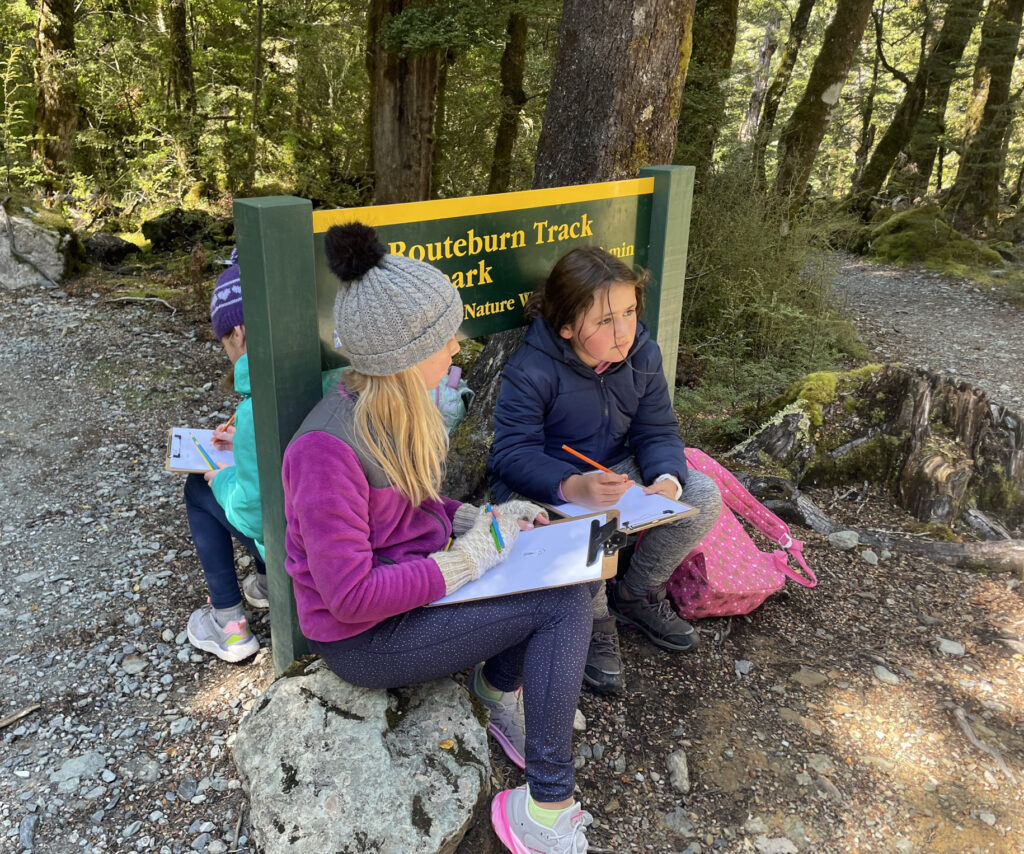
Zoos and wildlife parks
Excursions to zoos and wildlife parks expose students to a range of animals and their habitats, helping to reinforce classroom learning on animals, as well as conservation and environmental protection, and care and empathy for living creatures.
Read School News‘ 2026 EOTC supplement online HERE
A study from the US National Library of Medicine found that guided tours of zoos raise students’ connection to nature, including an interest in plants and animals. The benefit was most pronounced in tamariki with an initially low or medium level of connection to nature.
Zoos and wildlife parks play an important role in the care and conservation of many species, some of which are endangered. Often, parks are set up in the animal’s natural habitat, with ample space for them to roam and explore.
Many zoos and wildlife parks also act as animal hospitals, caring for sick and injured wildlife. And with climate change and sustainable practices front of mind for many young people, zoos and wildlife parks provide an important site for conservation learning, helping to empower the next generation to take control of the planet’s health.
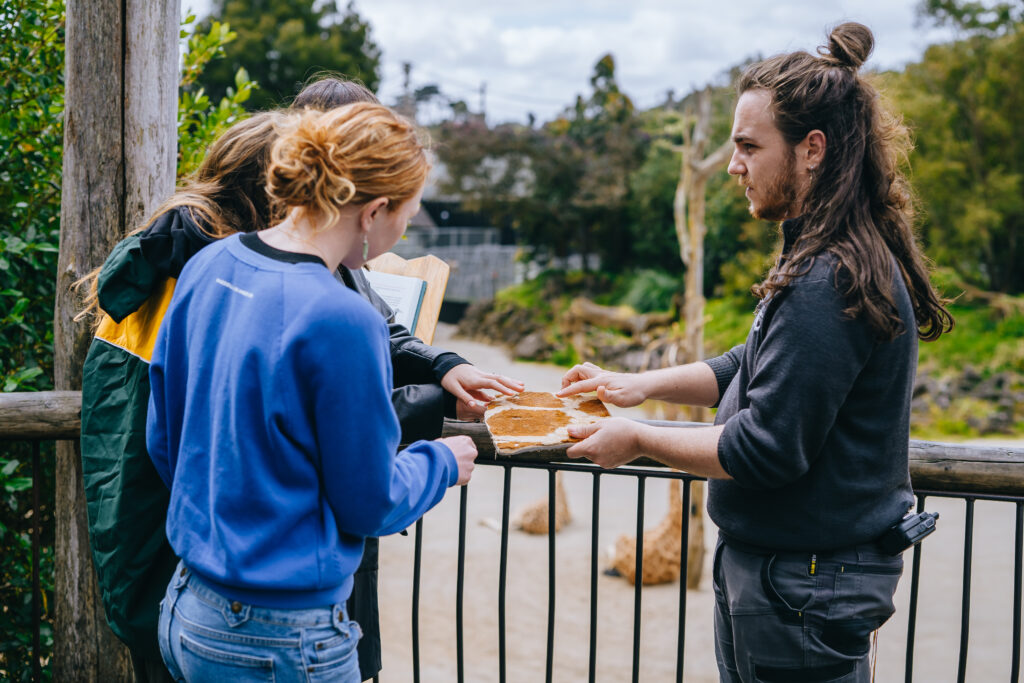
The Conservation Learning team at Auckland Zoo offer specialised school sessions to kickstart conversations around kaitiakitanga to help kaiako/teachers shape class or school values for the year—like respect, responsibility, and stewardship. Sessions on offer include Sustainability, Awesome Aotearoa, and Protecting Aotearoa.
Awesome Aotearoa dives into the uniqueness of Aotearoa’s native species and ecosystems and is a great way to build a sense of connection and pride in Aotearoa. Protecting Aotearoa is more action-focused, showing students how they can be guardians of nature in practical everyday ways—from activities like pest control and planting native flora to benefit native taonga.
These onsite sessions at the Zoo aren’t just about learning facts—they’re a fun way to explore how we as humans are part of te taiao (the natural world) and how in caring for each other and for wildlife and wild places, we all benefit.
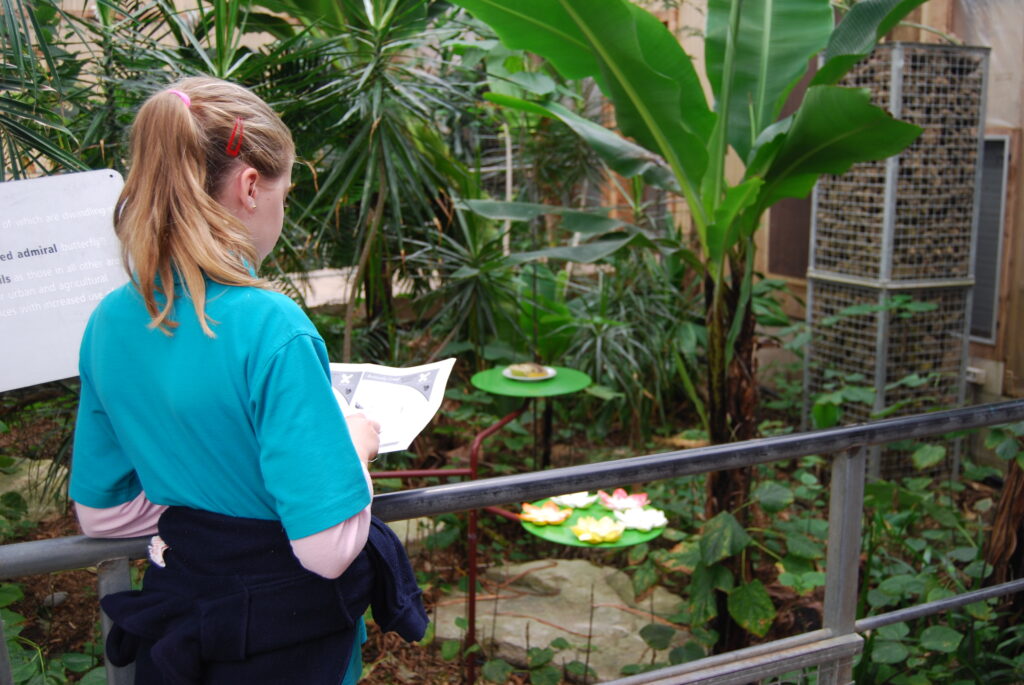
Butterfly Creek believes that real world experience is essential to building connections between what students learn in the classroom versus what they see outside the classroom. An educational trip to Butterfly Creek allows children to grow their minds and interact with animals and insects.
The onsite keeper talks are designed to be informative, educational, and cater to all school age levels. They are a great way for children to ask questions and learn from the expert keepers who look after the animals at Butterfly Creek. Whether your students are learning about New Zealand’s native kiwi and wētāpunga or learning about butterflies, dinosaurs, small reptiles or eels, there is a topic for every school to engage young minds and develop curiosity.
To help support learning before and after your school trip, Butterfly Creek offers free educational resources on its website. From worksheets to activity sheets, there is a range of free resources to choose from to help extend children’s learning.
Students can also watch animal encounters, where trained keepers talk about different animals and insects. These quick, five-minute encounters are great additional learning opportunities around the park.
Learning through activity
Hands-on activities are an exciting way to strengthen student learning. Research demonstrates that students who are involved in real-world learning activities have stronger engagement with learning and retention of information.
Learning through activities can improve students’ soft skills, like communication and teamwork. Some activities can also encourage safe risk taking, pushing students outside their comfort zone and challenging them to try new things.
Many providers offer onsite learning activities, bringing the fun to your school.
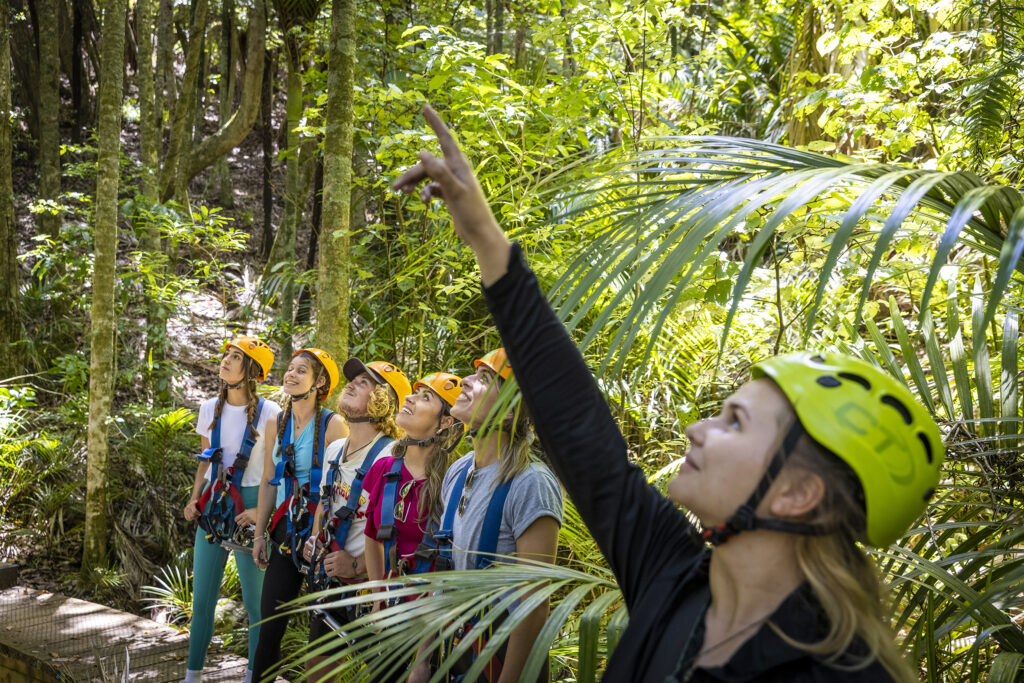
EcoZip Adventures delivers curriculum-based outdoor learning on Waiheke Island and in Kaikōura, with programs designed for intermediate and secondary schools, and international student groups. Each visit combines the excitement of ziplining with a guided exploration of native forest, giving students the chance to apply classroom learning to real-world contexts across science, ecology, geography, tourism, business studies, physical education and cultural studies.
Both locations cater for a wide range of group sizes, with discounted education rates and flexible scheduling to fit around timetables or broader itineraries. Programs can be tailored to support specific learning outcomes, and EcoZip staff work with teachers to co-design content that complements desired learning outcomes or objectives.
On Waiheke, schools can select set packages or build bespoke programs that may include native tree planting. In Kaikōura, programs can also highlight coastal ecology and marine conservation.
Read more EOTC articles on School News HERE
Experienced guides provide interpretation throughout both the adventure and forest-based elements, linking the physical experience with educational themes. All activities meet New Zealand safety standards, allowing staff and students to focus on learning outcomes.
EcoZip offers a practical balance of outdoor activity, environmental education and cultural context, with a hands-on way for students to learn, reflect and connect with the world beyond the classroom.
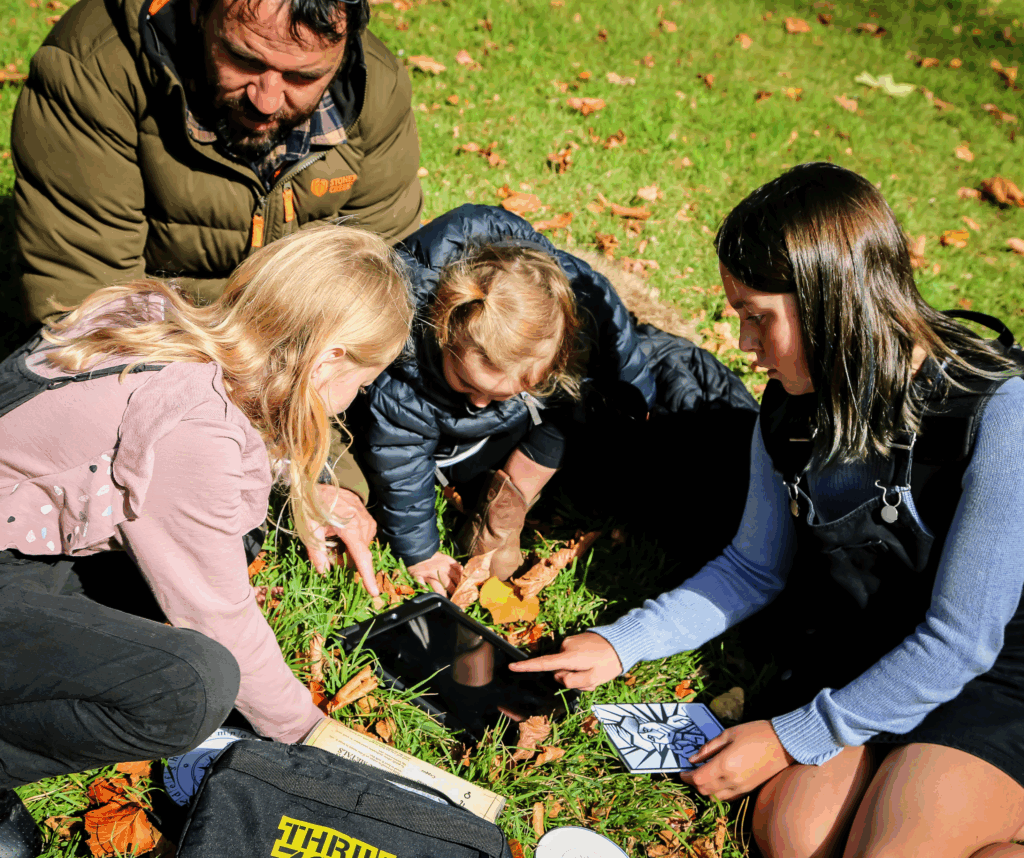
Thrillzone specialises in turning learning into an unforgettable adventure for school groups. The School Escape Adventure combines the thrill of a scavenger hunt, the teamwork of an escape room, and the innovation of augmented reality. Designed for Years 4 to 13, Thrillzone games challenge students with puzzles and riddles that align with curriculum areas such as STEM/STEAM, literacy, and problem-solving.
Each storyline—Operation Mindfall, Magic Portal, and Blackout—places students at the centre of exciting missions, from stopping hackers to saving the world from magical creatures. Games are available in different levels of difficulty, ensuring engagement across a wide range of ages and abilities.
Thrillzone come directly to your school or camp and organise everything for you. Facilitators bring all equipment, set up the experience, and guide students through the adventure. All Thrillzone staff are police and background checked, and have undergone specialised training to work with children, ensuring a safe and supportive learning environment. Sessions are flexible and can be scheduled to fit seamlessly into a school timetable, with options to run indoors or outdoors depending on your space.
Teachers consistently highlight the teamwork, creativity, and critical thinking skills fostered during the activities, while students love the challenge, fun, and collaboration.
Bigfoot Adventures offer schools EOTC programs and camps that challenge, inspire, and empower students. Bigfoot Adventures brings safe, exciting adventures to schools and groups of all ages.
From transport and catering to activity plans, site management, and all the paperwork in between, Bigfoot Adventures works with your school every step of the way. Being 100 percent mobile means the team can offer a huge range of activities within your school, chosen camp, or any location you desire.
Their Duke of Edinburgh Award experiences are fully supported and tailored to meet the needs of each group— whether it’s their first tramp or they’re preparing for Gold level expeditions. Bigfoot Adventures take care of logistics, safety, and delivery, so you can focus on the journey your students are making.
With more than 30 years’ experience, Bigfoot Adventures know how to create meaningful, safe, and fun outdoor experiences that align with your school’s values, budget, and learning goals.
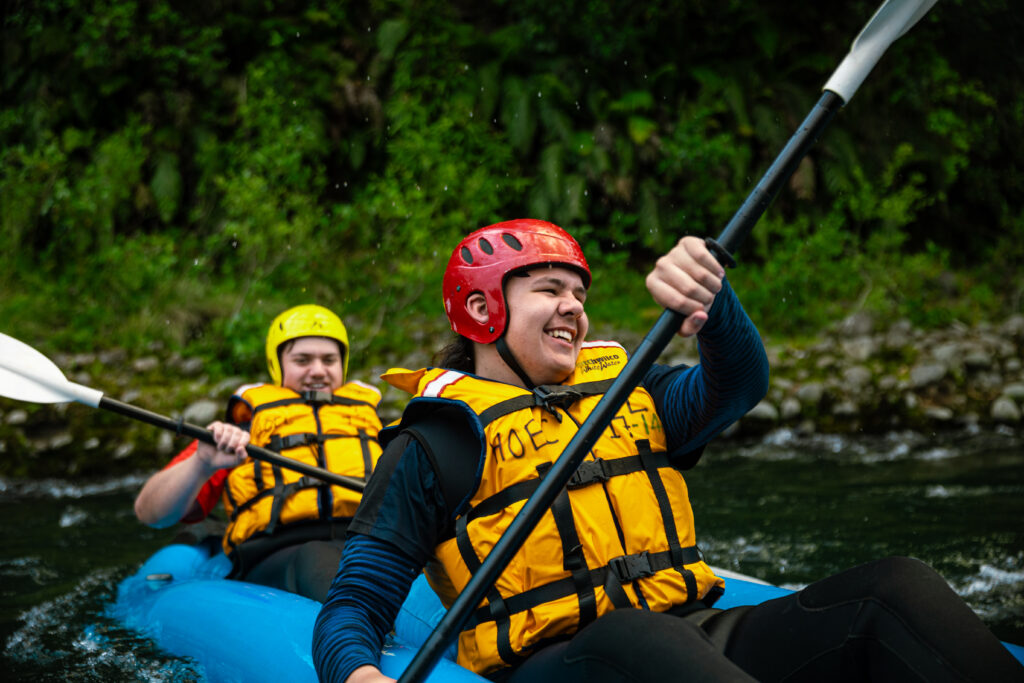
Hillary Outdoors create immersive outdoor experiences that help students develop confidence, resilience, and leadership skills in a real-world context.
The residential multi-day, multi-week and multi-year programs are delivered from two stunning centres, Tongariro and Coromandel and are co-designed with schools to meet specific learning goals. Whether your focus is on building student relationships, growing leadership, or fostering personal development, Hillary Outdoors work with you to create meaningful experiences that last beyond the trip itself.
Groups of 10 students, accompanied by a teacher or school adult, are guided by experienced instructors. These small groups allow for strong peer and adult connections and create space for deep, supported learning. This model enhances not only personal growth but also social and emotional development, which is a key outcome of EOTC.
Many of Hillary Outdoors’ programs allow students to gain NCEA unit and achievement standards, combining physical challenge with educational value and giving students a tangible outcome for their efforts.
Students return from Hillary Outdoors with stronger self-awareness, increased confidence, and a renewed excitement for learning. The impact on both mental and physical wellbeing is profound, helping young people thrive in school and in life.
By bringing education into the outdoors, Hillary Outdoors is helping students discover their potential, one challenge, one connection, one moment at a time.
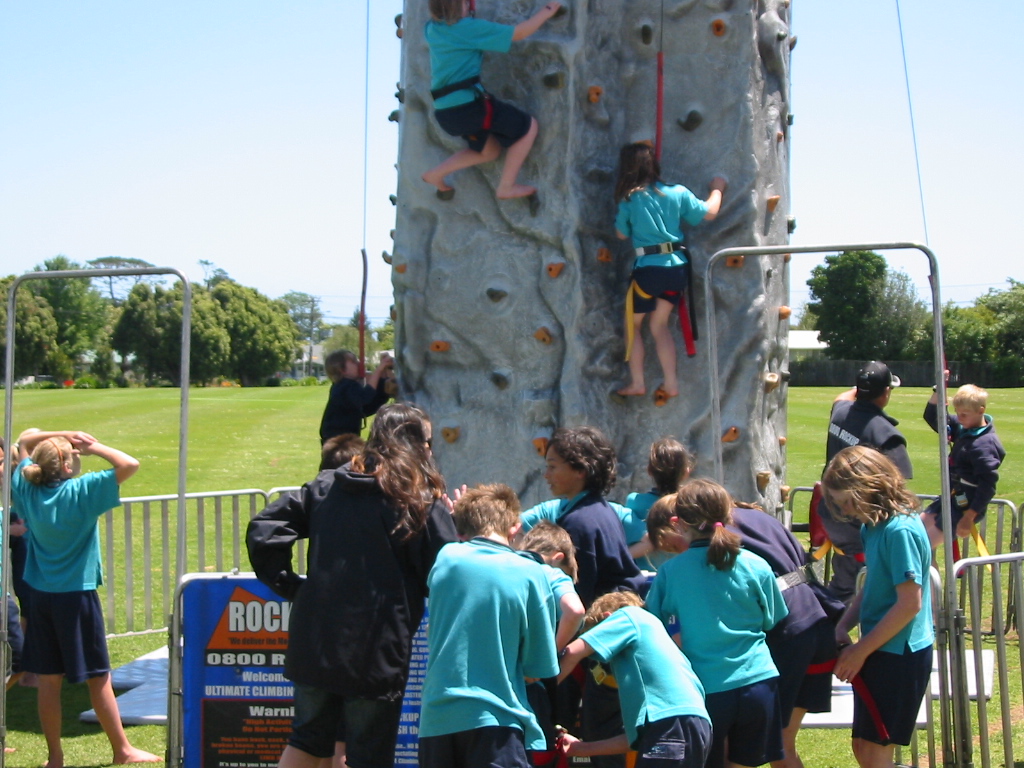
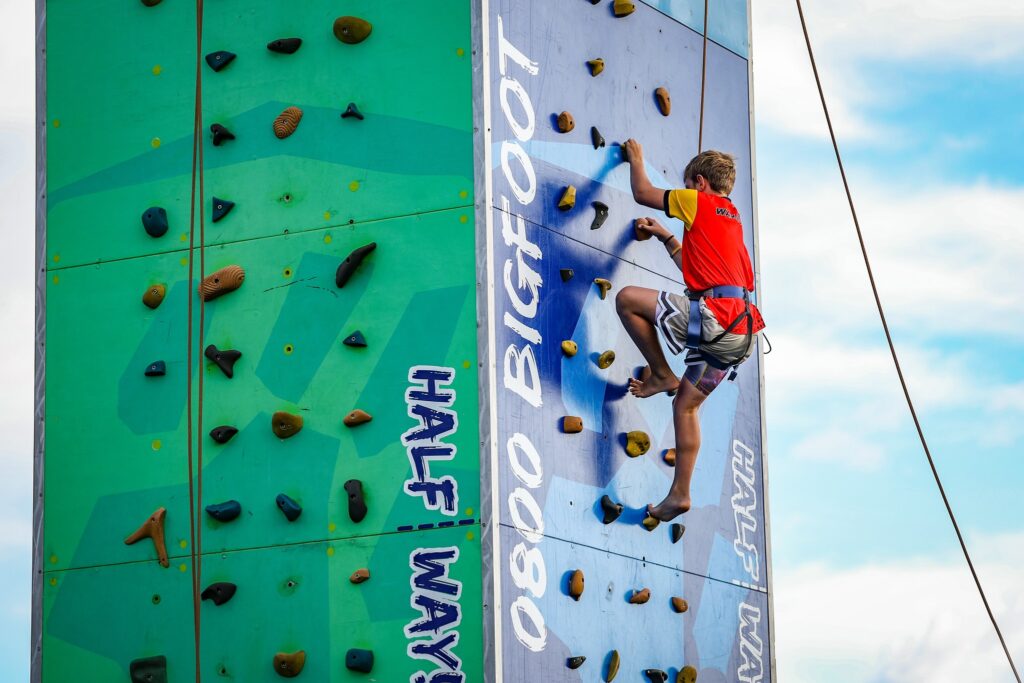
The team at ROCKUP deliver portable rock-climbing walls, archery, ABL initiatives, and interactive challenges directly to your school or camp. By bringing the mountain to you, ROCKUP reduces travel costs and compliance hurdles, making outdoor learning accessible and affordable.
ROCKUP programs are grounded in team-building principles. Students set goals, work in buddy groups to manage harnesses, encourage one another, and reflect on safety, responsibilities, and consequences. With multiple turns built into each activity, learning is reinforced through doing, while confidence and self-esteem grow naturally by achieving goals.
Climbing and challenge activities engage all learning styles—visual, auditory, and kinesthetic—making them a valuable tool for holistic development. Whether it’s scaling the eight-metre mobile wall, archery, kayaking, or ABL team challenges, every student experiences achievement in a safe, controlled, and supportive environment.
ROCKUP’s mission is clear: to create resilient, confident learners through shared challenge and success, all without leaving school grounds.
ROCKUP also offers curriculum-linked programs, using the auto-belay pulley system to explore concepts such as pulleys and levers, providing students with hands-on, integrated learning opportunities.

Christchurch Attractions offers multiple educational experiences for school groups.
Climb aboard the Christchurch Tram and turn the city into a moving classroom. As students’ journey through the central streets, they see history come alive in the architecture, landmarks, and stories shared along the way. The tram isn’t just transport; it’s a lens into how Christchurch has grown and adapted through time. From tales of resilience to examples of innovation, the experience gives students a living context for history and social science, encouraging them to question, reflect, and connect learning with the world around them.
The Christchurch Gondola takes learning to new heights. With 360-degree views, these vistas provide the perfect springboard for discussions about geography, geology, and the environment. Interactive displays at the top station, including the popular Discovery Ride, deepen understanding of the region’s volcanic past and unique landscapes. Students can continue their learning with the Scan & Learn site, by scanning QR codes around the summit station to access further insights into the sights and stories they encounter.
The lessons gained on these experiences extend well beyond the excursion itself—inspiring curiosity, critical thinking, and connections that students carry into everyday life.
Museums and galleries
With fake news and misinformation pervasive problems, and in an era where online sources dominate museums provide a point of truth. Objects held in a museum’s collection can be confidently viewed and understood by students to be the real thing.
This means incorporating museum visits into your teaching can help students appreciate the value and importance of seeking out real-world sources, particularly primary sources, and not simply relying on the internet.
Similarly, educators at museums can be trusted as sources of accurate, reliable information. Many museum educators devote their professional life to studying a certain topic, becoming experts in their field. Their knowledge will often be deeper than a teacher’s, meaning they can enrich student learning in a way a classroom teacher cannot.
More than this, the dedication of museum staff can help students witness and understand the value of lifelong learning. In turn, this may spark their own lifelong learning journey.
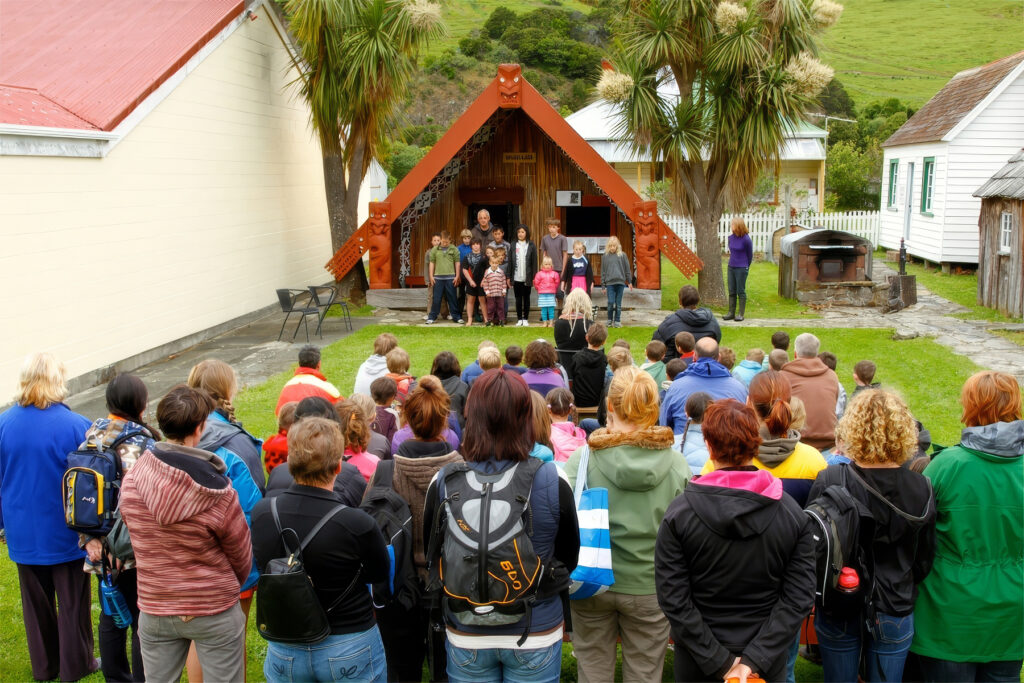
Okains Bay on the eastern side of Te Pātaka o Rakaihautu Banks Peninsula has been described as one of the most idyllic places on earth. Each year, school groups make the ninety-minute drive from Ōtautahi Christchurch to experience the distinctive learning destination of Okains Bay Māori and Colonial Museum.
Prior to each visit, Visitor Hosts liaise with teachers to facilitate access to collections of taonga Māori, colonial artefacts and onsite heritage buildings. This entire precinct is an ideal setting for teachers to align hands-on activities with curriculum learning areas and activate the new Understand, Know and Do framework in Aotearoa New Zealand’s histories content.
Located within the takiwā of Te Rūnanga o Koukourārata, museum themes include tikanga Māori, bi-cultural relationships and intermarriage, early rural life and enterprise, engineering and invention, food gathering and cultivation, geology and environmental impact, pounamu trails and trading, body adornment, and early colonial traditions.
For teachers looking to promote critical thinking—and self-directed or peer-to-peer learning—students at all levels will be inspired to create original content and express themselves through a range of media from written stories and photography to filmmaking, digital animation, performance, design and object interpretation.
Offering comfy bunks, cooking facilities, showers, toilets and a kitchen/dining room, groups of up to 18 can be accommodated for an overnight stay in the historic Akaroa grandstand. For larger groups there is space for students to bring and pitch their own tents.
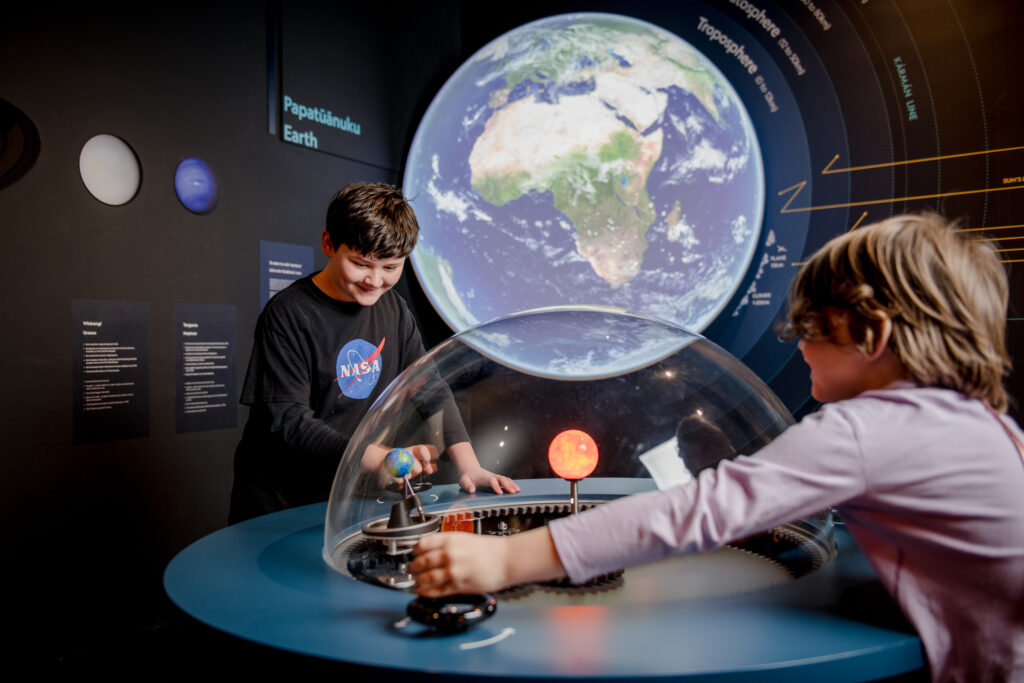
Te Whatu Stardome Observatory & Planetarium, based in Tāmaki Makaurau Auckland, is committed to ensuring that astronomy, mātauranga Māori and cosmological science are shared with integrity and honour. The team aim to inspire curiosity and inquiry in the minds of rangatahi and allow them to explore the interconnections between people, Earth, and the cosmos.
Stardome wants young people to ask the big questions—what else is out there? How far can we go? How did it all begin? The team want everyone to look up, feel small, but think big.
Stardome offers activity-based learning in the classroom, time in the Space Gallery & Exhibits area, and a planetarium show in the 360-degree theatre. This immersive experience brings to life the concepts and ideas of astronomy and space exploration and gives context to what students are learning in class.
Sessions with a Stardome Educator are 90 minutes or 60 minutes for ECE. Stardome is a recognised ELC provider, and its education program is driven by learning objectives that align with te marautanga (the New Zealand curriculum).
A trip to Stardome supports your class plan by showing ākonga the fundamental principles of astronomy, how amazing space is, and how precious our Earth is.
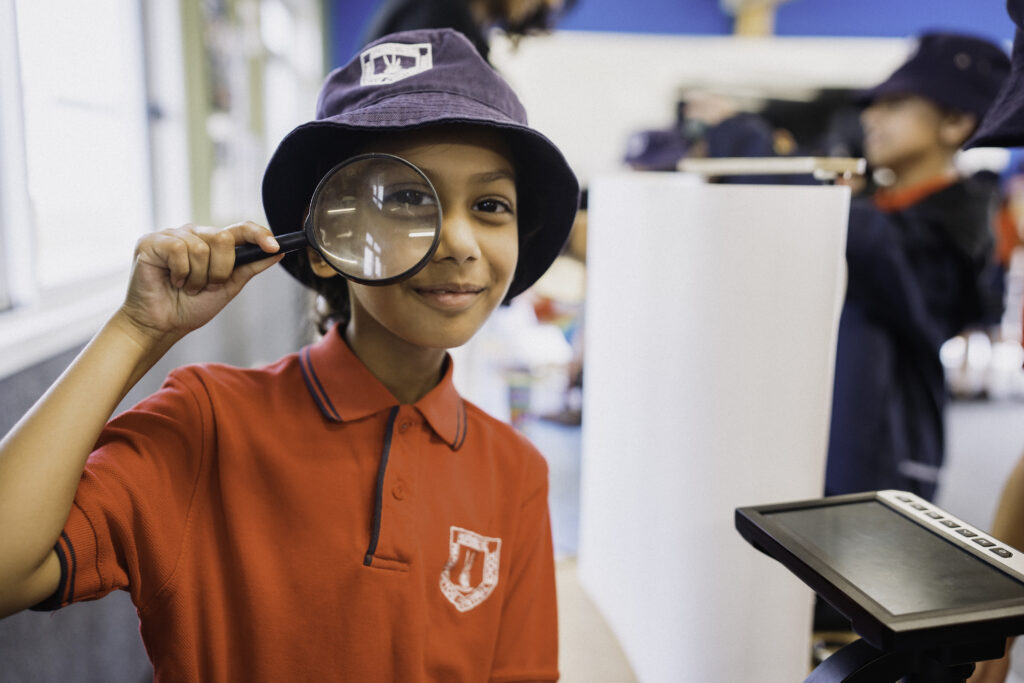
The beginning of the year is an important time for class team building and MOTAT’s team of qualified educators can provide your students with engaging hands-on, minds-on EOTC STEAM experiences at their museum, and their STEAM Cell resource trailers provide exciting in-class experiences.
Whether you are looking for an out-of-school visit including rich experiences and inspirational activities or an education program delivered at your school, MOTAT can provide customised learning opportunities for you and your students.
Start Term 1 with team work and collaboration for your class with the new program, MOTAT Mysteries—a forensics-based program that provides opportunities for tamariki to develop leadership skills and core competencies while they’re solving a mysterious MOTAT-themed machine malfunction.
With a range of programs covering topics from Design Thinking and Digital Technologies to the Science of Sound and Electricity, MOTAT has something to suit all learning objectives.
School camps
School camps bring together the benefits of many EOTC activities—providing hands-on learning opportunities, helping to build teamwork and communication skills, and giving students access to education experts beyond their classroom teachers.
Camps can be tailored to suit your school group, with age appropriate activities, and suitable accommodation.
Related School News article: Using Te Whare Tapa Whā in outdoor adventure programs
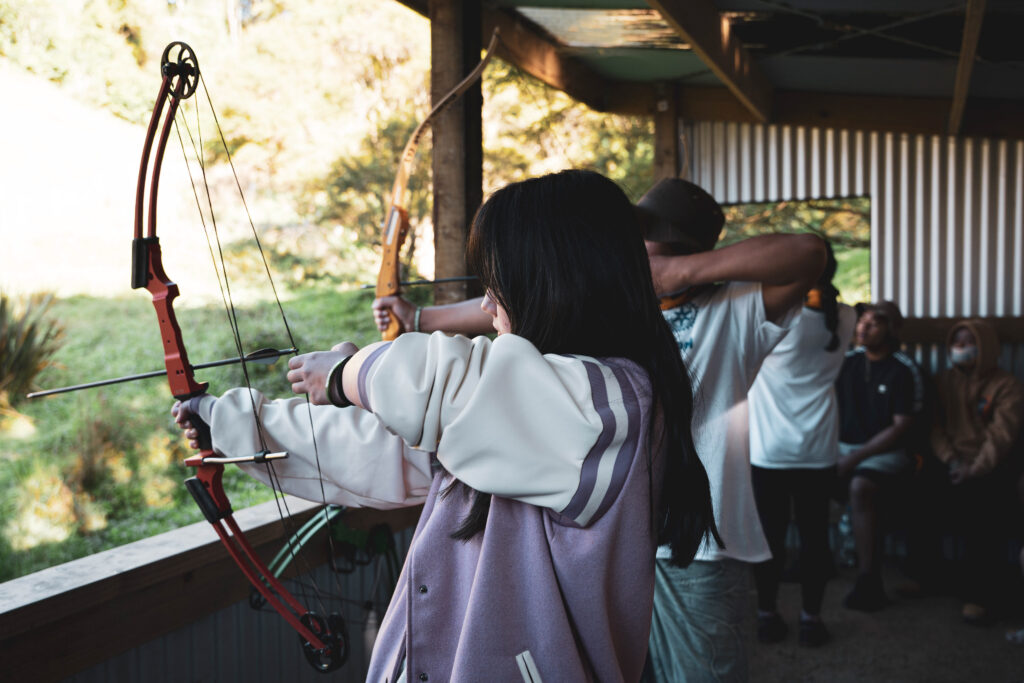
Most Auckland schools don’t have to travel far to get to Kokako Lodge, but the camp inside the Hunua Ranges feels like it is a world away. The friendly team will help you plan a camp to suit your school group, whether it’s relaxed and ‘do-it-yourself’, or jam-packed with instructor-led activities.
A wide range of activities are available at Kokako Lodge. School groups can tramp in the Ranges, build a raft to float by the famous Hunua Falls, or challenge your students on the high ropes course. Other activities include orienteering, low ropes, bush skills, a Burma trail and a glow worm trail just behind the cabins.
Kokako offers many ways to support students by building teamwork, leadership skills, resilience, confidence and their engagement with school. Camp instructors focus on students’ wellbeing. offering a fully inclusive, supportive space for students.
With 82 bunk beds in seven cabins, and extra mattresses, Kokako can sleep 100 campers, and there is a large commercial kitchen and dining hall for self-catering or caterers. There’s also plenty of peaceful outdoor space surrounded by native bush, with the Hunua Falls just a few minutes’ walk away, giving your students multiple options for bush walks.
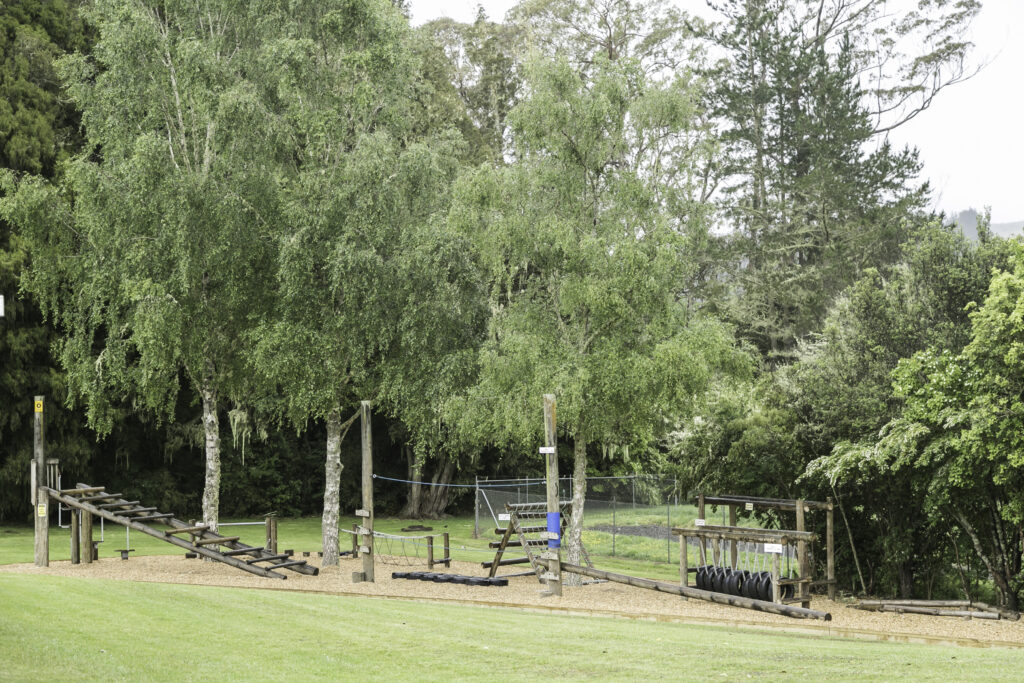
Located right next to the beautiful Hunua Falls, Hunua Falls Camp is only 50 minutes from Auckland city centre. Youthtown is excited to announce a new partnership with Hunua Falls Camp, bringing high-quality outdoor education experiences to schools and ākonga.
For over 90 years, Youthtown has supported young people across Aotearoa to grow resilience, confidence, and life skills, and this partnership extends that kaupapa into the heart of Auckland’s stunning Hunua Ranges.
Schools can now access full-day or half-day EOTC options, with custom programs for up to 90 students. Every program is designed to support the specific needs of each school, with individualised quotes provided. Youthtown’s outdoor programs are Qualworx certified, giving schools confidence that safety and quality are always front of mind.
Hunua Falls Camp sleeps up to 119 in heated cabin accommodation and features fantastic sports facilities as well as a full commercial kitchen and chapel.
More than just a day outdoors, Youthtown programs actively promote the five key competencies of the New Zealand Curriculum: thinking; managing self; using language, symbols, and texts; relating to others; and participating and contributing.
Together, Youthtown and Hunua Falls Camp provide schools with an EOTC partner that combines world-class facilities with proven youth development expertise. It’s an investment in learning, growth, and memories that lasts a lifetime.