Around 40,000 educators prepare for “mega”-strike
About 40,000 primary and secondary teachers are preparing to participate in a massive national strike on Thursday 23 October.

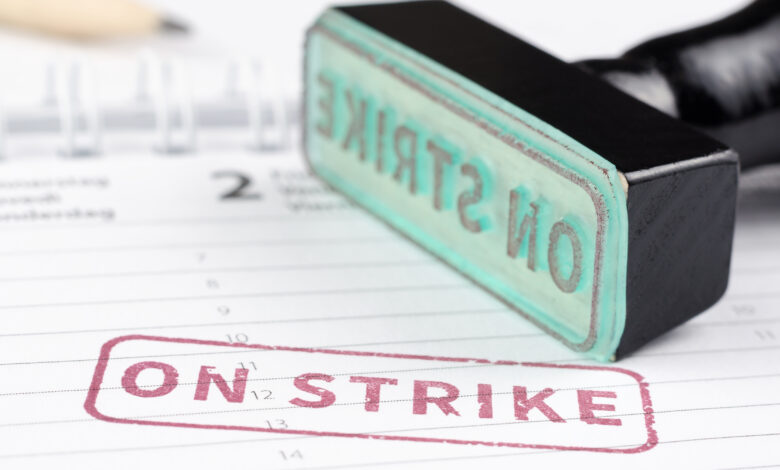
Around 40,000 educators from the primary and secondary sector will join the public service strike later this week on Thursday 23 October.
Around 100,000 people will be striking that day, including healthcare workers, making it one of the biggest strikes in New Zealand’s history.
According to the Teaching Council of Aotearoa New Zealand, there are around 150,000 registered and certified teachers in New Zealand across ECE, primary and secondary schools – this means around a quarter of all teachers across the country will be joining the planned strikes.
Read the latest print edition of School News online HERE.
Why are teachers striking?
Most of the teachers at the strikes will be represented by education unions PPTA Te Wehengarua or NZEI Te Riu Roa.
On their website, the PPTA lists pastoral needs and teacher shortages as the key issues to be addressed in the collective agreement. In their “Stand with Secondary Teachers” factsheet, the union says it wants dedicated time for pastoral care to be included in the collective agreements. The union also says that collective agreements that do not meet inflation are contributing to specialist teacher shortages.
NZEI Te Riu Roa lists having a teacher aide in every classroom, addressing the cost of living, upholding Te Tiriti, and defending quality early childhood education as part of their collective agreement demands.
Although not formally strike action, some primary principals will be disengaging from the Ministry of Education’s curriculum roadshow to highlight the lack of proposals made since bargaining began earlier this year.
The Government response
Last week, Public Service Minister Judith Collins released an open letter to the public, calling the strikes “politically motivated,” and saying industrial action is “unfair and unwarranted”. Minister of Education Erica Stanford has also told the public they should be “furious”.
Both Collins and Stanford have suggested that the unions were not bargaining in good faith.
PPTA President Chris Abercrombie has responded by stating their claims for pastoral care have been ignored and pay increases are still below current and projected rates of inflation.
Labour leader and former Minister of Education Chris Hipkins said the government “seem[s] more interested in attacking the union rather than focusing on the issues that the workers are raising.”
Some settlements reached
Meanwhile, primary principals union, The Primary Principals Collective Bargaining Union accepted their collective offer last week for a period of just over two years, after bargaining for four months. The union has 515 members; of the 85 percent who voted on the collective agreement proposal, 95 were in favour.
The offer includes a 2.5 percent pay rise this year, and a 2.1 percent rise next year.
President Mark Ellis claimed that they were able to reach a settlement by not threatening strikes.
“I think the good-faith negotiations continued because we had not threatened strike action… I believe firmly that we were at the table in constructive conversation, we had clarity of communication and, in particular, we had prioritised our priorities very carefully.”
Related School News article: More teachers join October 23 strike.