Lessons in starting over from Woodville School: “We are flying the plane while we’re rebuilding”
How Woodville School rose to the challenges of a new, first-time principal, facilities facing demotion and a school culture in need of rescue

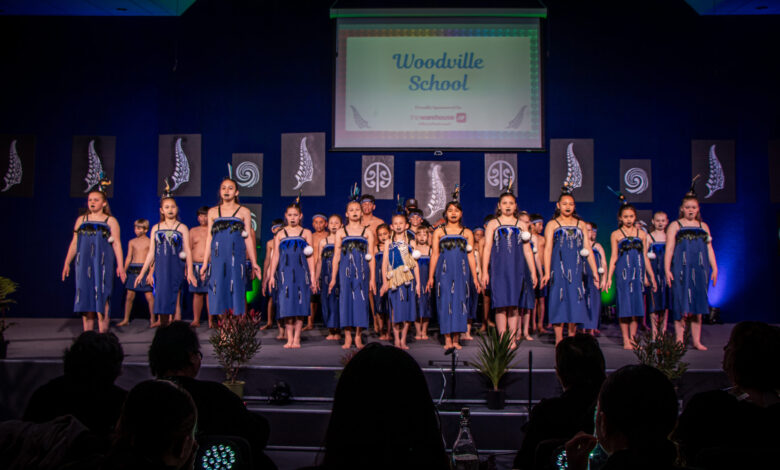
How do you rebuild a school from the ground up?
That was the question faced by Woodville School when a period of upheaval saw their heritage classroom block threatened with demolition, statutory management overhauled their operations, and a new, first-time principal took the reins to guide the school community through the whole thing.
Challenge one: A change at the top
Woodville School had enjoyed a long but largely quiet history; established in 1877, it has served as the hub of the Woodville community, and is essentially as old as the town itself.
Read the latest print edition of School News online HERE.
Recent years have brought more turbulent times for the school, however. The departure of the longstanding principal and appointment of statutory management in 2021 saw an interim principal installed; the school community was unsettled, and its future was far from assured.
This kind of situation would typically see an experienced, permanent principal brought in to steady the ship; perhaps an older, possibly unexciting appointee to guide the boat without rocking it.
Enter Wes Va’ai-Wells.
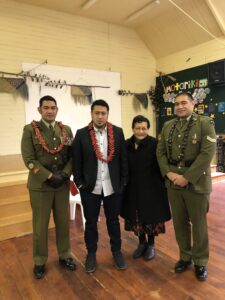
Although an experienced vice principal, this was the first top job for Va’ai-Wells. A young, city-raised Samoan man was not necessarily what everyone was expecting as the captain to see them through the storm.
Va’ai-Wells said he recognised that the board was taking a chance when they hired him, but, as Senior Syndicate leader and Year 7/8 teacher Karlene Thomson said, what they got was “a Principal who understands what the community and the kids need, focusing heavily on whānau, kindness, and connection”.
His collaborative nature has been a strength from the outset; while many might have bristled at the thought of a statutory manager standing over their shoulder, Va’ai-Wells saw it as an opportunity to learn, particularly in areas which were new to him, like legal obligations.
“It was really helpful for me, making sure everything on the legal front was covered. I still had to learn it, but having someone to soundboard off was great.”
Challenge two: The school buildings
A change of leadership always marks a significant transition in a schools’ journey, but often it’s the only major change happening at the time. For Woodville School, though, there was more to the story—the very fabric of their school was under threat.
The school’s claim to fame had always been its heritage classroom block—the oldest one still in use in New Zealand. Built in 1879 and gaining heritage listing in the 1980s, the building was iconic in the local community.
It even spawned its own ghost stories among the generations of learners who had passed through its classrooms; a shadowy figure of a nun said to occasionally ring the bell in its tower at random (though, as older and more sceptical alumni have noted, the bell only ever sounded on special occasions in later years, perhaps leading to some embellished memories about why it went off so infrequently).
However, with that heritage status came the inevitable issues; a legacy of time and missed maintenance had left the building in a state of disrepair and without an easy fix. It fell into such a poor condition the Ministry of Education considered it unsalvageable.
Realted School News story: Growing tomorrow’s environmental leaders at Stratford Primary
Initially, the Ministry said the only way the school would qualify for 5 Year Agreement (5YA) and 10 Year Property Plan (10YPP) funding was if the classroom block was decommissioned entirely.
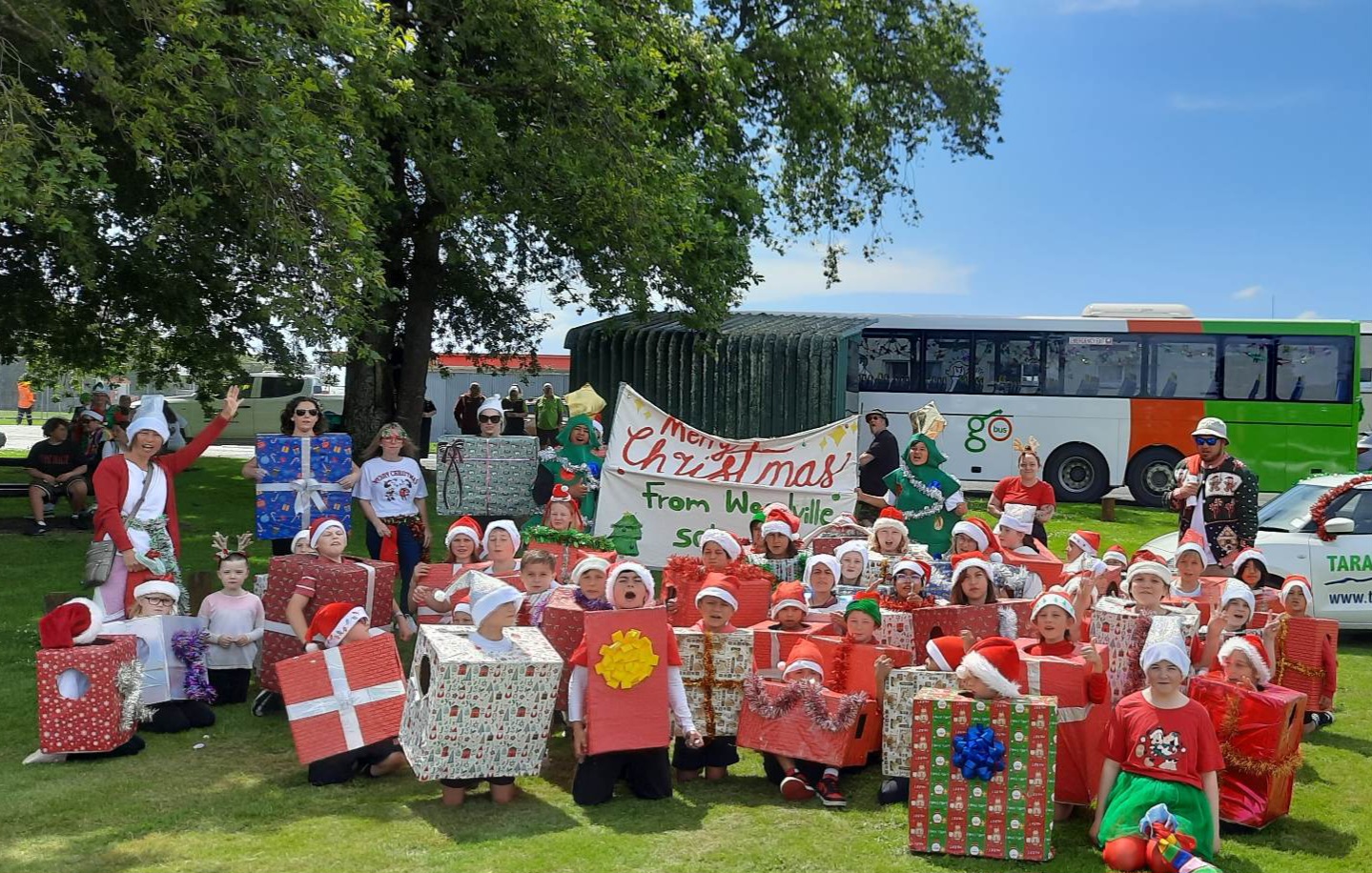
The school board found themselves between a rock and a hard place, Vai’ai-Wells said, as the building has huge sentimental value and is “a staple in the community”. But the school desperately needed the funding.
Reluctantly, the board agreed to decommission the old building.
In some respects, this was a huge inconvenience alongside the other changes the school was going through. Ironically, though, it was through the combined maelstrom that the building was saved.
The changes at the school had led to a bump in the school roll, which meant space became tight. The Ministry recognised that the old building, while not up to modern standards, provided much needed additional rooms to accommodate the growing school.
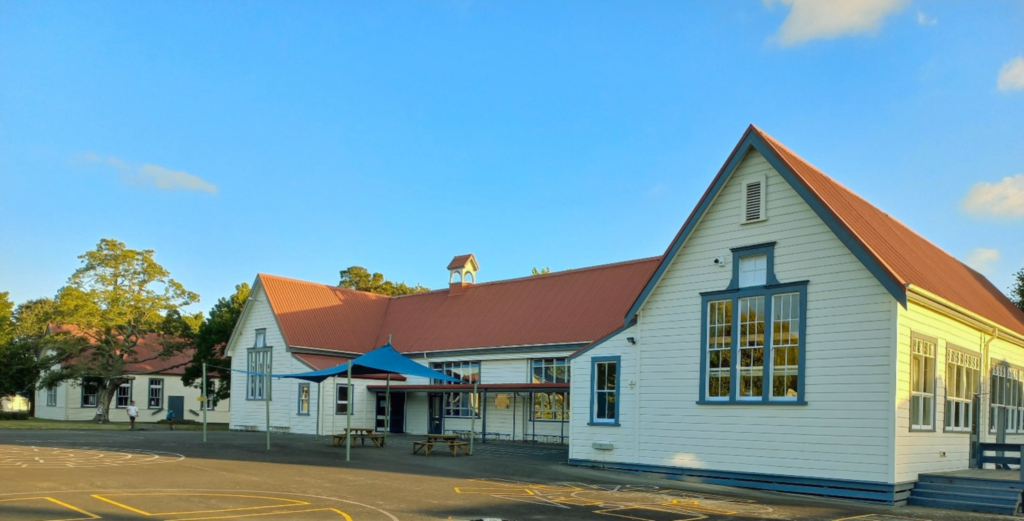
The Ministry agreed to release the funding, as well as to renovate the building; a “sheer stroke of luck”, Va’ai-Wells said.
At the same time, Woodville had started work to repair and modernise their other, newer classroom block. This had meant shifting the school’s approximately 130 students into the heritage block, the one that the Ministry was keen to see condemned.
Given that the heritage building had earned its reprieve due to the school’s growth, there was a feeling that the most sensible pathway was to focus on further enrolment growth. Va’ai-Wells, though, said he considered this to be a back-to-front approach.
“Let’s get a skeleton of a school first,” was his response, referencing the famed line from Field of Dreams, “Build it, and they will come.
“I just want to build a cool school first. And then, the community will buy in, and they’ll start sending their kids here.
“Growing the roll does bring more money, but if we don’t have good foundations it’s just going to fall over.”
Challenge three: Rebuilding culture
So, with the building plans on track, the team turned its focus to rebuilding relationships; between and among staff, ākonga, whānau and wider community.
“Staff buy-in was step number one,” said Va’ai-Wells. “Without the staff and board buy-in, it all would’ve fallen apart very quickly.
“All of the staff knew the history of the school, and that it was in this rebuild phase. The only problem was, we were flying the plane while we’re rebuilding. We’re going to hit turbulence, but we’re all going in the same direction.”
An anchor point for this was focusing on the school’s values. The existing ones were a bit dated and were no longer fit for purpose; they also weren’t being integrated into the day to day.
“They were parked,” said Va’ai-Wells, but also held the key to running smoothly again. “We wanted to instil in the kids that having values is important and it’s what kind of navigates our school life.”
Again, a gradual approach was needed, so the old values were retained as a starting point, and much attention was given to integrating them into daily practice.
The school team decided that positive reinforcement was the way forward.
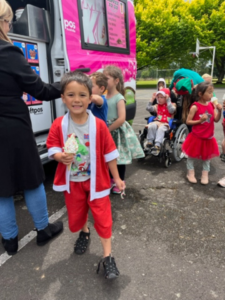
“For absolutely no reason, we would get the ice cream truck in,” Va’ai-Wells laughed. “It wasn’t that the students had hit any particular targets, but it was a way to hype up ‘Hey, you guys are following the values so well’.”
Free lunches, movie screenings, trips to the local playground and swim sessions were all used as ways to boost students’ morale and rebuild a sense of community.
“There was a nice atmosphere, the kids felt seen and the families felt like the kids were on cloud nine with all the positivity going around.”
Improving the environment for the students also set the stage for the next component; getting whānau on board. Posting lots of pictures to the school’s social media was a great strategy for this, as it provided an easy way to show the community just how much fun the students were having at school.
What has followed has been an extensive overhaul of all corners of the school’s culture, at pace, but mindful of not overwhelming. That said, the extent of the changes is clear when School News asks staff and board members what stands out to them.
Related School News story: Leading real-life learning at Ormiston Junior College
For board member Andrew Bolton, “one of the biggest changes I noticed is in sport; Woodville School has gone from five years ago not having enough players to enter teams in most of the bush sport competitions.
“Now we have teams in every age and sport—we are getting more competitive with the largest schools.”
As well as sports participation, he praised how the students have “less screen time. They are learning to write and brainstorm with pens and paper.”
For board member Chris Ellmers, it shows up in “things like the new school uniform, which is a big change for us after so many years. “It feels like part of a wider move to modernise while still respecting the school’s history.
“What stands out most to me though is the stronger focus on diversity and inclusiveness. There’s been a real effort to better support students with both visible and non-visible disabilities, and it feels genuine, like it’s being lived out, not just talked about.”
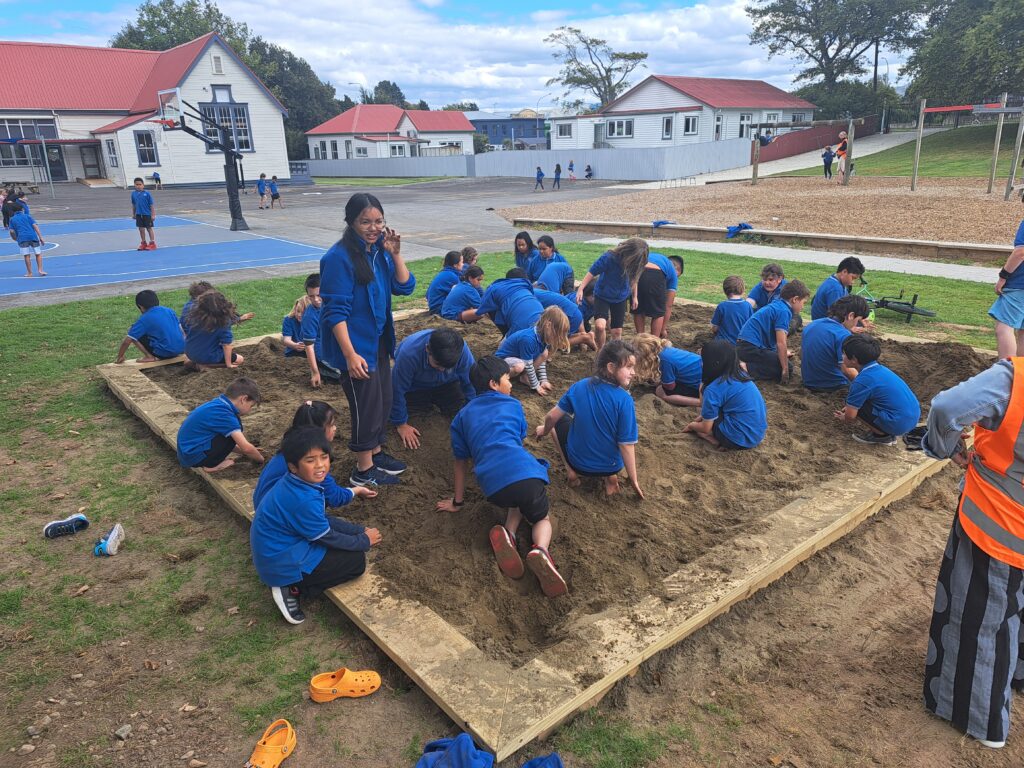
Teacher Karlene Thomson agreed that “the approach to student wellbeing has created a deeply inclusive space. At Woodville, no one is singled out as “special” or separate—everyone is simply included and accepted for exactly who they are. Because students feel safe and valued, they genuinely love being at school.”
Looking to the future
This love and enthusiasm for the school comes up time and time again when talking to the staff and board of Woodville; it’s clear that the work they have done has not been to make their own lives easier, but to do the best they can for the tamariki and whānau in their care.
Va’ai-Wells said his outlook for the students is closely linked to his Samoan culture, with its emphasis on service to the community.
“It’s growing our kids to be thinkers. Ideally, we’re getting children to learn how to critically think and analyse what’s in front of them, and hopefully contribute to make the world a better place for the next generation.
“I hope that’s something we can impart to the generations that come through here.”